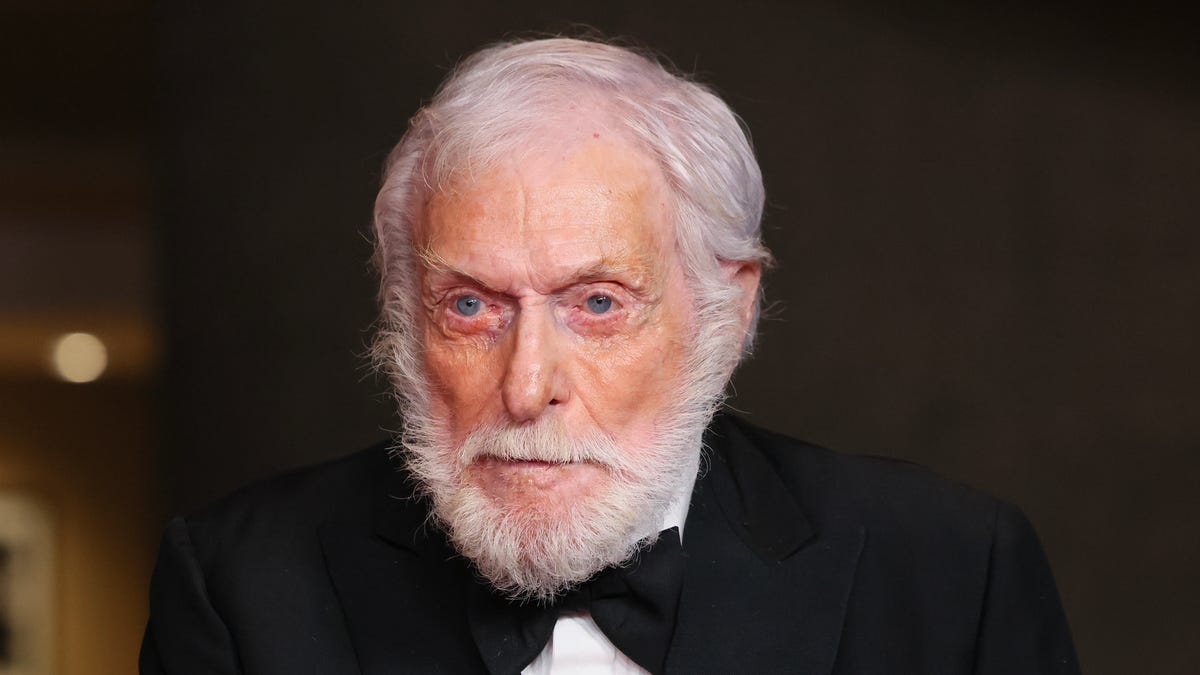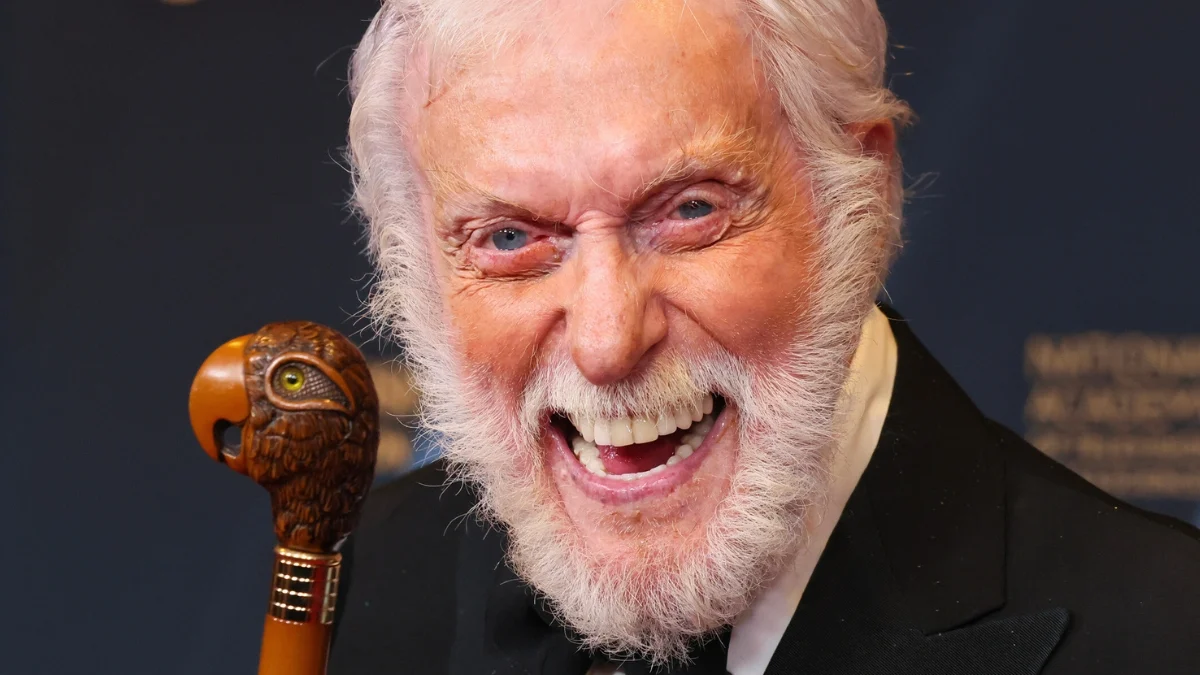
Actor Dick Van Dyke at the Daytime Emmys Awards in 2024. (Rodin Eckenroth/Stringer/Getty Images)
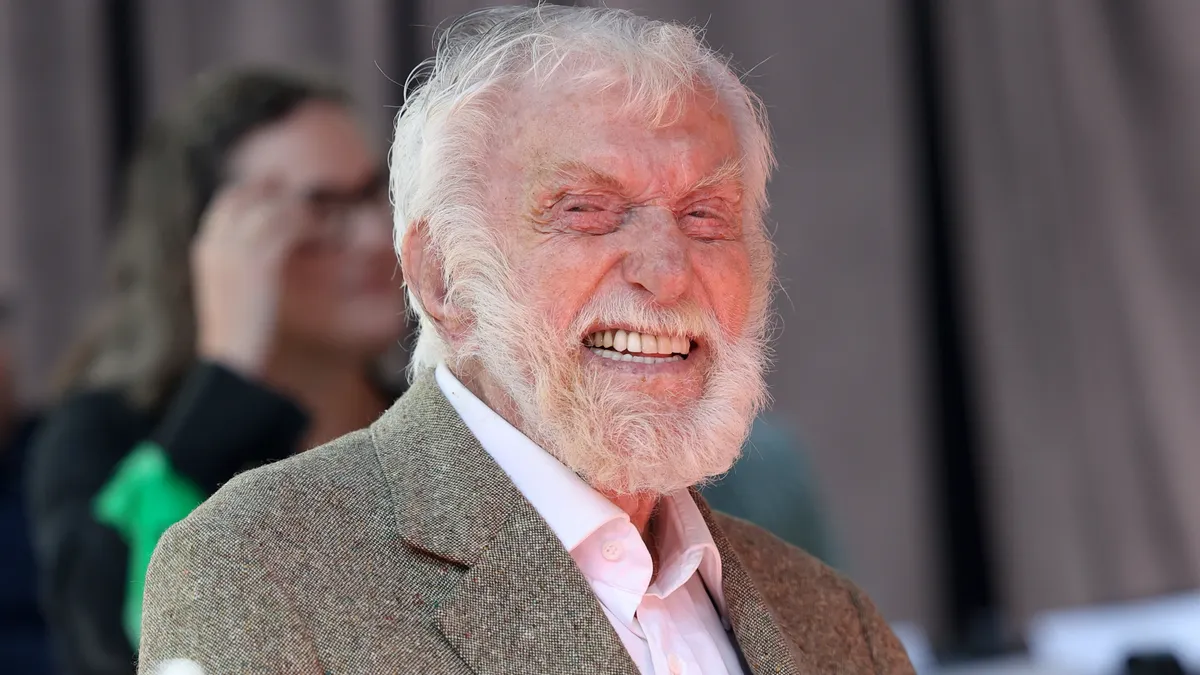
At the close of 2025, the beloved actor Dick Van Dyke – famous for tap dancing with a 'twinkle in his eye' – turned 100 years old.On the eve of his birthday, he published a book called 100 Rules for Living to 100: An Optimist's Guide to a Happy Life."I never wake up in a bad mood," he told People, ahead of the book's publishing that year.That's an impressive claim for so many years on this planet, and while it might seem far-fetched, that upbeat attitude could be an important factor in Van Dyke's extreme longevity.Writing for The Conversation in 2025, health scientist Jolanta Burke explained that emerging research really does suggest that optimists like Van Dyke have a higher chance of living longer."Numerous studies have shown that keeping stress levels low and maintaining a positive, optimistic outlook are correlated with longevity," she noted.There is obviously no set of rules that can guarantee a ticket to the centenarian life, but there are factors that we can somewhat control.Optimism may be one of them.Burke points to a long-term study on novice nuns that began in the 1930s. In their youth, participants were asked to write down the story of their lives. Six decades later, researchers found that those who expressed more positive emotion lived an average of ten years longer.Dick Van Dyke credits his remarkable longevity to his positive outlook and never getting angry. (Scott Dudelson/Stringer/Getty Images)More recently, a 2019 study from the United Kingdom found that optimism is specifically related to a longer life span, up to 15 percent longer on average.Among two large cohorts, those who were more optimistic had greater odds of achieving "exceptional longevity," the researchers reported. That means they lived to 85 or beyond.But why is optimism apparently so good for longevity?Scientists aren't yet sure, but they have a few ideas about why a positive state of mind may bestow health.Positivity is often linked to happiness, a sense of purpose, and satisfying relationships, all of which are associated with longer lifespans.The world's longest study on happiness has been running since 1938, and after nearly nine decades, hundreds of peer-reviewed papers, and countless questionnaires, medical check-ups, and in-person interviews, a clear pattern has emerged.