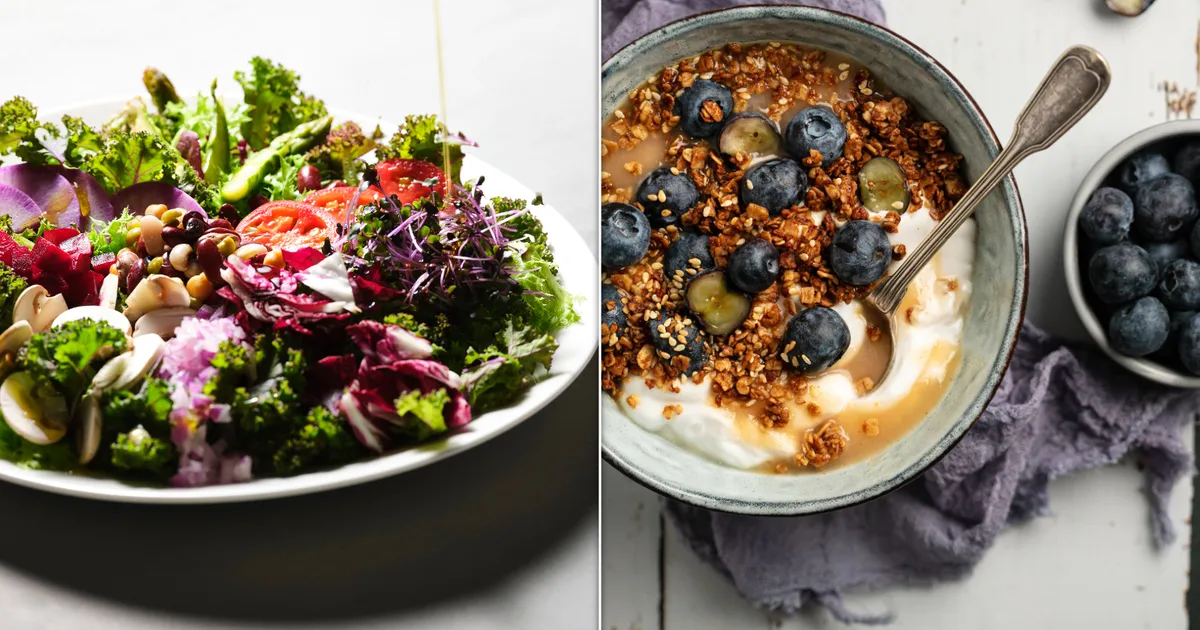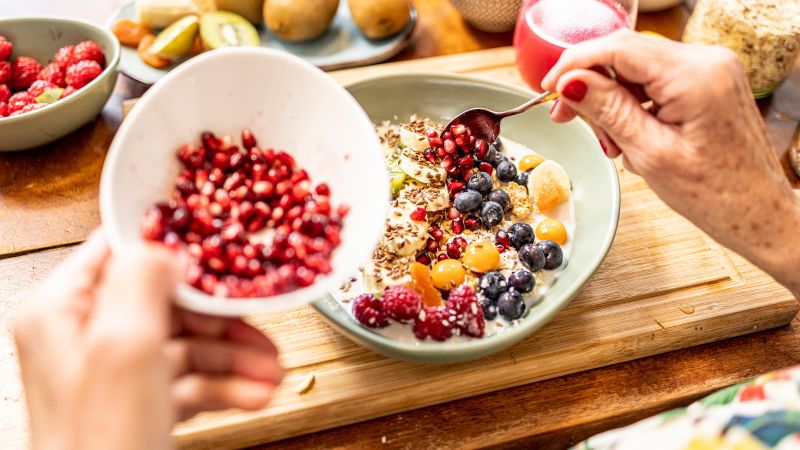
Two scientists said tests they had carried out showed people should get the kettle on12:51, 06 Jul 2026Even people at higher risks of dementia can benefit from some key diet changes to stave off the killer condition, research has showed. Writing on the UK Conversation academic website two scientists said tests they had carried out showed what people eat is a significant factor.In the UK it’s a growing problem - with around 982,000 people diagnosed dementia - and this is projected to rise to 1.4 million in 2040, the Alzheimer’s Society has said. Researcher Anja Mrhar and Adrián Carballo Casla from the Karolinska Institutet wrote that they followed nearly 1,900 adults aged 60 and older in Sweden for up to 15 years. None had dementia at the start. During that time, 240 developed dementia.The study looked at diets and also if healthier eating patterns were linked to lower dementia risk among people with different levels of blood markers related to Alzheimer’s disease, nerve cell damage and biological stress in the brain.The pair said: “We found that people with healthier dietary patterns generally had a lower risk of dementia. Importantly, this pattern was also seen among people whose blood markers suggested higher biological risk, including Alzheimer’s-related changes.“Rather than focusing on single foods or nutrients, we studied overall dietary patterns. This is useful because people eat combinations of foods, rather than isolated nutrients. Previous work from our group has also linked diet quality with blood markers related to Alzheimer’s disease in cognitively healthy older adults.“We examined three ways of describing diet quality: how closely people followed a Mediterranean-style diet, how closely their diet matched general healthy eating guidelines, and how likely their diet was to promote inflammation in the body. This allowed us to ask whether different aspects of diet quality were more relevant for people with different biological profiles.”They found that inflammatory diet choices were the most significant factor - and if people concentrated on food which benefited this issue, they had a 30 per cent lower relative risk of dementia.Lower-inflammatory dietThe researchers said that a diet aiming to reduce inflammation: “Generally means eating more foods such as vegetables, fruits, whole grains, legumes, tea and coffee, and fewer foods such as red and processed meat, refined grains and sugary drinks. Similar work has linked lower dietary inflammatory potential with lower dementia risk in older adults with cardiometabolic diseases, such as type 2 diabetes, heart disease or stroke.”Explaining why inflammation impacts dementia they said: ”Inflammation is part of the body’s normal defence system. It helps us respond to infection and injury. The concern is chronic, low-grade inflammation that remains active for years.“Scientists are increasingly interested in how this kind of long-term inflammation may contribute to brain ageing and dementia. It may affect the brain directly, through immune activity around brain cells, and indirectly, through blood vessels, insulin resistance and heart health.”In terms of diet they said a Mediterranean-style diet and a healthy diet based on general nutrition guidelines were more strongly linked to lower dementia risk among people with lower biomarker levels.They added: “Even so, these diets may still be relevant for people at higher biological risk. The results suggest that different aspects of diet quality may operate in different ways, depending on a person’s biological profile.Article continues below“Our study had several strengths. We used repeated information on diet, followed people for many years, identified dementia cases carefully, and compared several dietary patterns in the same group of older adults.“The message should be modest: a healthy diet cannot erase dementia risk. Age, genes, cardiovascular health, social conditions and chance all play a part. But our findings suggest that diet may still be relevant for brain health even when early biological signs linked to higher risk are already present. The next task is to identify which foods and nutrients are driving these associations, so future advice on dementia prevention can become more precise and more useful.”To read the full article click here.
Scientists say 6 foods help avoid dementia including 2 hot drinks
Two scientists said tests they had carried out showed people should get the kettle on
659 words~3 min read