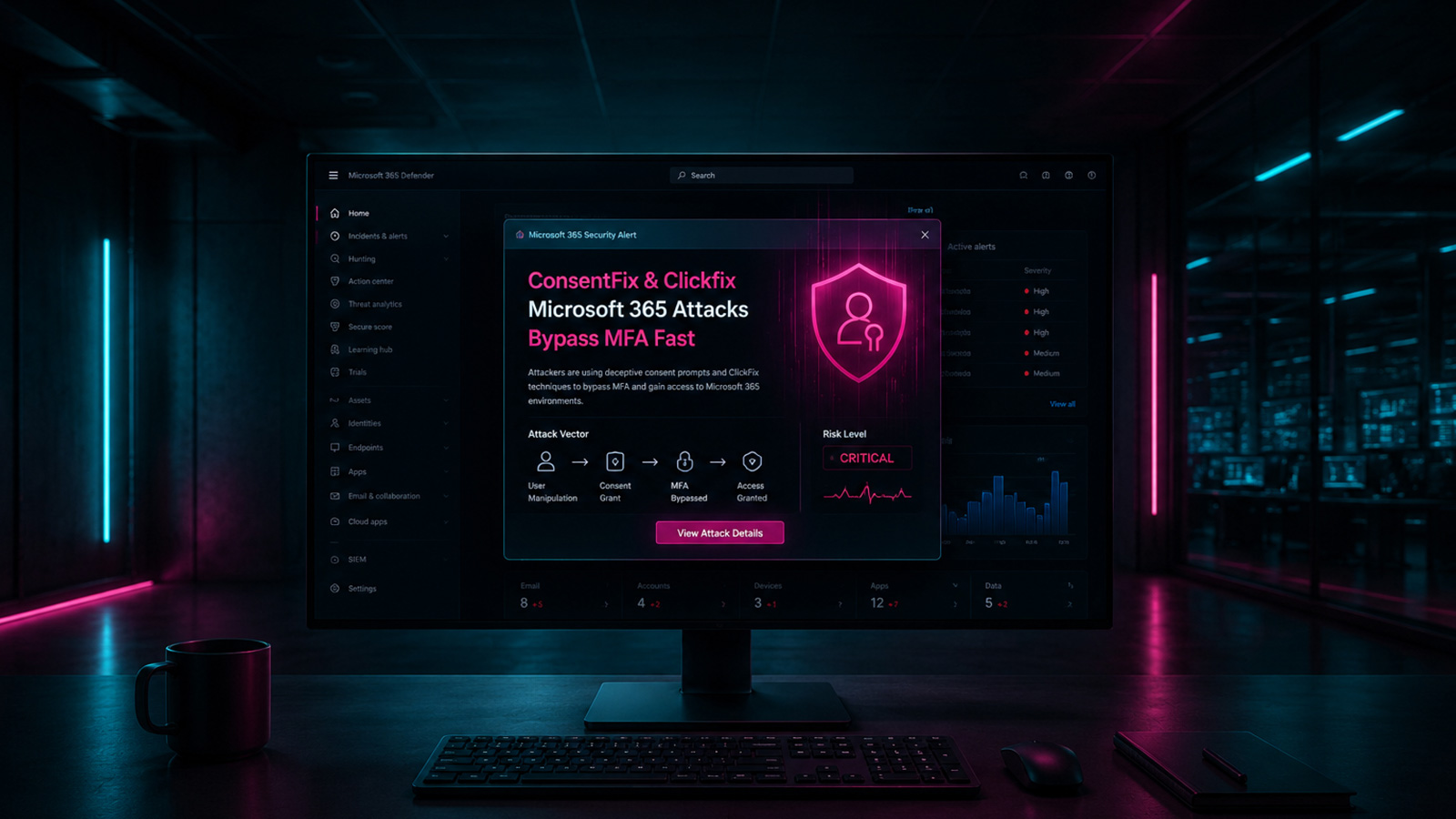
You set up two-factor authentication on every account. You use strong, unique passwords. You feel safe. Then one morning, you discover someone accessed your email, your cloud storage, and your messaging apps -- without ever triggering a single login alert. No password was cracked. No verification code was intercepted. The attacker simply stole a tiny file from your browser and walked right in.
This is session hijacking through cookie theft, and it is now the fastest-growing identity attack in 2026. According to cybersecurity firm SpyCloud, infostealer malware infections grew 58% in the past year, with over 2.1 billion stolen cookie records appearing on underground marketplaces. Google's Threat Analysis Group reported that session token theft now accounts for more account takeovers than traditional phishing. The threat is real, it is growing, and most people have never heard of it.
What Is Session Hijacking and Why It Matters
When you log into a website or app, the server creates a session token -- a small piece of data stored as a cookie in your browser. This token tells the server, "This user already proved their identity." Every request you make after login carries this cookie automatically. The server trusts it without asking for your password or MFA code again.