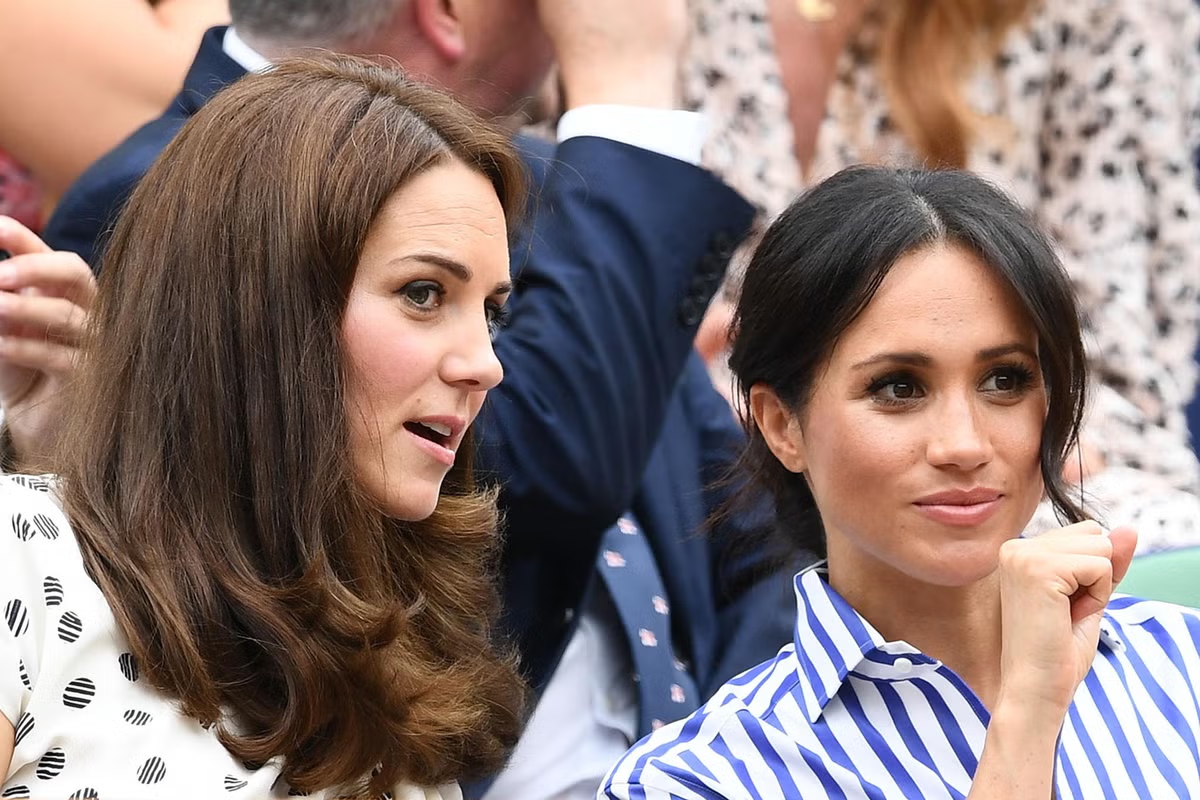
Anne Boleyn vs Katherine of Aragon. Diana vs Camilla. Kate vs Meghan. Throughout history, royal women have been pitted against each other. Pinioned in the public eye, they find themselves pressed into service to tell reductive stories about all women, prosecute culture wars and create rifts. Their misuse infects wider attitudes. They become caricatures, demonised or celebrated for impossible perfection.
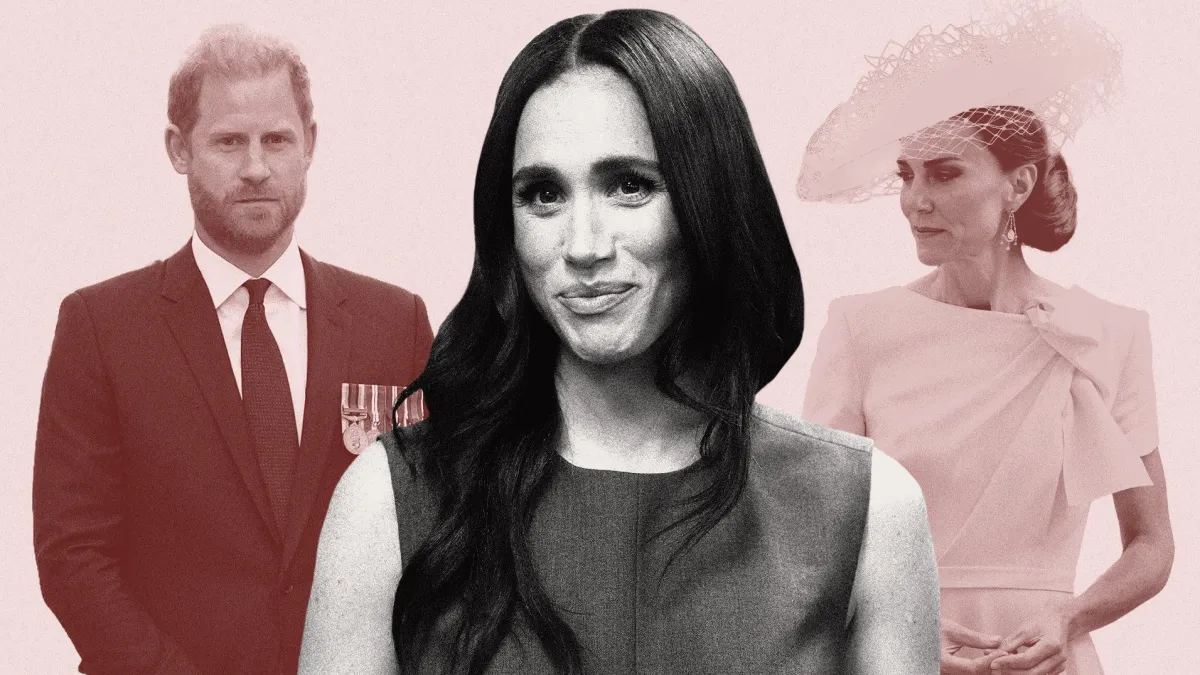
Such contests can be real or confected, comparisons natural or forced. Anne Boleyn, soon after her death the subject of duelling biographies by combatants on either side of one of the greatest culture wars of all, the Reformation, is even now defined in opposition to Henry VIII’s other wives. Meanwhile Elizabeth I remains locked in combat with Mary, Queen of Scots; Diana still tangles with Camilla; and every female royal of modern times is measured against the Elizabeths or Victoria and, invariably, found wanting. Now, cartoonish versions of Meghan and Kate are slugging it out, each attached to projected value sets – Meghan progressive and liberal, Kate small-c conservative and traditional.
Shorts
History, of course, is in eternal flux, revised when new information comes to light and according to the preoccupations of each era. I wrote my new book, Divide and Rule, because despite these revisions, there is a startling constant: women are routinely marginalised, except for those unlucky enough to be born royal or marry into royalty, who acquire disproportionate influence. My book looks behind the distorted images of these royals in search of the more nuanced, and compelling, truth.