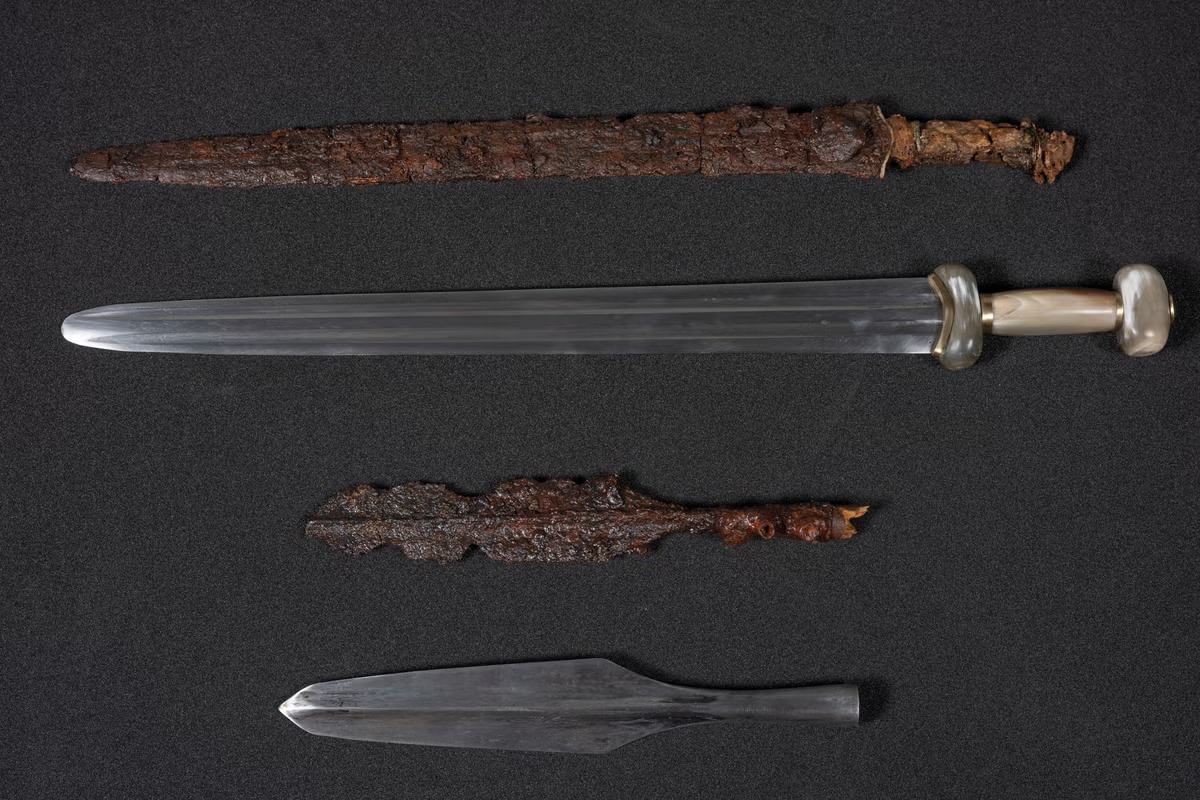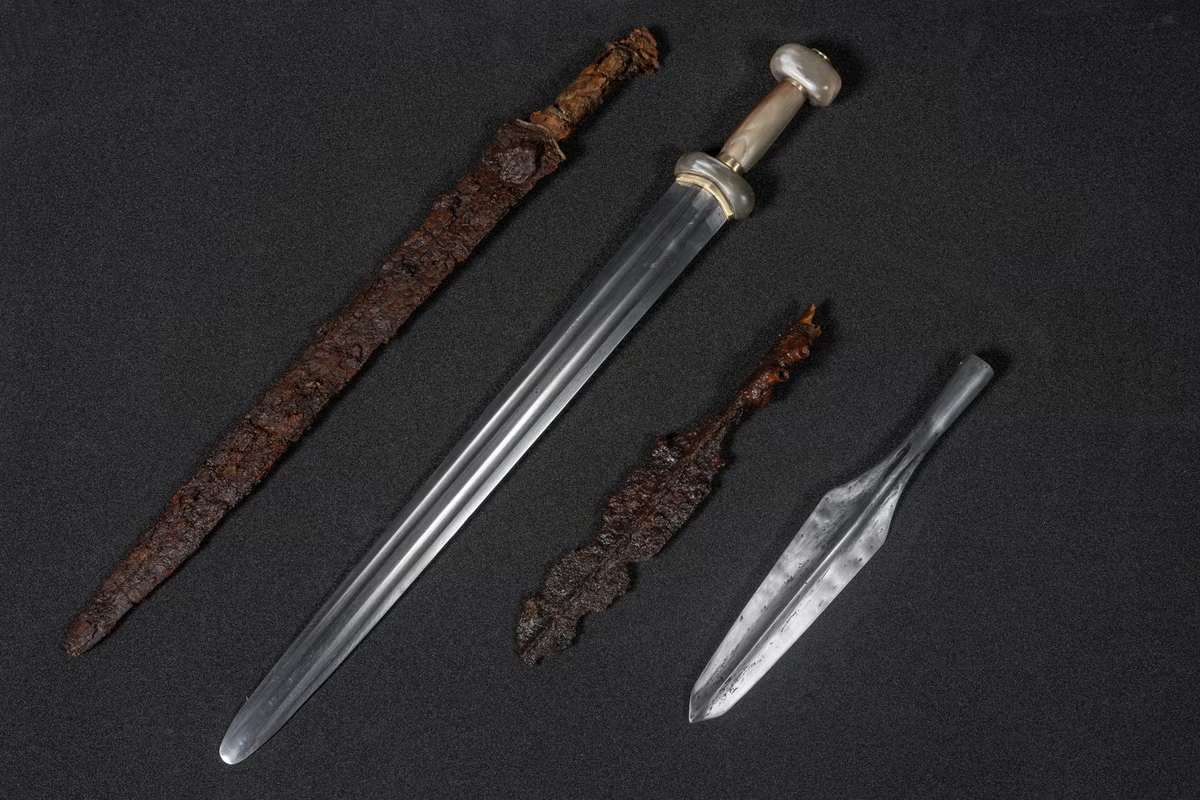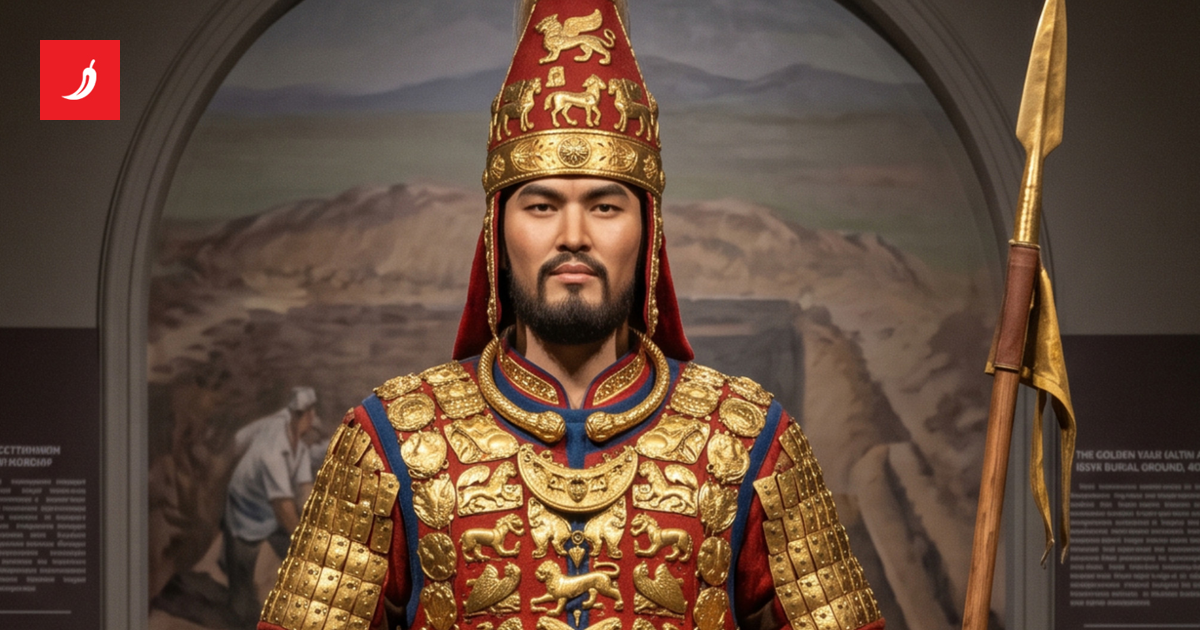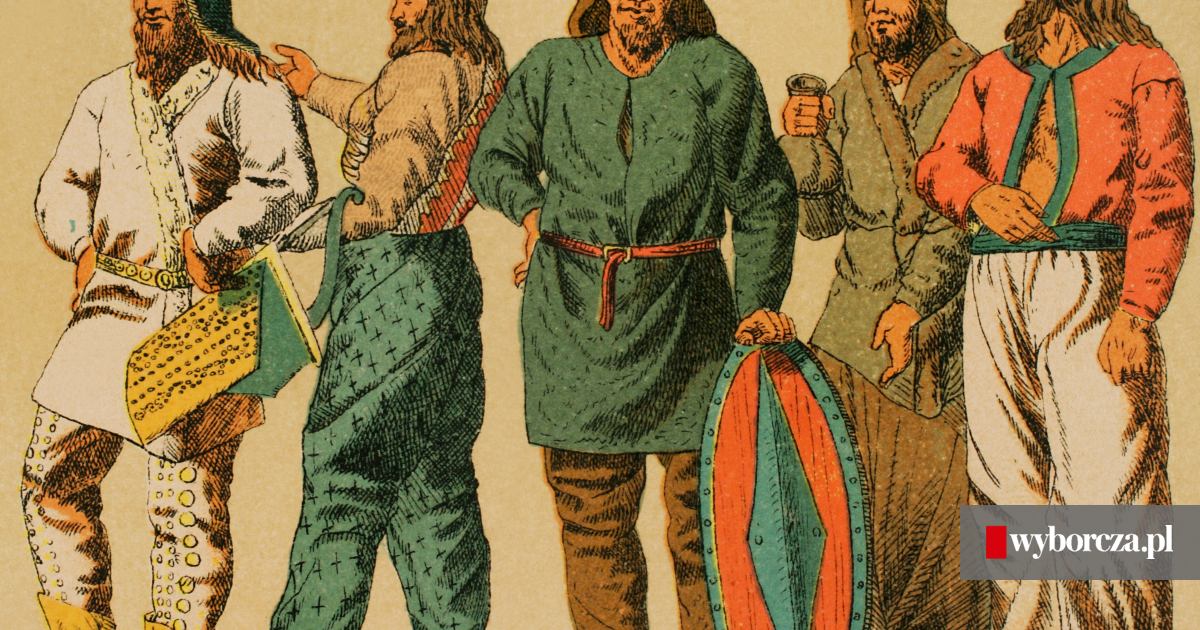
Nomadic warriors called the Scythians roamed the Eurasian Steppe on horseback during the Iron Age. An elite class held the reins of Scythian power, their elevated status celebrated in death through rich burials. Among the most famous of these elite individuals is “Golden Man,” whose entombment contained iron weapons, bronze artifacts, a silver bowl and more than 4,000 gold ornaments.
Now, genetic analysis shows for the first time that upper-class Scythians such as the Golden Man inherited their lofty status and shared power with their relatives, creating a level of social stratification that was absent in this region during the earlier Bronze Age.
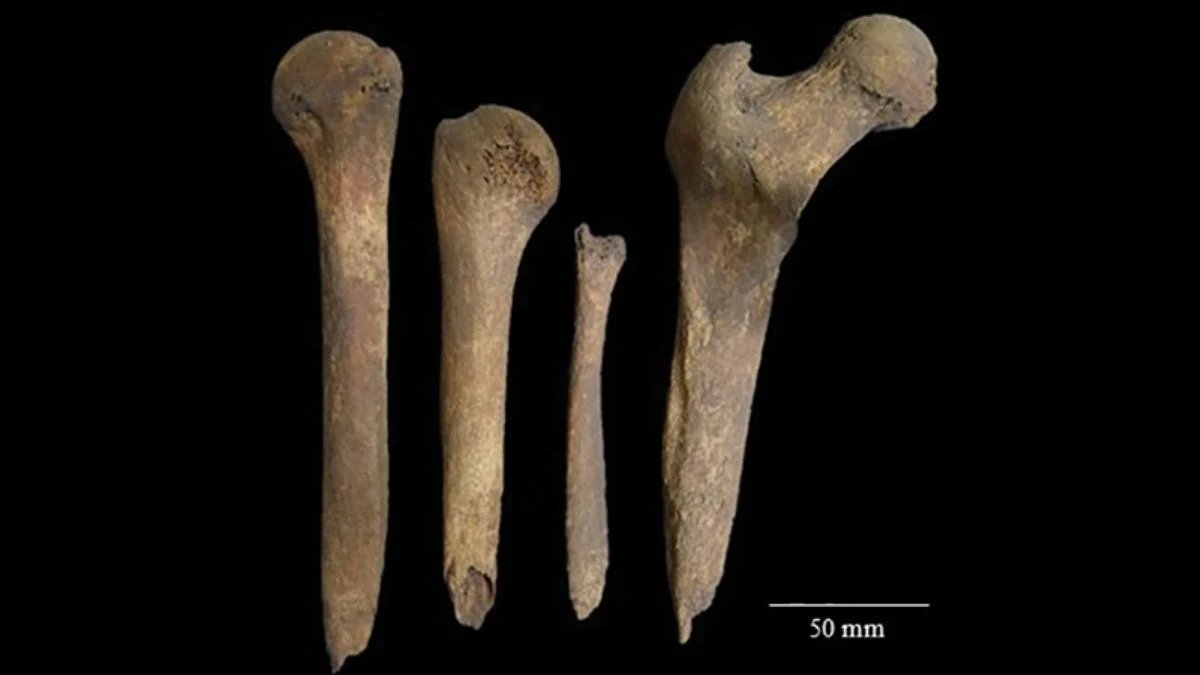
By comparing the DNA of dozens of individuals from multiple burial sites, scientists discovered family connections between Scythian elites, even among groups that lived far apart. These ties shaped emerging inequality at this time in the Scythians’ history, and the findings provide the first evidence that Scythian elites were related to each other, researchers reported Friday in the journal Science Advances.
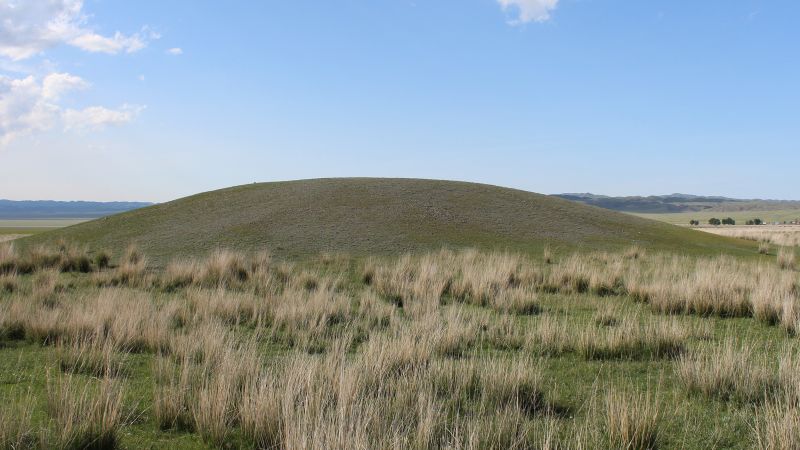
Genetic analysis also resolved longstanding questions about the Golden Man, whose Scythian burial mound, called a kurgan, dates back to around 400 BC to 300 BC and was excavated in 1969 at a site in Kazakhstan.