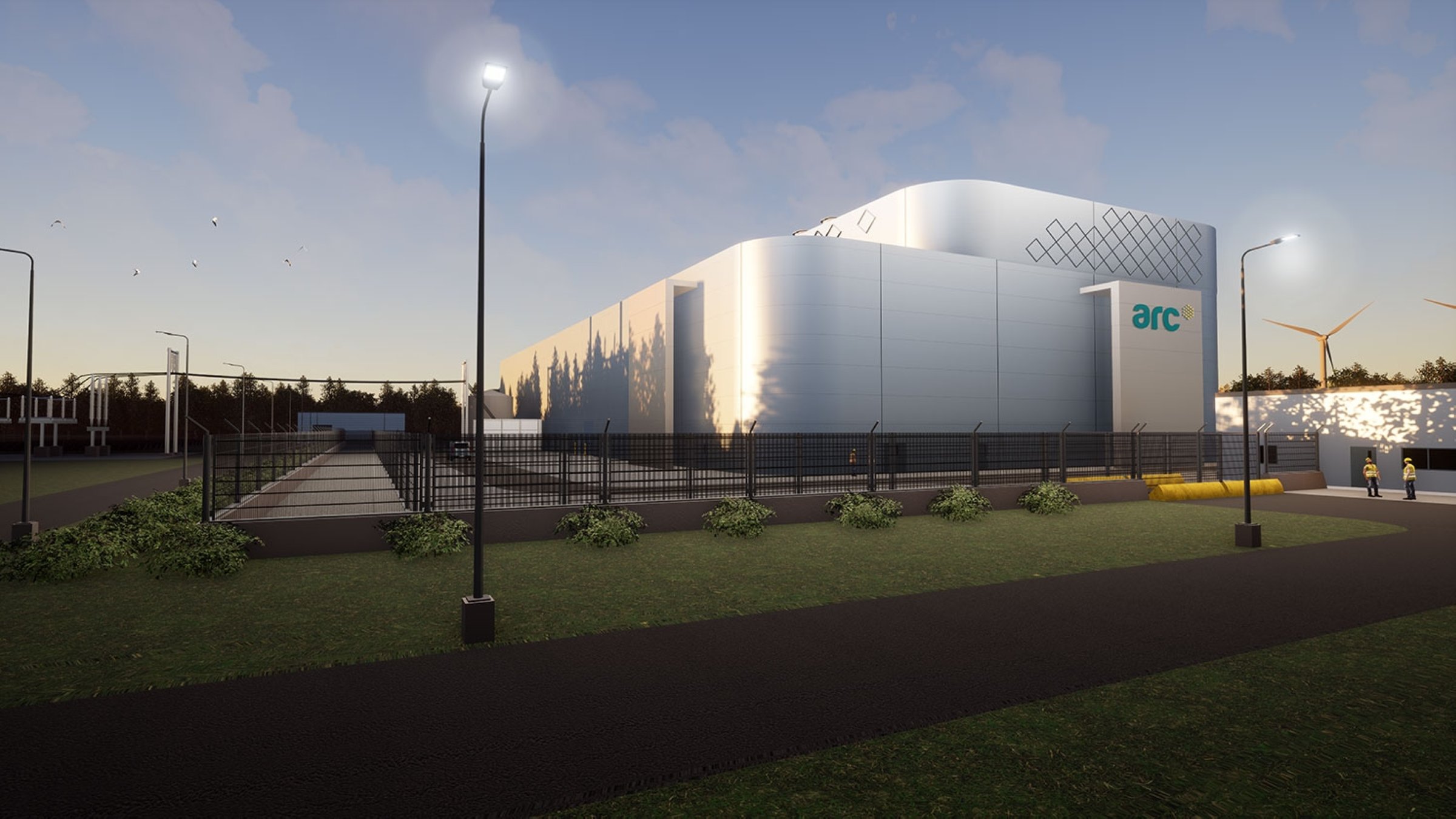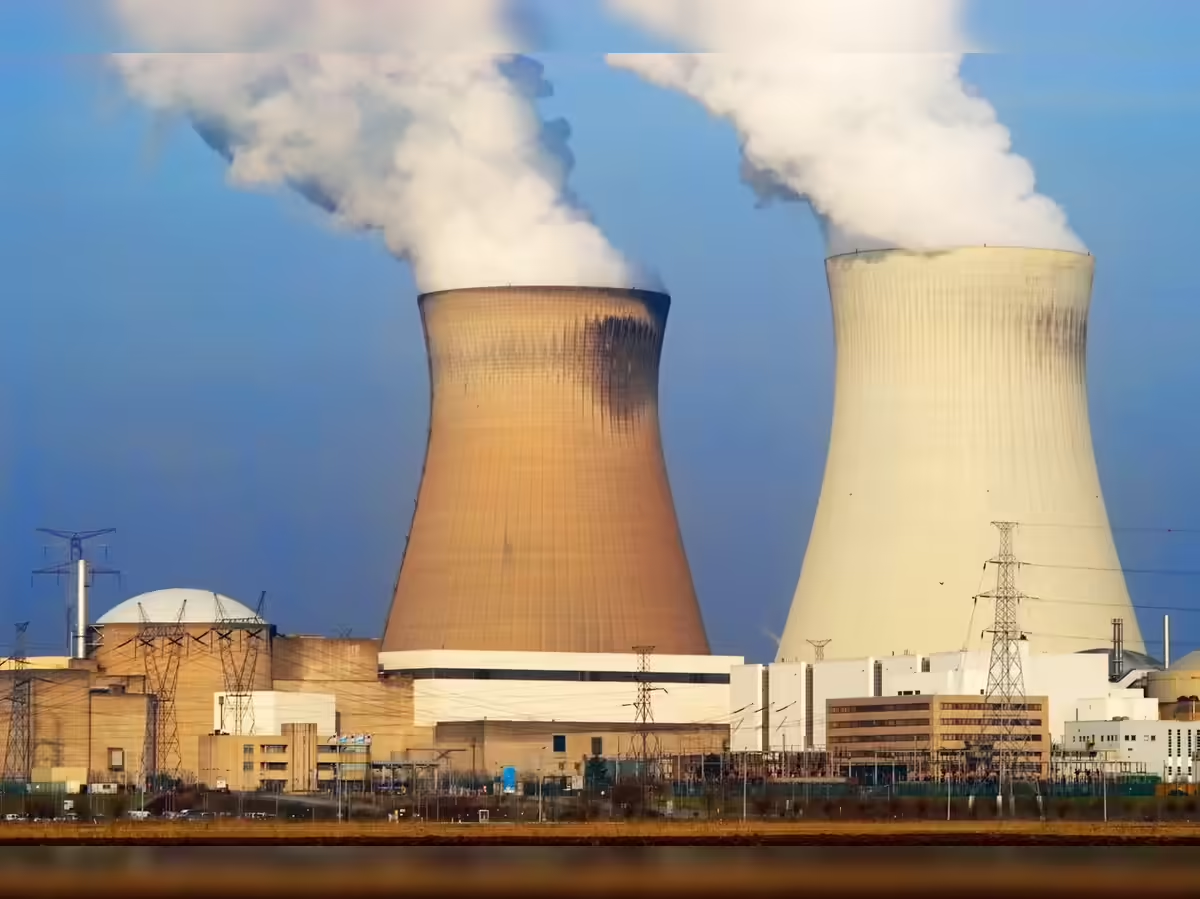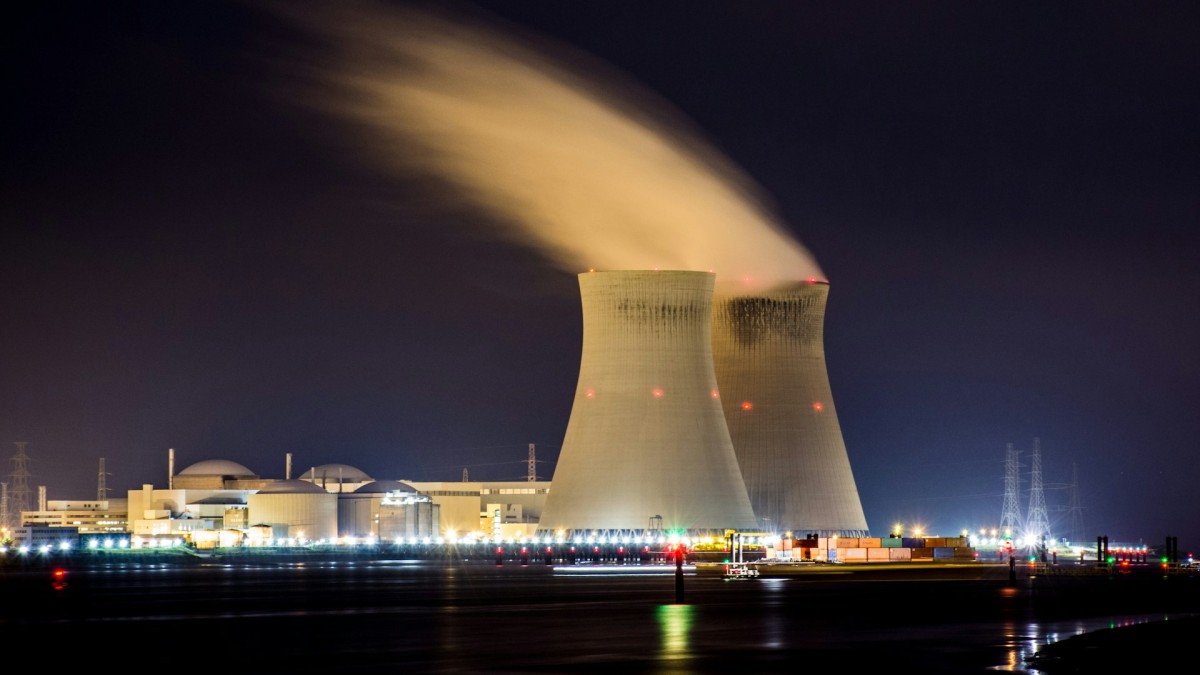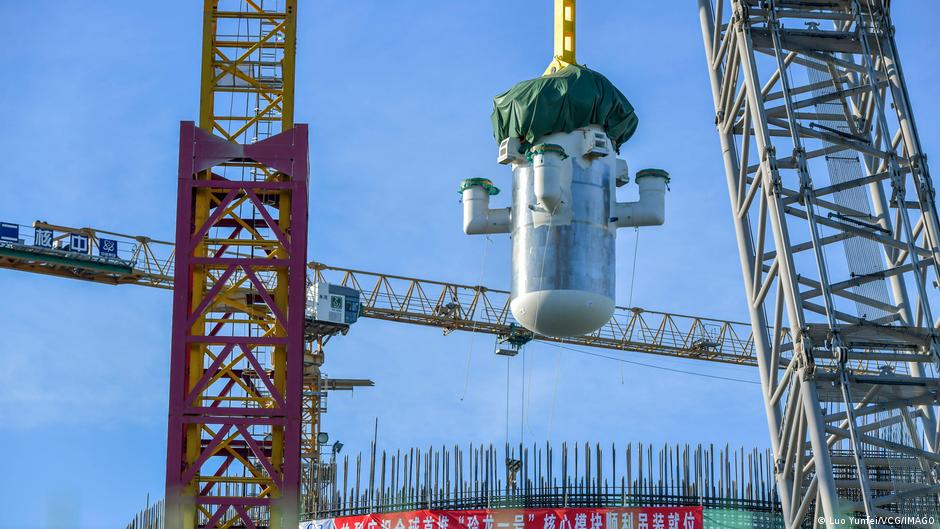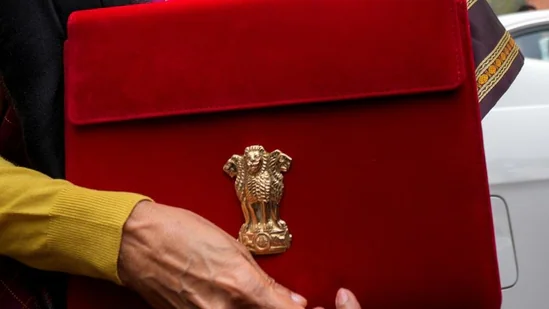
In Union Budget 2025, a Nuclear Energy Mission was launched with an allocation of ₹20,000 crore for research and development (R&D) in small modular reactors (SMRs) that would be capable of resolving many of India’s energy dilemmas and contributing to its energy transition. However, general comprehension of India’s strategy regarding the development and deployment of SMRs is limited. This brief identifies India’s needs for SMRs, analyses the challenges associated with their deployment in the country, and explores prospects for international collaboration.Union Budget (PTI File)In the global nuclear energy sector, small modular reactors (SMRs) are seen as one of the most promising technologies, for many reasons. They have a power capacity of up to 300 megawatts electrical (MWe) per unit, approximately one-third of the generating capacity of conventional reactors. Owing to their modular design, they can be assembled in factories and then transported to installation sites, ensuring reduced construction times and costs. In the long term, this modularity will allow for economies of serial production and scaled deployment as energy demand increases. SMRs occupy less space, resulting in a smaller exclusion zone of approximately 0.5 kilometres around each, compared to the 1–1.5-kilometre zones required for traditional nuclear power plants. This increases flexibility in site selection and reduces land procurement issues and associated social costs.SMRs can be used to supply power to remote locations, as well as to areas with small-scale grids that are unable to accommodate excess capacity. They provide a reliable and continuous supply of power, unlike renewable energy sources, such as wind or solar. Therefore, they can be integrated with renewable energy to provide a base-load capacity for industrial decarbonisation. While traditional reactors require refuelling every one to two years, SMRs are refuelled after three to seven years.The paper can be accessed here. This paper is authored by Leyla Turayanova, ORF.
Big aspirations for small modular reactor
This paper is authored by Leyla Turayanova, ORF.
302 words~1 min read