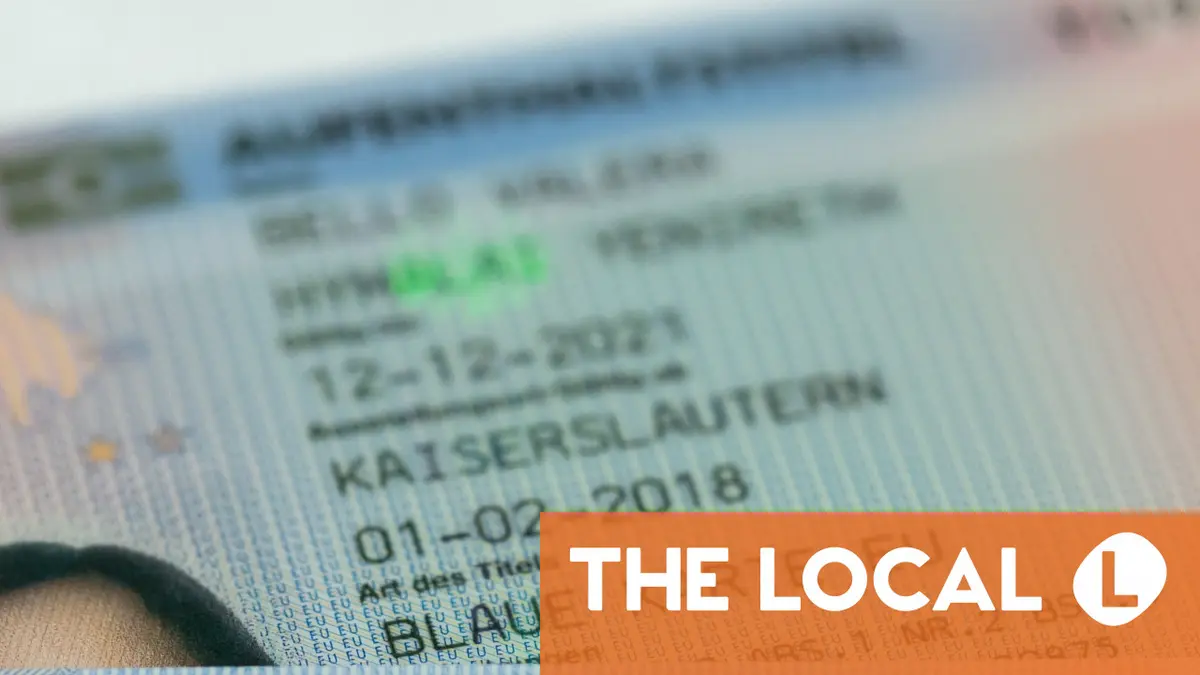
A German settlement permit gives eligible foreign nationals the right to live in Germany permanently without renewing their residence permit. However, it is different from German citizenship and comes with its own set of rights, benefits and conditions. Here is a closer look at some of the key questions applicants often have.What is the European settlement permit?In addition to Germany's standard settlement permit (Niederlassungserlaubnis), eligible residents can also apply for a European settlement permit, officially known as the Erlaubnis zum Daueraufenthalt-EU.The permit allows holders to live, work or study in other European Union countries, subject to the immigration rules of those countries. It does not apply to Denmark or Ireland.Applicants must meet the same eligibility requirements as those applying for Germany's permanent residence permit and specifically request the European settlement permit, as it is not issued automatically.What residence document will you receive?Successful applicants receive an electronic residence permit card, known as the eAT (elektronischer Aufenthaltstitel).The card contains the holder's photograph, permit type, residence status, any applicable conditions, the validity period where relevant, and a biometric chip containing personal data such as fingerprints.What are the benefits?A German settlement permit offers several long-term advantages, including:The right to live permanently in GermanyNo work restrictionsEasier family reunificationA pathway to German citizenshipAccess to social benefits, subject to applicable rulesIs it the same as German citizenship?No. A settlement permit allows a person to live in Germany indefinitely but does not make them a German citizen.Permanent residents do not receive a German passport and cannot vote in federal elections or stand for public office. Citizenship requires a separate application and approval process.Can you qualify without a B1 German certificate?In some cases, yes. Applicants may not need to provide a B1-level German language certificate if they have successfully completed an integration course or were never required to attend one, in which case A1-level German may be sufficient.Exemptions may also apply to people who completed school or vocational training in Germany, attended a recognised German school abroad with B1-level instruction, or have a medically certified physical, mental or psychological condition that waives the language requirement.In addition, people who obtained a residence permit before January 1, 2005, may qualify with A1-level German under applicable rules.Does a settlement permit expire?Germany's settlement permit is issued without a fixed end date, meaning holders do not need to renew it.However, authorities can revoke the permit in certain circumstances, including if the holder later obtains permanent residence in another EU country or if it is determined that the permit was granted based on false information.
Germany settlement permit: What it is, benefits and how it differs from citizenship - The Economic Times
Germany offers a permanent settlement permit, distinct from citizenship, granting indefinite residency and work rights. An enhanced European version allows living and working in other EU nations, excluding Denmark and Ireland. While generally requiring B1 German, exceptions exist for integration course graduates or those with specific educational backgrounds. This permit, issued on an electronic card, is typically permanent but can be revoked under certain conditions.
420 words~2 min read