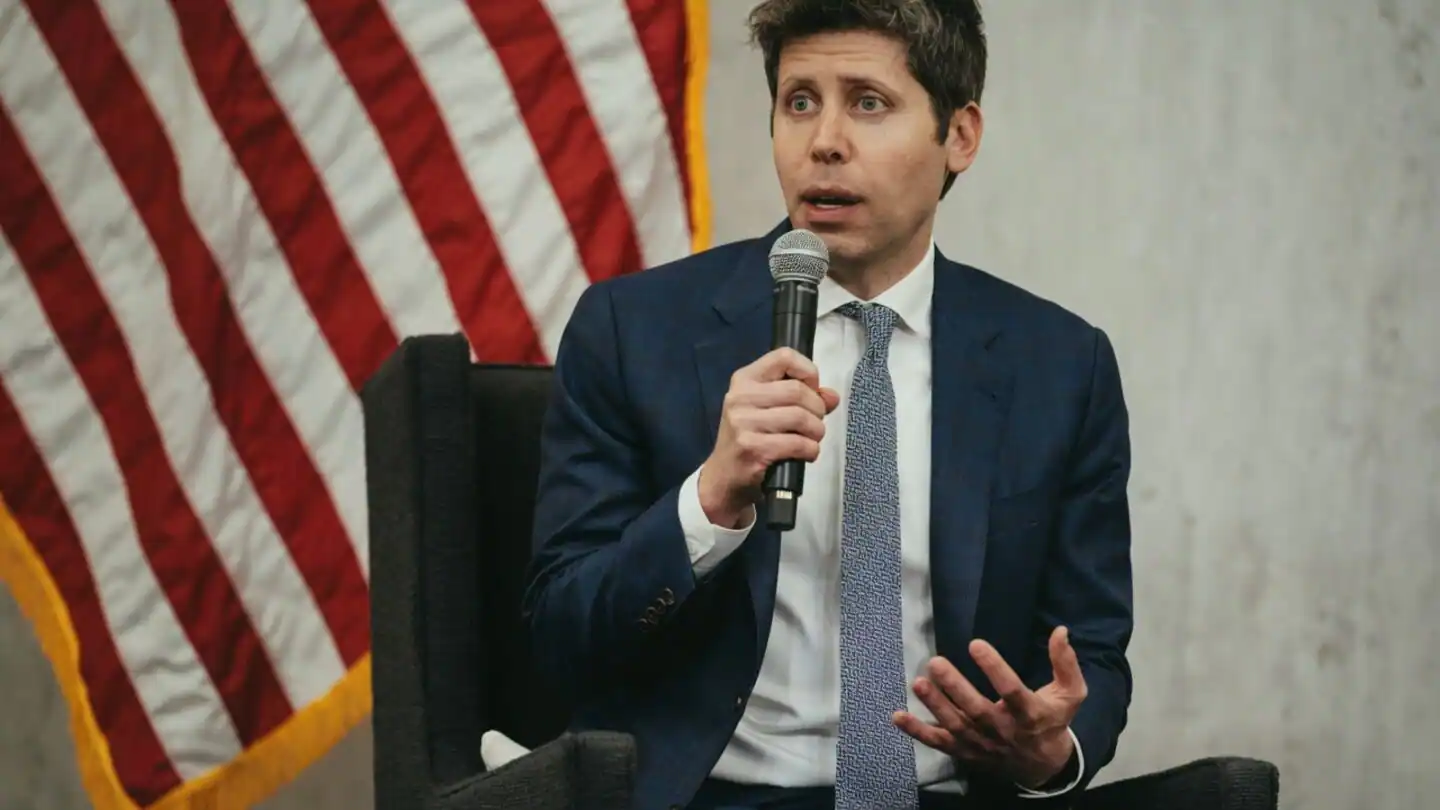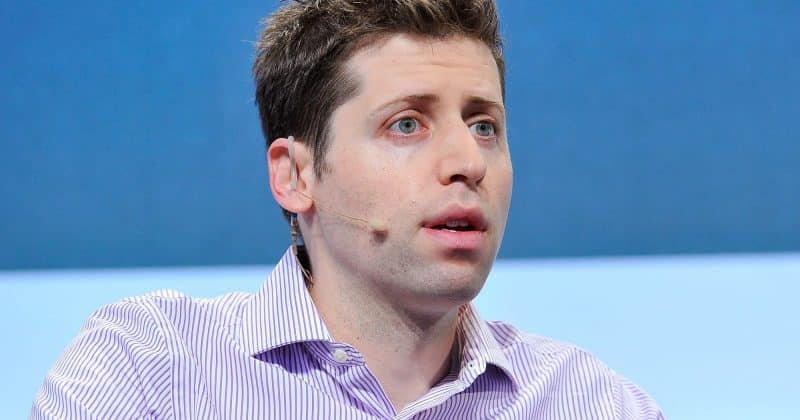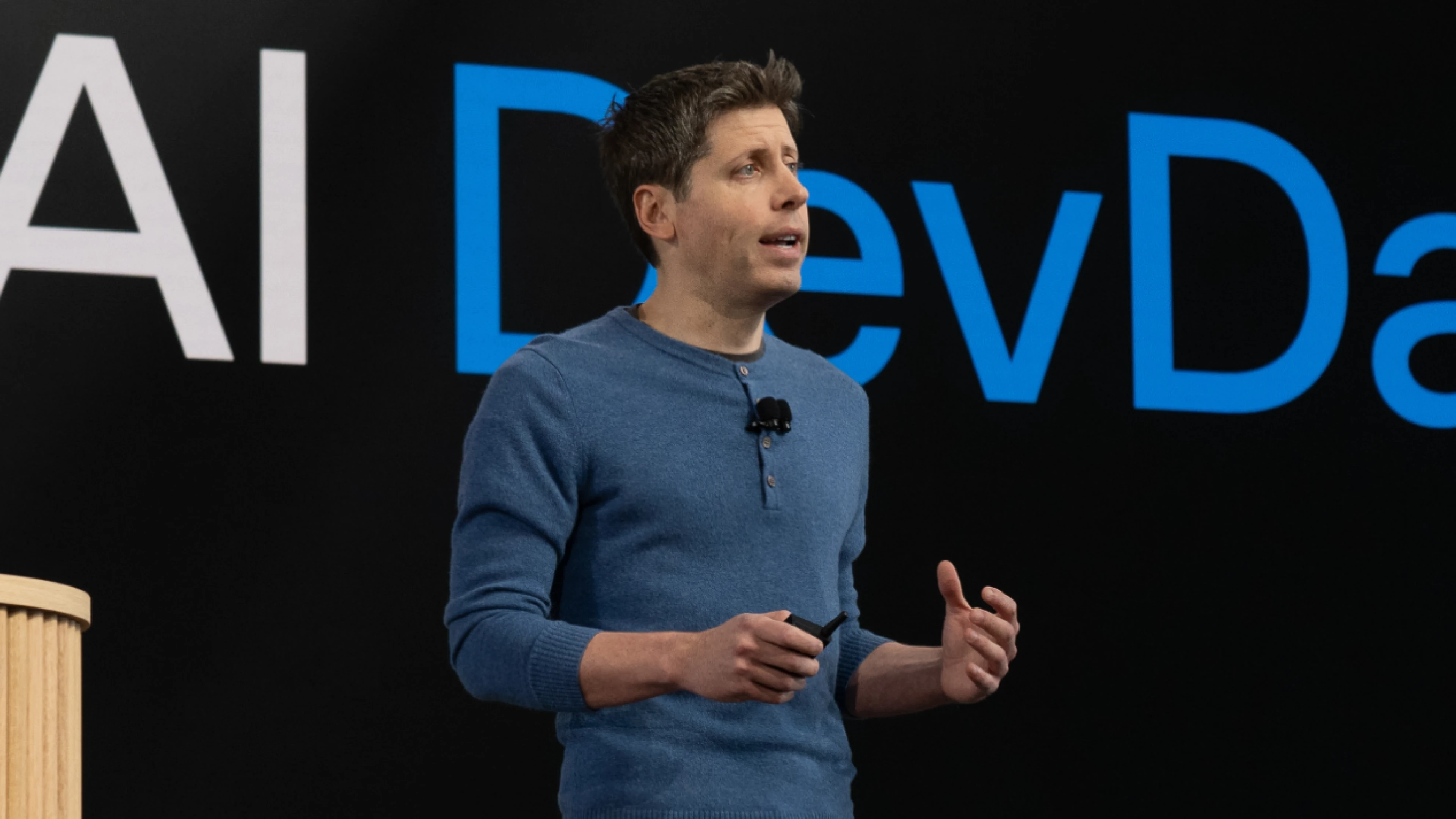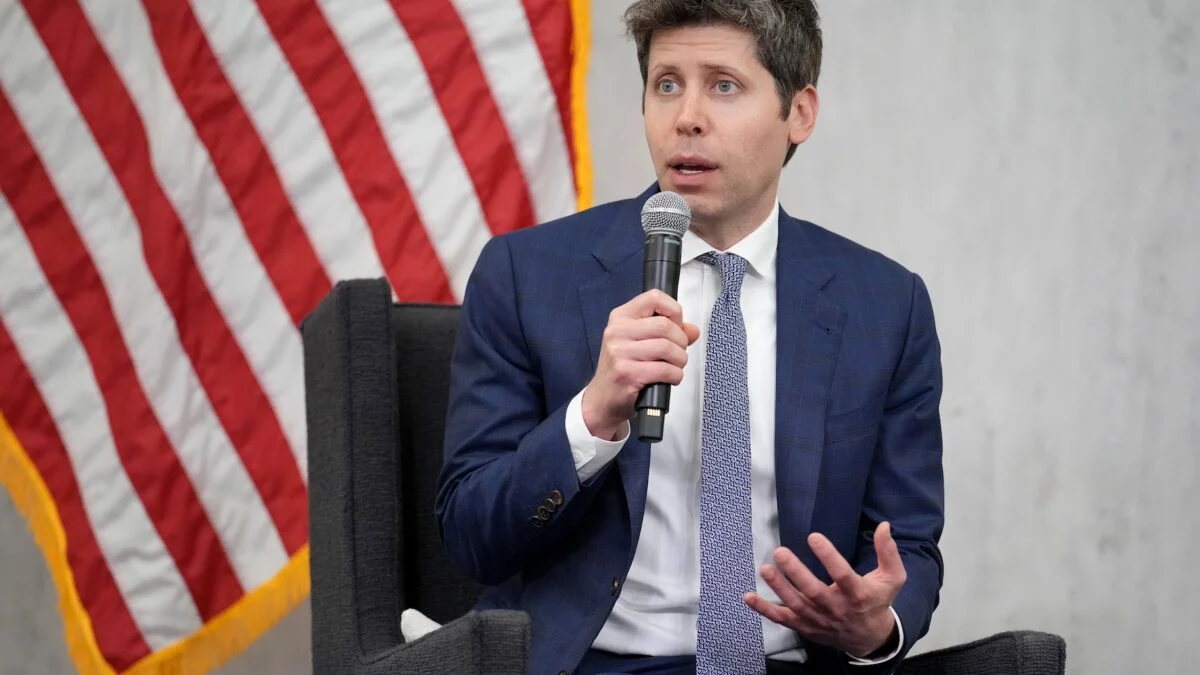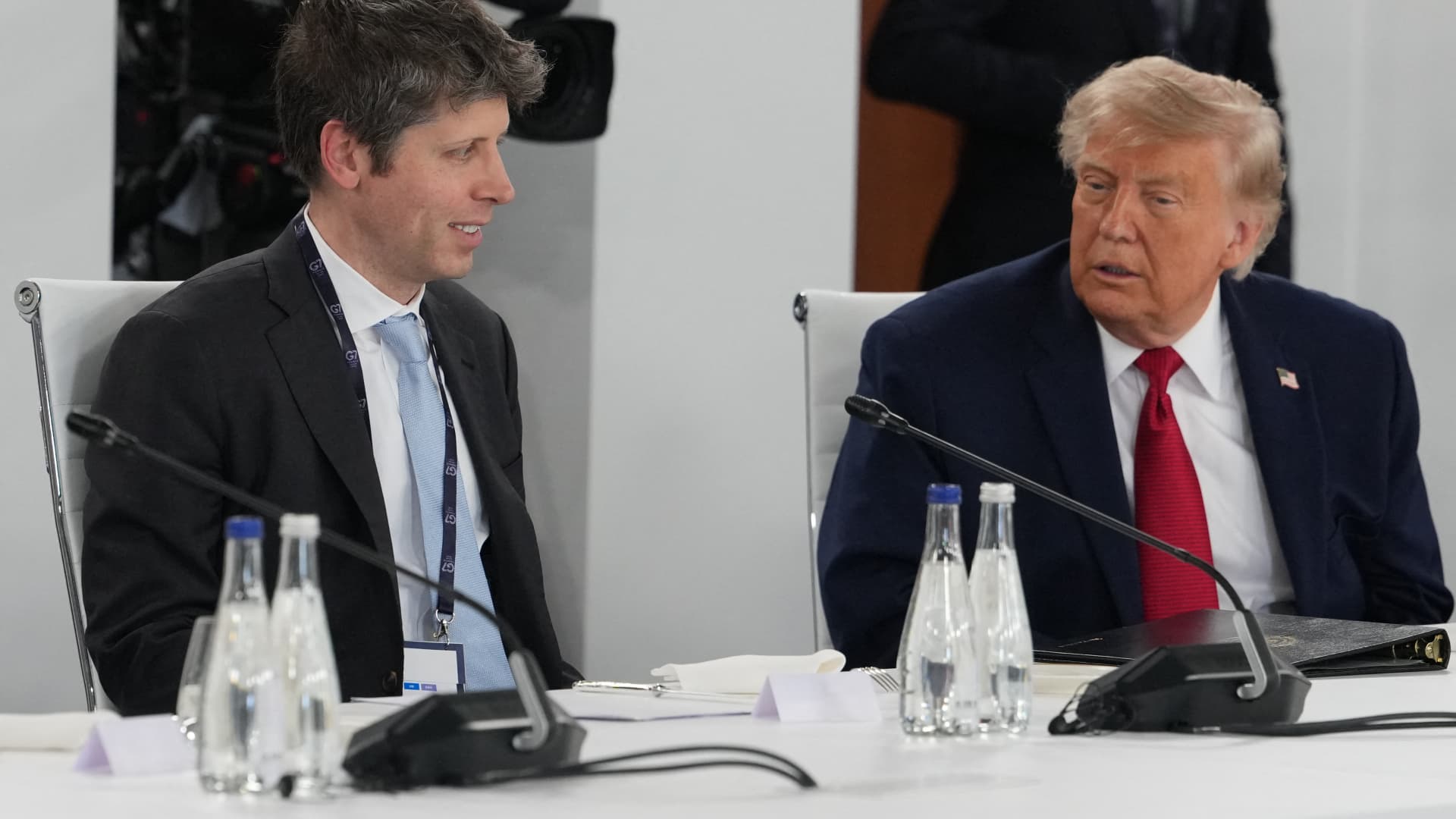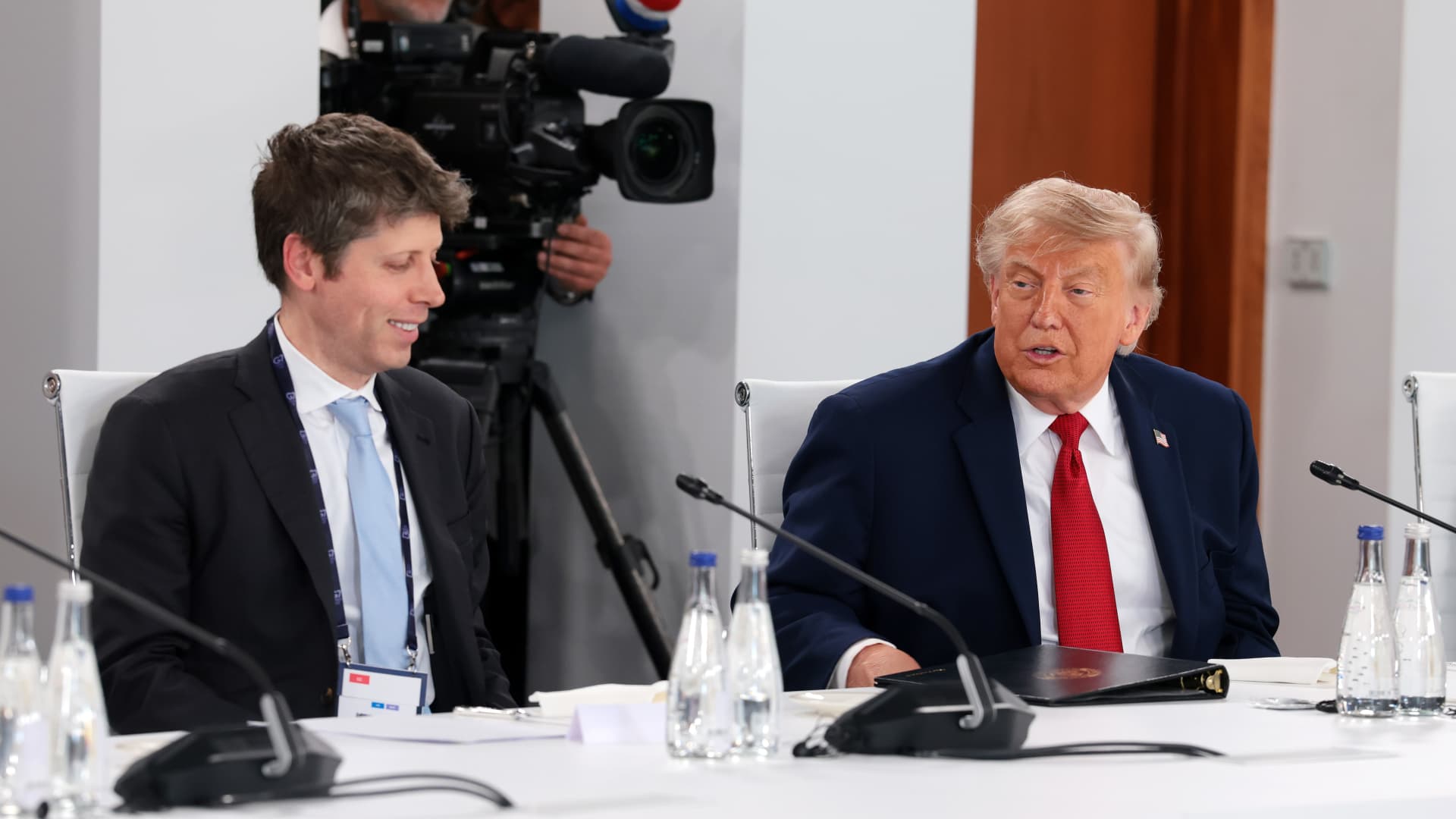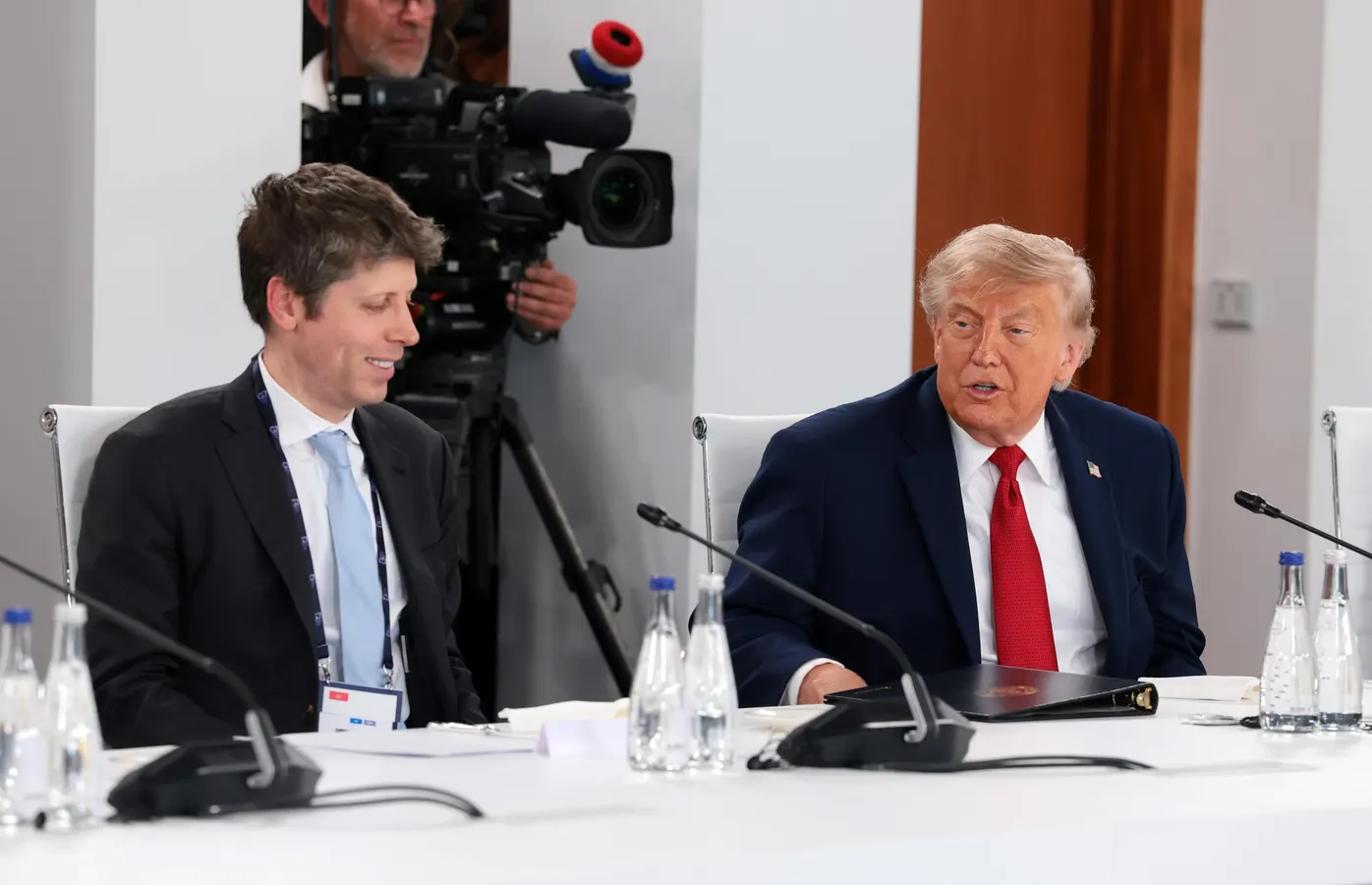
EVIAN-LES-BAINS, FRANCE - JUNE 17: CEO of OpenAI Sam Altman (L) and U.S. President Donald Trump attend a working lunch with G7 leaders, G7 outreach partners, and global tech CEOs on innovation and AI, during the G7 Summit on June 17, 2026 in Evian-les-Bains, France. Leaders from the Group of 7 (G7) countries convened in Evian, France, near the Swiss border, for their annual summit to discuss challenges to peace and security for Ukraine and Europe, the situation in the Middle East, and other geopolitical issues. (Photo by Anna Moneymaker/Getty Images)Getty ImagesLast week, two interesting pieces appeared in the Financial Times within 24 hours of each other.On July 1, Sam Altman published an op-ed in the FT calling for governments, not AI labs, to set the rules for artificial intelligence. The next day, the FT reported that OpenAI has been discussing giving the U.S. government a 5% stake in the company.Taken together, the two stories create a far more nuanced and interesting picture than either alone.Global Traffic Controller for AIWriting in the FT, Altman proposed creating a U.S.-led international forum that would set safety standards for AI models, provide “expert and impartial analysis of capabilities and risks, and [make] the technology available to nations and companies that participate and follow the rules.”This forum might include government representatives, independent technical experts and others, he added. “It could also serve as a governance mechanism over the labs, and guard against the commercial pressures that can lead to unsafe racing.”His model is institutional by design. “Aviation safety, global financial standards and efforts to manage atomic energy via the International Atomic Energy Agency are all examples,” he wrote, noting the IAEA came into existence at the height of the Cold War — proof that adversarial geopolitics and international co-operation don’t have to be mutually exclusive.MORE FOR YOUThe forum Altman envisions would function as a kind of certification body: countries join by agreeing to shared rules, companies within those countries undergo regular audits and access to advanced AI follows compliance. “Countries — and the people and businesses that live within them — deserve access to this technology,” he wrote. “And the entire world should want to ensure that standards are followed to keep us all safe.”Notably, Altman made a clear distinction between entities building AI and entities who should be governing it. “Democratic institutions must not cede their responsibilities to AI labs,” he wrote. “The labs develop the technology, but citizens and their elected representatives must make the rules. The most important decisions about how this technology is used should be made through democratic processes, not by a small number of companies in San Francisco.” That last line is particularly noteworthy coming from one of those companies in San Francisco.Why Now?The op-ed followed directly from the G7 summit in Evian-les-Bains, France, where Altman met with world leaders and discussing topics including who should set the rules for AI.Among others, Altman was in conversation with President Trump, whose administration has spent the past month tightening its grip on frontier AI — most visibly through the export control order that temporarily took down Anthropic’s Fable 5 and Mythos 5 models before the Commerce Department lifted the broad restrictions weeks later.The timing is also relevant. Altman’s proposal for a formal international framework arrives precisely when the alternative — ad hoc government intervention, country-by-country — is already playing out.$42.6 Billion of Goodwill?One day after the op-ed, the FT reported that OpenAI has held preliminary discussions about handing the U.S. government a 5% equity stake in the company. At OpenAI’s most recent valuation of $852 billion — set during its $40 billion funding round in March — that stake would be worth approximately $42.6 billion.The proposal, confirmed to CNBC and Bloomberg by people familiar with the talks, goes further than OpenAI. Altman and other executives have suggested structuring the arrangement so that other leading U.S. AI developers — including Anthropic, Google and Meta — would each allot 5% of their equity to a vehicle modelled on the Alaska Permanent Fund, the sovereign fund that invests Alaska’s oil wealth and pays dividends to residents. Any deal would likely require an act of Congress, the FT reported. The discussions are described as “conceptual” and early-stage. Trump previously described the U.S. taking stakes in AI companies as “a beautiful thing” that would make Americans “partners in this revolution.” The administration has already taken equity positions in Intel and MP Materials by converting federal support into shares.Paper TrailThe equity proposal is bundled under a larger, more complex web of questions about AI’s economic gains. In April, OpenAI published a policy document calling for a Public Wealth Fund that would give ordinary Americans an automatic stake in AI companies — even those not investing in financial markets. The same document proposed a four-day work week, higher corporate taxes to offset lost income taxes and levies on businesses that replace human workers with AI.Meanwhile, Senator Bernie Sanders pushed for a one-time 50% tax on major AI companies to create a government fund. The bipartisan appetite for some form of public stake in AI gains is significant, but the mechanics of how exactly wealth would flow remains hotly contested.What It Means for AI UsersThese developments don’t immediately change anything for consumers just yet, but the direction of travel is significant. It’s worth keeping track of how Altman is proposing a world where a U.S.-led body decides which AI models are safe enough to deploy — and, implicitly, which countries and companies get to access the most capable ones. That would form the infrastructure and scaffolding that could determine what AI products people can actually use, how and where. The Anthropic episode showed it can happen rapidly, and this proposal would mean that it would happen through a specifically designed framework (rather than a phone call from the Commerce Department).However, whether a sitting government — which just demonstrated it is willing to use export controls unilaterally — is ready to cede that power to an “international” forum is, at minimum, an open question.
Sam Altman Wants A Global Referee For AI. He Also Wants The U.S. Government To Own A Piece Of OpenAI.
OpenAI CEO Sam Altman called for a U.S.-led global AI standards body in the FT. A day later, the FT reported OpenAI offered the U.S. government a 5% stake worth $42.6 billion.
1,005 words~5 min read