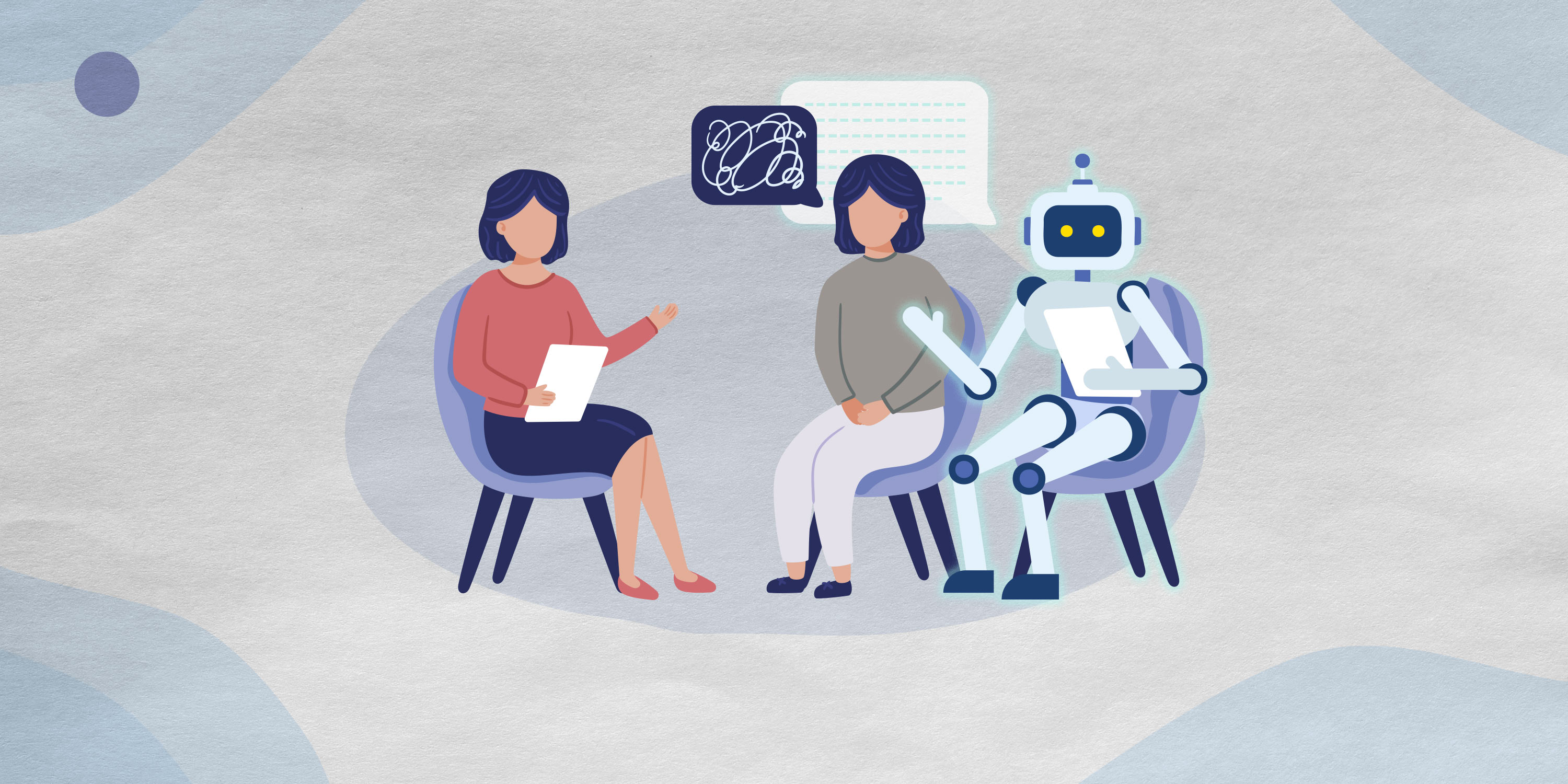
As Mental Illness Awareness Month shines a spotlight on the growing burden of mental health conditions, experts say artificial intelligence (AI) could transform how people access support, but warn that technology should complement, not replace, professional care.
More than one billion people worldwide are living with a mental health condition, according to the World Health Organization (WHO), with many still unable to access timely treatment. As healthcare systems grapple with rising demand, AI-powered tools are increasingly being explored to help identify early warning signs of emotional distress, improve access to care and reduce administrative pressures on healthcare workers.
Affinity Health CEO Murray Hewlett said AI has the potential to help people seek help earlier by identifying behavioural patterns linked to anxiety, depression, burnout and other mental health challenges.
“Technology is changing healthcare rapidly, and AI may help improve access to mental health support for many people. However, it should support healthcare professionals rather than replace human care, compassion and clinical judgement,” Hewlett said.
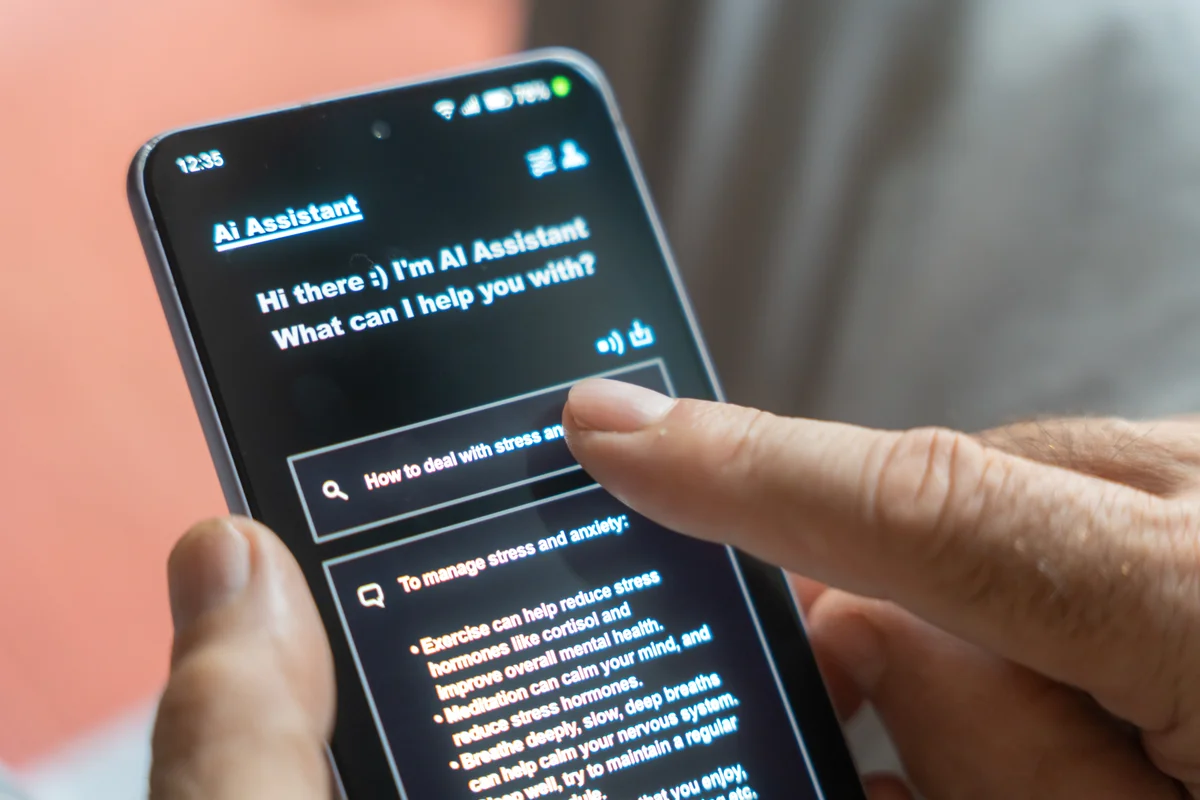
Developers are increasingly incorporating AI into mental health apps and digital wellness platforms that allow users to track their mood, sleep patterns, stress levels and emotional wellbeing. Some platforms also offer chatbot-style check-ins and basic coping techniques aimed at encouraging users to seek professional help sooner.