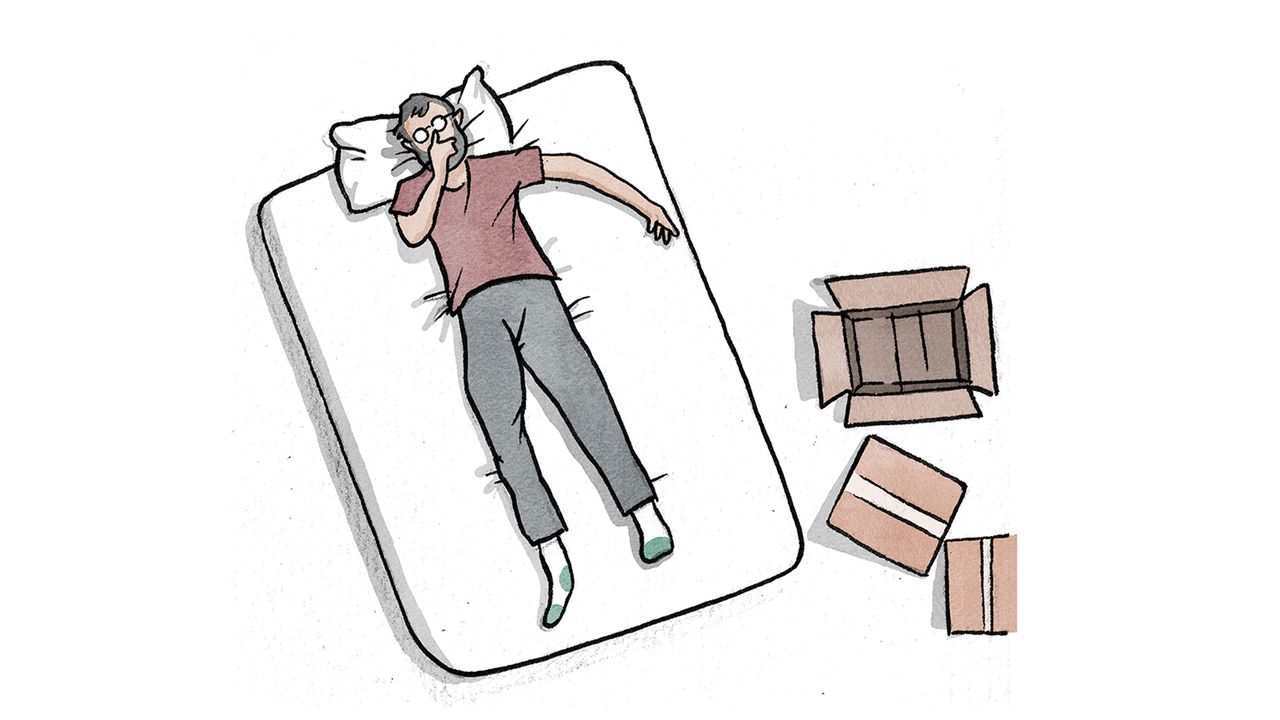
Coffee spilled across my bedsheets as I read the San Francisco Chronicle, my hometown paper, last June. An op-ed was denouncing the Trump administration for killing the Mark Twain Papers and Project’s federal grant. I dabbed at the mess and sipped the article’s outrage. Summed up: How dare this government defund the largest archive of perhaps our most-quoted American author? A motive wasn’t clear.
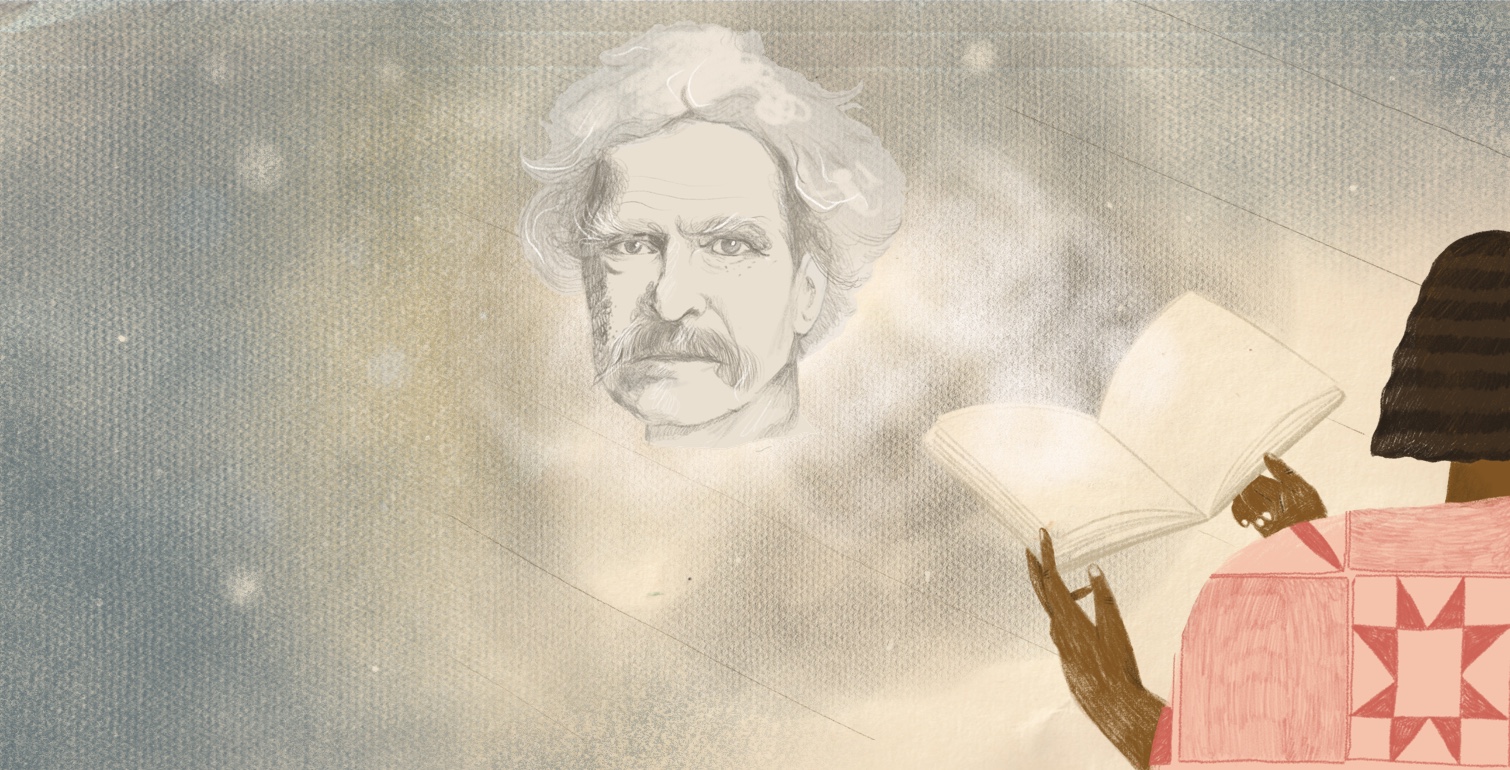
I tried to imagine what Mark Twain, dead more than a century, might have said to provoke the president. That question sent me back to a novel that once jolted my nervous system with its racial slurs and kicked off my year of researching Twain, arguing about him, even trying to out-Twain him with my jokes.
I remember our Texas university classroom in 1995, its air conditioner rattling like it had bronchitis. Our American literature professor was a Black woman with a tiny fro and a forgetful manner—a look and teaching-style I would adopt decades later.
One day, she wrestled up a Bible-sized Adventures of Huckleberry Finn. “We’re reading this,” she beamed behind thick glasses. “But we’re not reading it out loud.”
No one asked why. Undergraduates would rather walk barefoot across hot gravel than look silly asking a follow-up question. Yet from the first chapter—set before the Civil War during slavery’s primetime and narrated by a Southern white teen steeped in bigotry—I understood. That word. The one that Dave Chappelle had joked “would make Black people mad for the rest of history.”