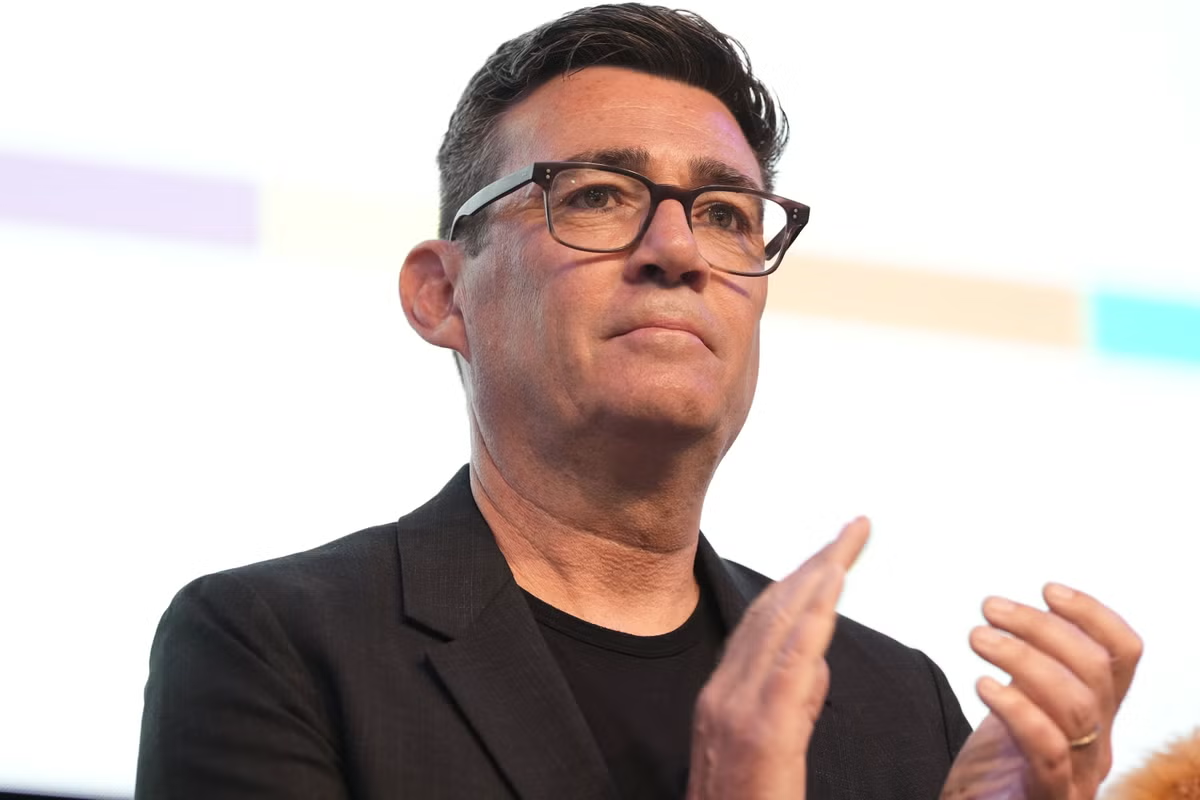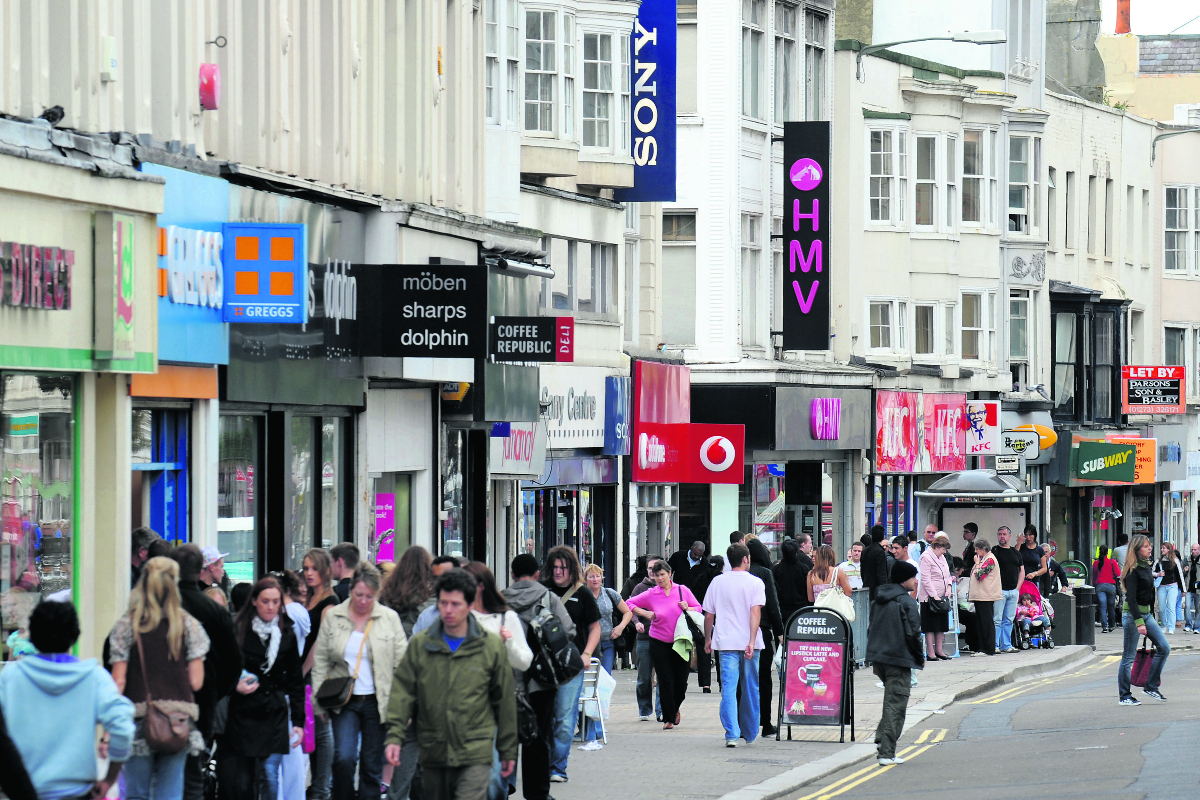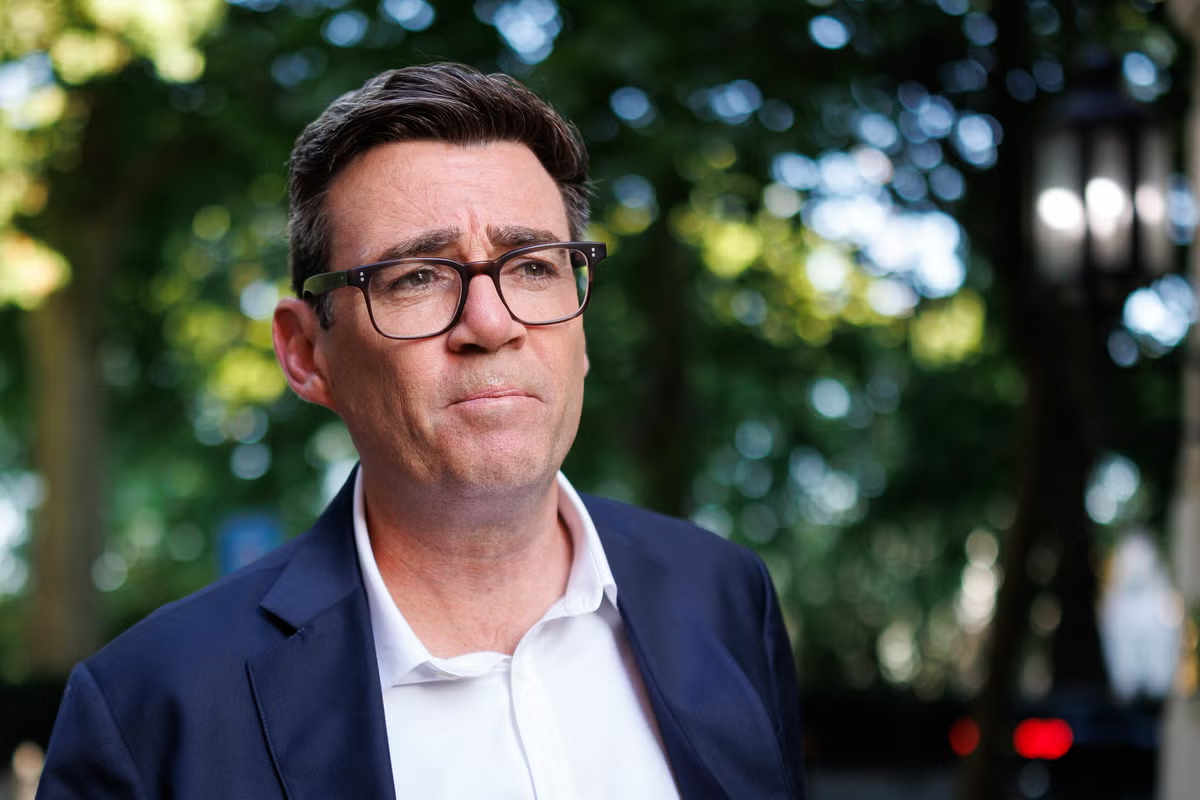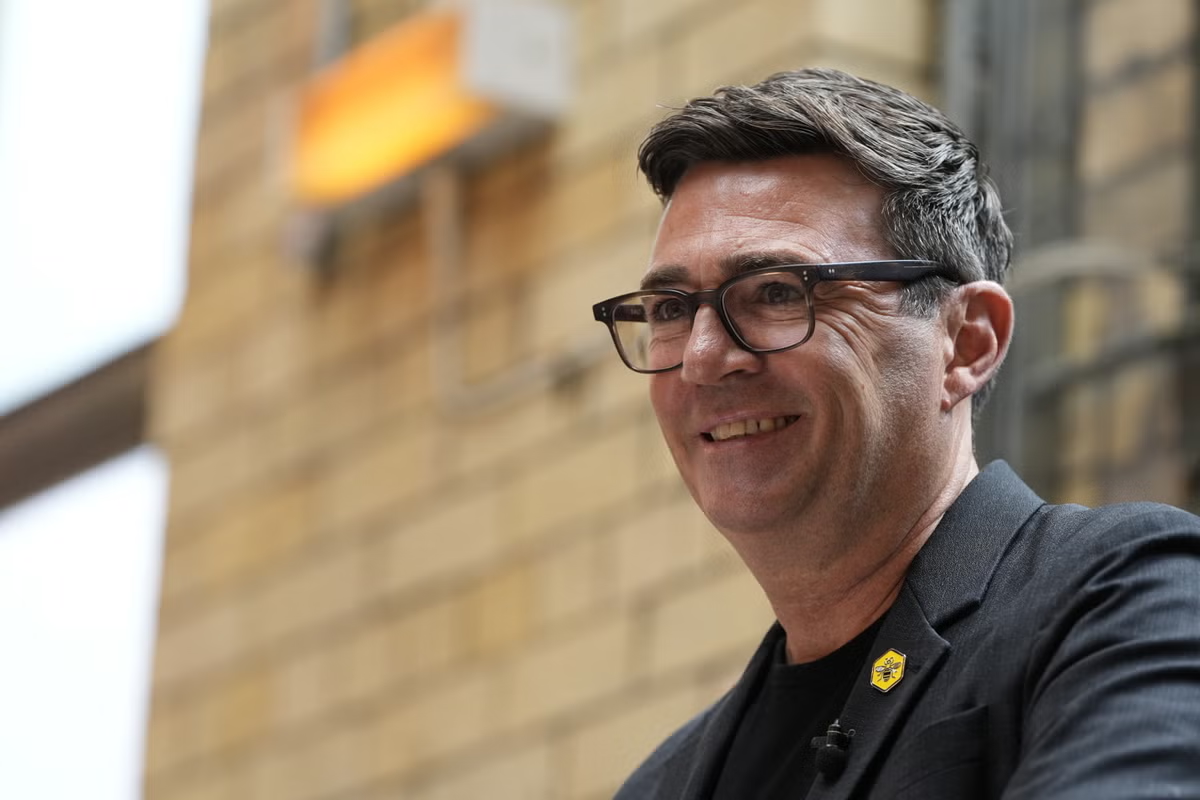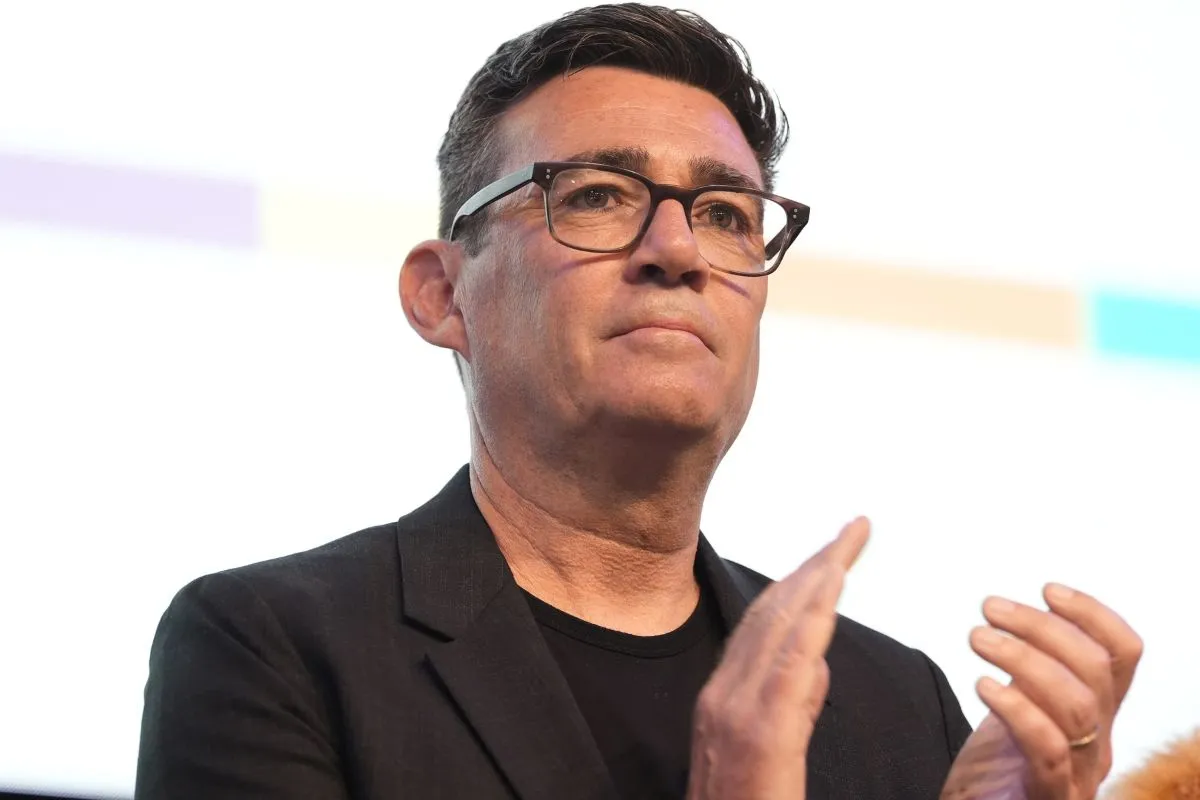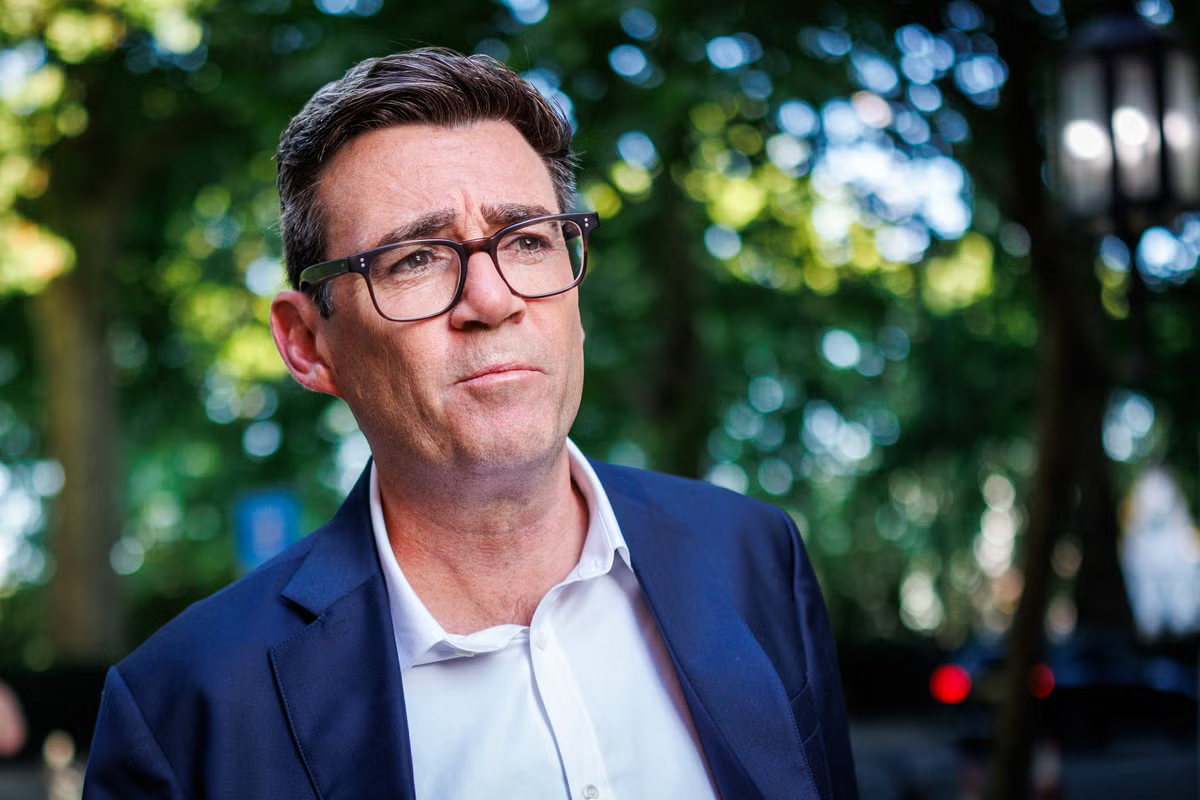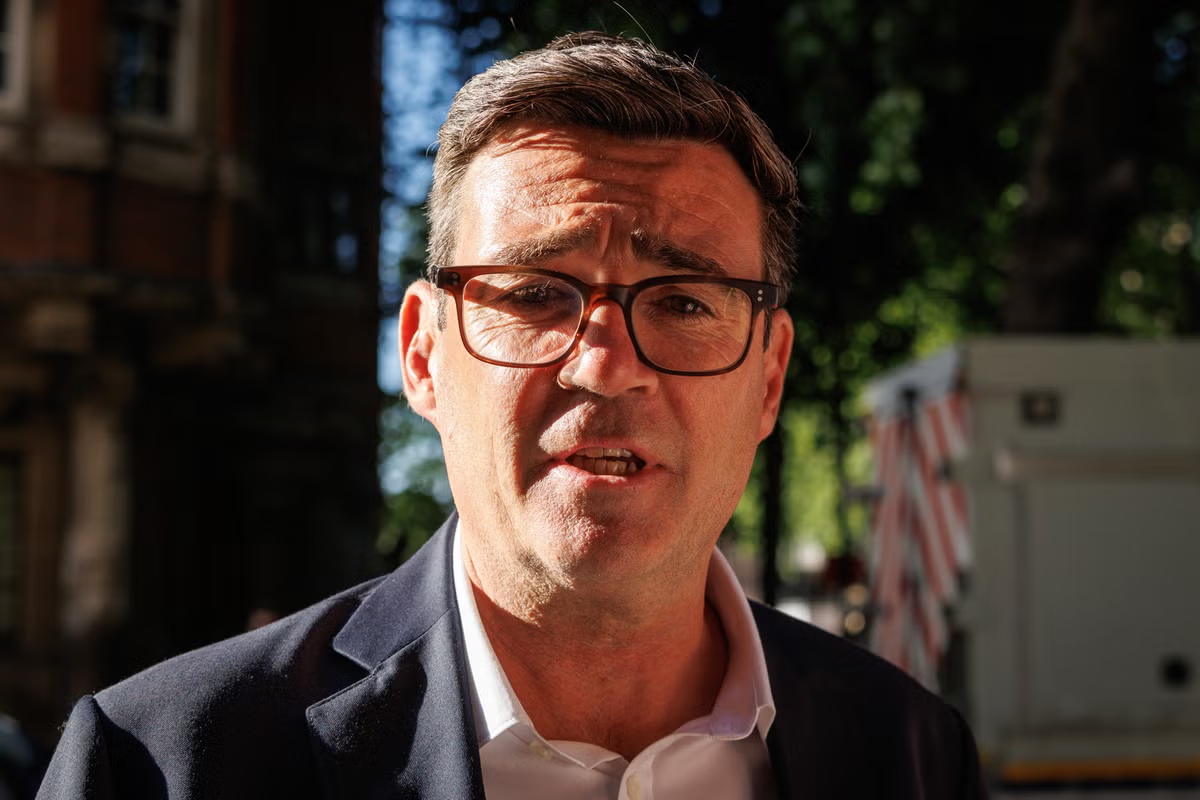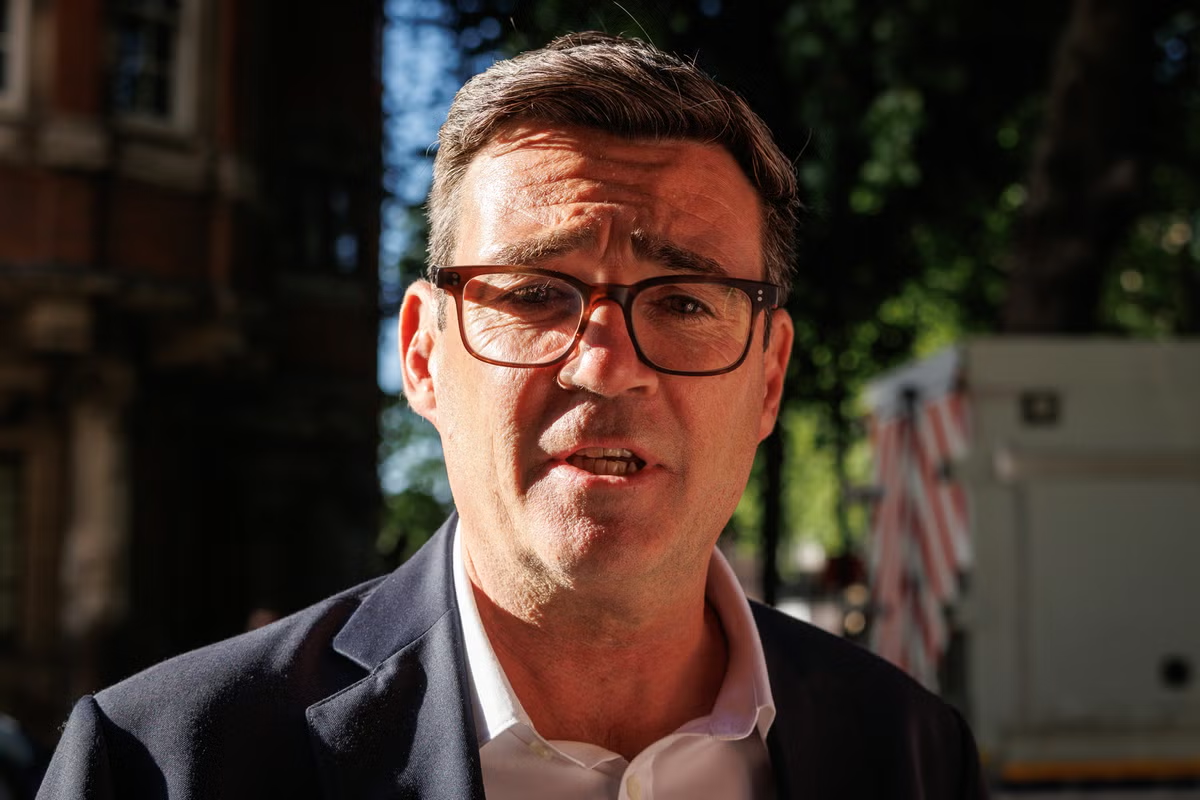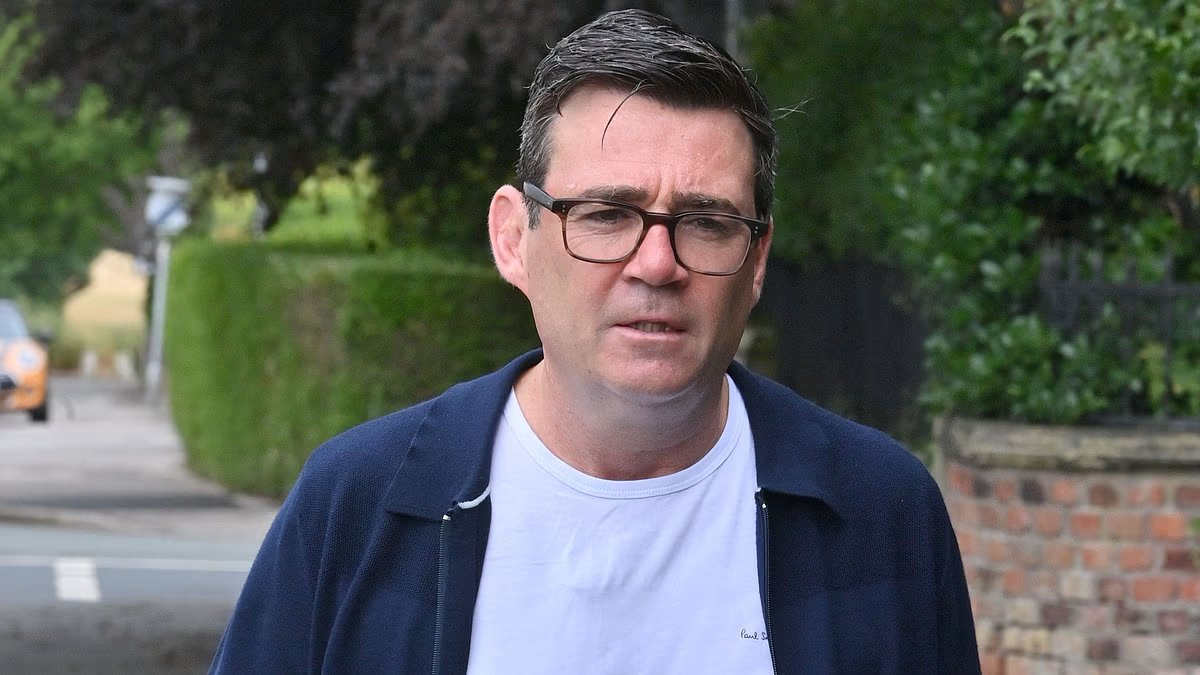
Andy Burnham's plans to slash business rates for smaller High Street firms could cost around £880million a year, according to a fresh analysis.The prime minister-in-waiting has pledged an overhaul of business rates if he enters Downing Street in a bid to boost 'family-owned businesses'.But new forecasts by global tax firm Ryan have revealed the potentially eye-watering cost of the policy.It has increased fears about another Labour tax raid when Mr Burnham, the former Greater Manchester mayor, succeeds Keir Starmer in Downing Street.Mr Burnham, who is almost certain to enter No10 on 20 July, sparked concerns last week when he insisted there is still 'some room' in Labour's manifesto pledges for 'movement on tax'.He has previously advocated for wealth taxes - such as a 'land value tax' - and a shake-up of inheritance tax, while he is also said to be mulling a capital gains tax hike.Mr Burnham is currently undertaking 'access talks' with the civil service as he prepares to take office.But there are jitters about Mr Burnham's 'skeletal' team, with him having so far refused to name any members of his Cabinet - including his incoming Chancellor. Andy Burnham's plans to slash business rates for smaller High Street firms could cost around £880million a year, according to a fresh analysisMr Burnham is said to be leading the talks with Whitehall officials alongside his close ally Louise Haigh, the former transport secretary, and his chief of staff James Purnell.One Labour figure suggested that Mr Burnham's reluctance to announce any senior appointments was hindering the discussions with Cabinet Secretary Antonia Romeo and her team.They told the Financial Times: 'Burnham needs to nominate key people in advance or he cannot have meaningful talks.''Burnham needs to start making decisions. As well as a moment of great excitement, it's a moment of risk.'However, a senior Whitehall figure pointed to how Mr Burnham's team included people who had experience of government under New Labour and Sir Keir.They told the newspaper: 'It doesn't feel like a whole new government starting and not having a clue about stuff. I don't get any sense of panic.'During his Makerfield by-election campaign, Mr Burnham vowed to increase the threshold at which some small businesses would need to pay business rates.This would effectively abolish the tax for the smallest concerns such as cafés, shops and hairdressers.Mr Burnham also promised to cut business rates for pubs and music venues by 20 per cent.His team said the rates cut for pubs would cost around £100million, while abolishing rates for cafes, shops and hairdressers could cost a further £250million.To fund his plans, Mr Burnham said he would raise taxes on online giants - such as Amazon - and their warehouses in Britain.He also promised to take action on unscrupulous landlords that leave shops empty for more than a year, as well as other High Street abuses and forms of tax evasion.Mr Burnham's team said the measures would raise somewhere in the region of £500million altogether.But the research by Ryan suggested Mr Burnham's plans could cost around £880million.They forecast the policy could lift more than 140,000 additional small premises out of paying business rates altogether.As a result, this is likely to reduce business rates liabilities by around £880 million, based on Government tax data.Mr Burnham's expected proposal would increase the threshold for 100 per cent small business rates relief from a rateable value of £12,000 to £18,000.It would also extend the upper threshold at which firms receive tapered relief up to £21,000, from £15,000 currently.Alex Probyn, a practice leader for property tax at Ryan, said: 'Supporting small businesses is a great policy objective.'The concern is how that is funded if things have to be revenue neutral.'Larger commercial properties are already contributing more through the existing business rates surtax to fund lower liabilities for retail, hospitality and leisure.'The obvious question is whether they are now going to be asked to contribute even more.'Senior Tory MP Andrew Griffith, the shadow business secretary, said: 'Any reduction in business rates that supports small businesses is welcome.'But funding those cuts by increasing taxes on larger businesses simply shifts the burden elsewhere.'At a time when Britain is losing companies and wealth creators this does nothing to encourage them to stay or invest.'Whether it is Andy Burnham or Keir Starmer, Labour does not understand you cannot tax your way to growth.
Andy Burnham's plans to slash business rates 'will cost £880m a year'
The prime minister-in-waiting has pledged an overhaul of business rates if he enters Downing Street in a bid to boost 'family-owned businesses'.
719 words~3 min read