“When you go to war as a boy you have a great illusion of immortality. Other people get killed; not you.”
This first appeared in Lit Hub’s Literary History newsletter—sign up here.Article continues after advertisement
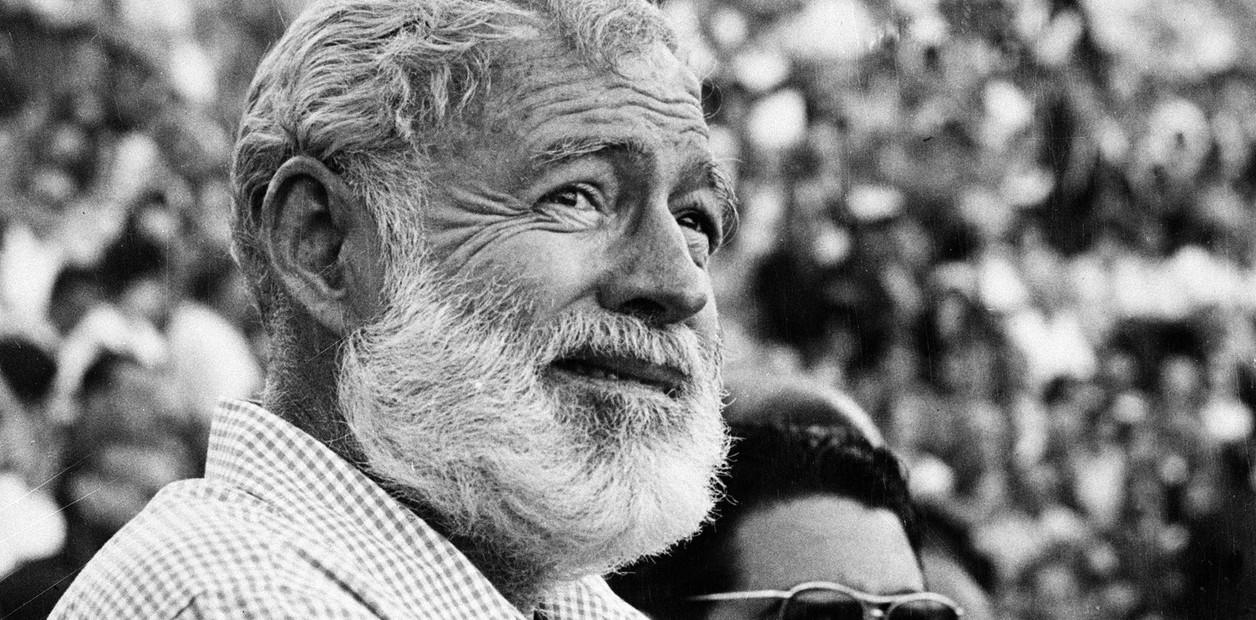
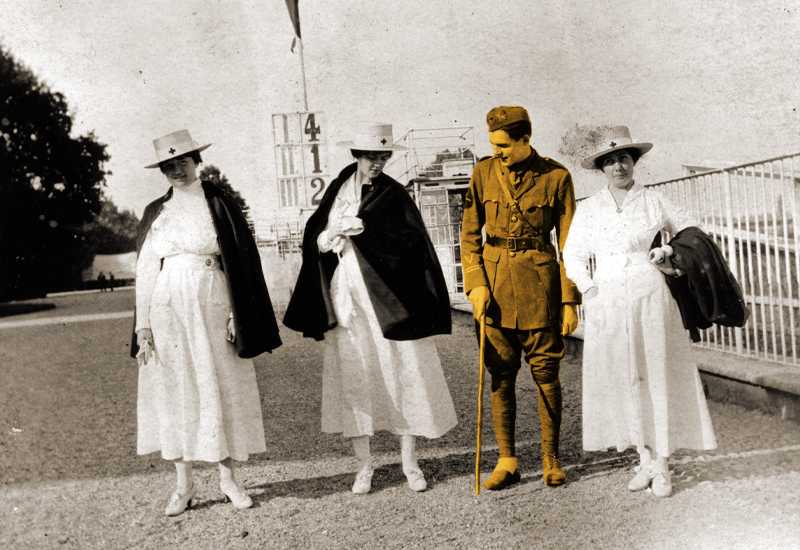
On July 8, 1918, just two weeks shy of his 19th birthday, American Red Cross volunteer Ernest Hemingway was struck by an Austrian mortar shell while delivering chocolate to soldiers on the Italian front.
The shell landed about three feet from the teenage Hemingway, knocking him out and filling his legs with shrapnel. An Italian soldier standing between him and the blast was killed; another lost both legs in the explosion and later died from his wounds. According to a letter his friend Ted Brumback wrote to Hemingway’s parents after visiting him in the hospital, Hemingway, once he regained consciousness, managed to carry a third wounded soldier on his back to the first aid station. “He says he did not remember how he got there, nor that he carried the man,” Brumback wrote, “until the next day, when an Italian officer told him all about it and said that it had been voted to give him a valor medal for the act.”
Hemingway spent six months recovering in Milan, where he famously fell in love with Agnes von Kurowsky, the American Red Cross nurse who cared for him, before heading home to Oak Park, Illinois, in January 1919.