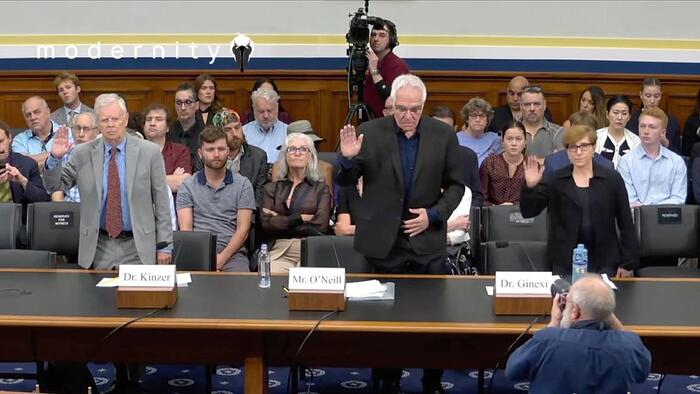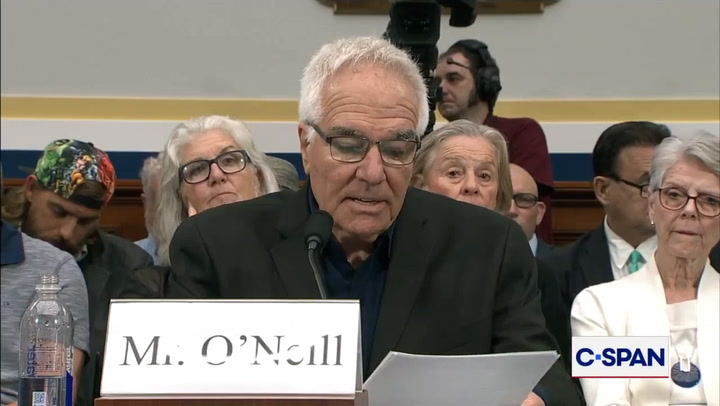
More than four decades after Congress last took a deep look at the CIA’s infamous MKULTRA program, lawmakers are once again asking how much the public still doesn’t know. The House Oversight Committee’s Task Force on the Declassification of Federal Secrets held a hearing June 30 titled “Mind Control and Accountability: Uncovering the Truth of the CIA’s MKULTRA Project.” The hearing revisited one of the Cold War’s most controversial intelligence programs while examining whether decades of document destruction and government secrecy have prevented a full accounting of what happened. Witnesses included Stephen Kinzer, a senior fellow at Brown University and author of Poisoner in Chief; investigative journalist Tom O'Neill, author of Chaos: Charles Manson, the CIA, and the Secret History of the Sixties; and Dr. Elizabeth Ginexi, a former National Institutes of Health official who appeared as the minority witness. Much of the hearing focused on whether additional MKULTRA records still exist and whether victims have ever received meaningful accountability.
What Was MKULTRA?
MKULTRA was a CIA research program launched in 1953 to study methods of influencing or controlling human behavior. At its peak, MKULTRA encompassed 149 known subprojects carried out at more than 80 institutions, including military bases, universities, hospitals, prisons and pharmaceutical companies. The CIA frequently used front organizations to conceal its involvement while researchers experimented with drugs such as LSD, mescaline, psilocybin, amphetamines and scopolamine. Some experiments combined those drugs with hypnosis, electroshock therapy, sensory deprivation and isolation.