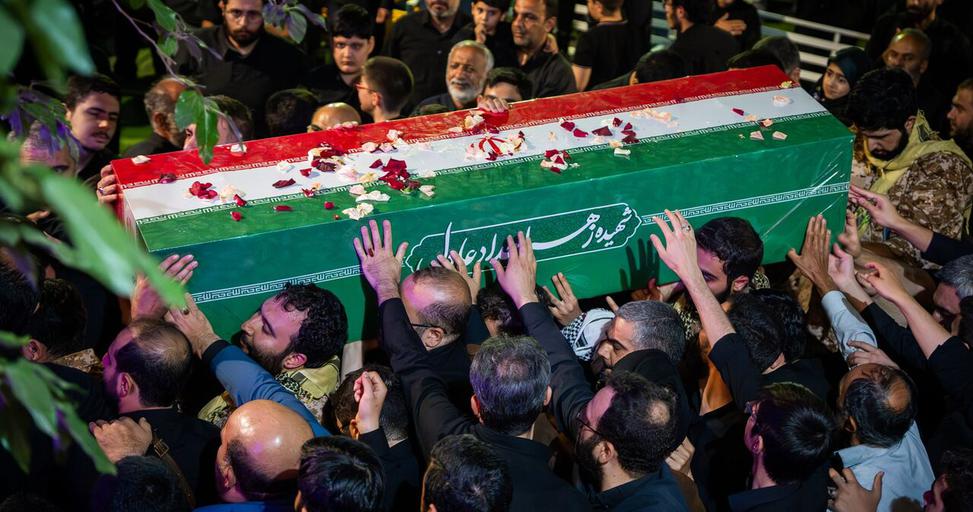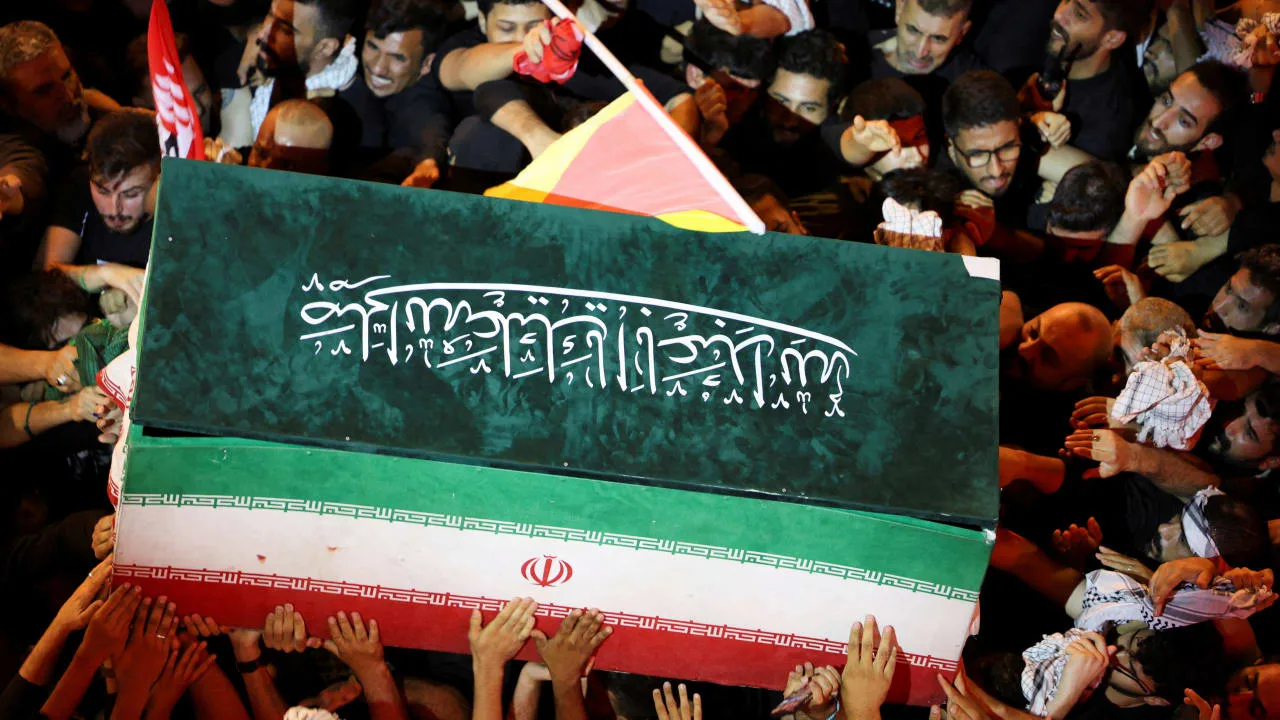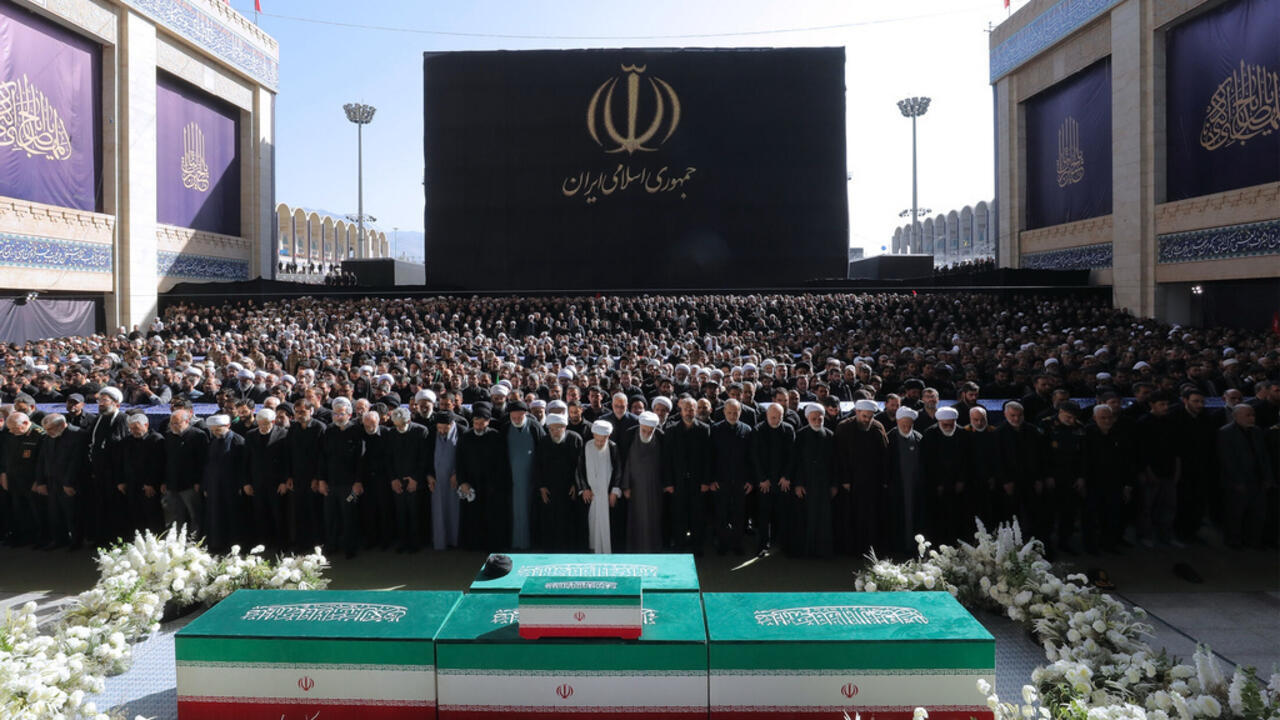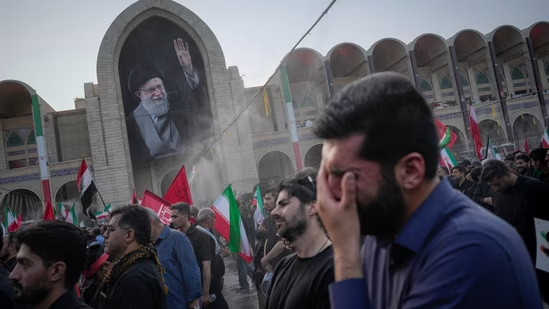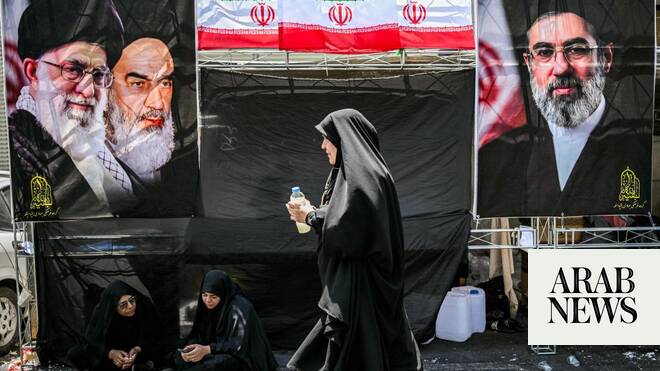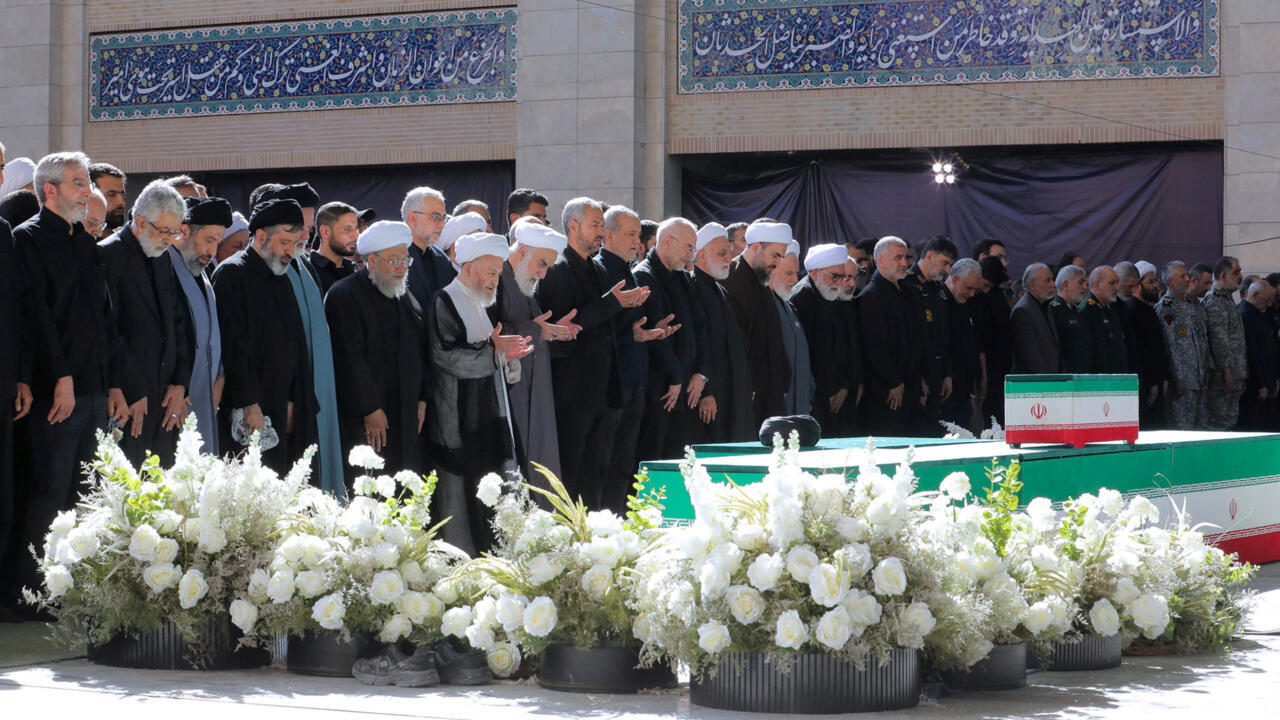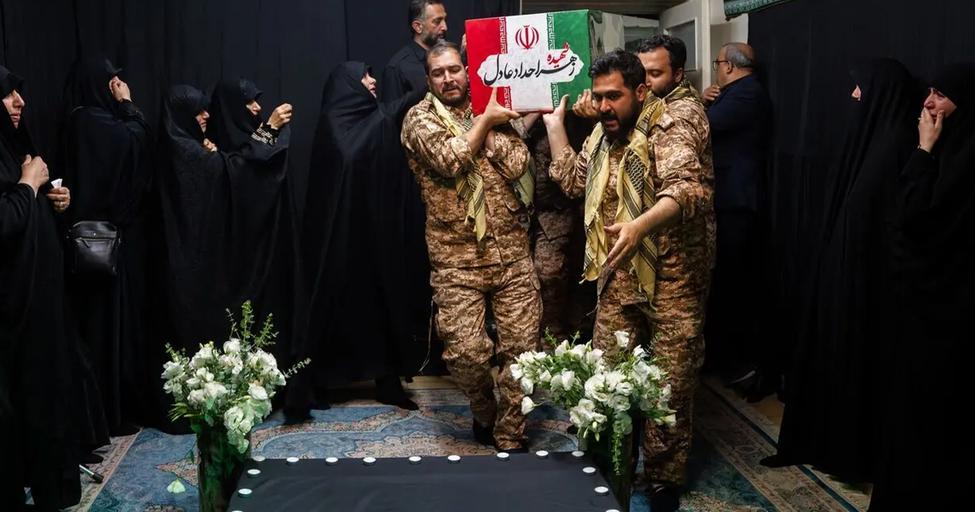
The body of Zahra Haddad-Adel, daughter of Gholam-Ali Haddad-Adel and wife of the Islamic Republic’s third Supreme Leader, Mojtaba Khamenei, was escorted in a private ceremony described by state media as a “family farewell” on July 1. In the published photographs, men in military uniforms wearing yellow keffiyehs, a symbol of solidarity with Lebanon’s Hezbollah, are seen carrying her coffin. Another image depicts Gholam-Ali Haddad-Adel seated beside his daughter’s casket, surrounded by mourning women weeping for “Martyr Zahra Haddad-Adel.” Yet Mojtaba Khamenei is entirely missing from the scene, failing to appear even at his own wife’s funeral.
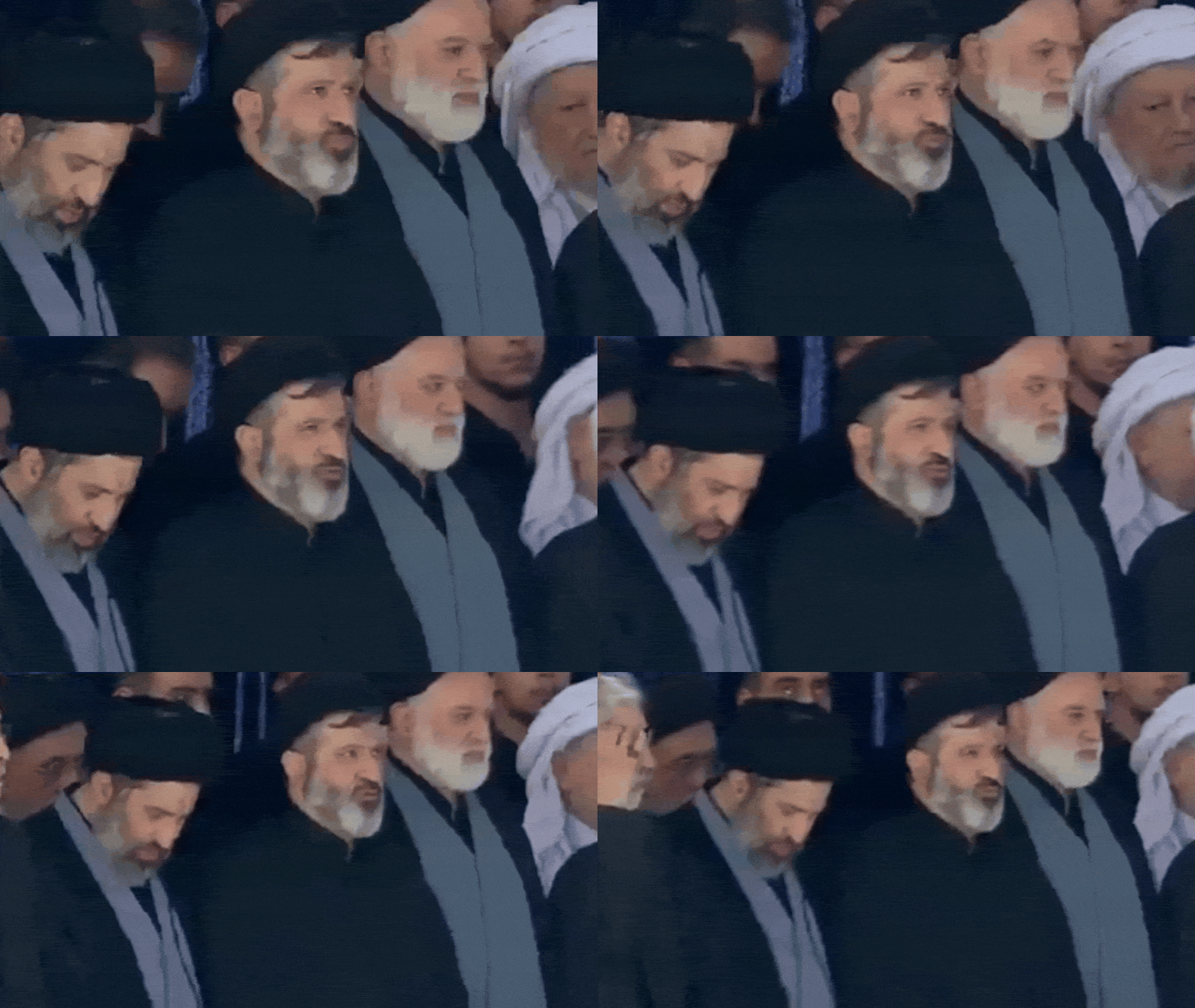
Beyond the ongoing uncertainty surrounding whether Mojtaba Khamenei is even alive, or whether he was severely disfigured in the military strikes, this profound disregard for wives and female partners represents a deeply entrenched, recurring pattern among Iran’s ruling clerics. This tradition stretches from the late wife of Ahmad Alamolhoda, whose name was famously omitted from her own tombstone, to Mansoureh Khojasteh Bagherzadeh, who spent eight years as the president’s wife and 36 years as the First Lady of the regime, yet has only a single, low-quality photograph attributed to her name.