By the time the Islamic State (IS) captured Palmyra in 2015, Syria had already endured years of civil war.
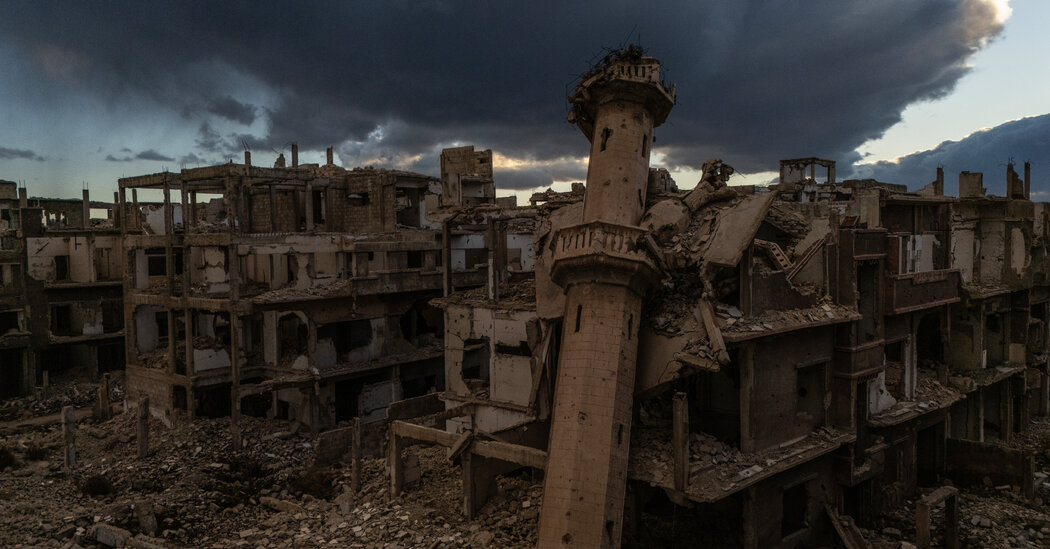
Over the decade that followed, the city experienced successive periods of control by IS and the Assad government, with Russian military intervention further shaping the battlefield. Each left its own scars through violence, displacement and destruction, transforming a landscape that had sustained its people for centuries.
It took 30 days for the people of Palmyra to comprehend the brutality of IS.
Shortly after capturing the city, the militant group publicly staged the execution of 20 men in the Roman Amphitheatre beneath its black flag, turning one of Syria’s most revered cultural monuments into a stage for terror. Their bodies were displayed in the streets of the modern city, suspended by their wrists and left to decay under the desert sun for seven days.
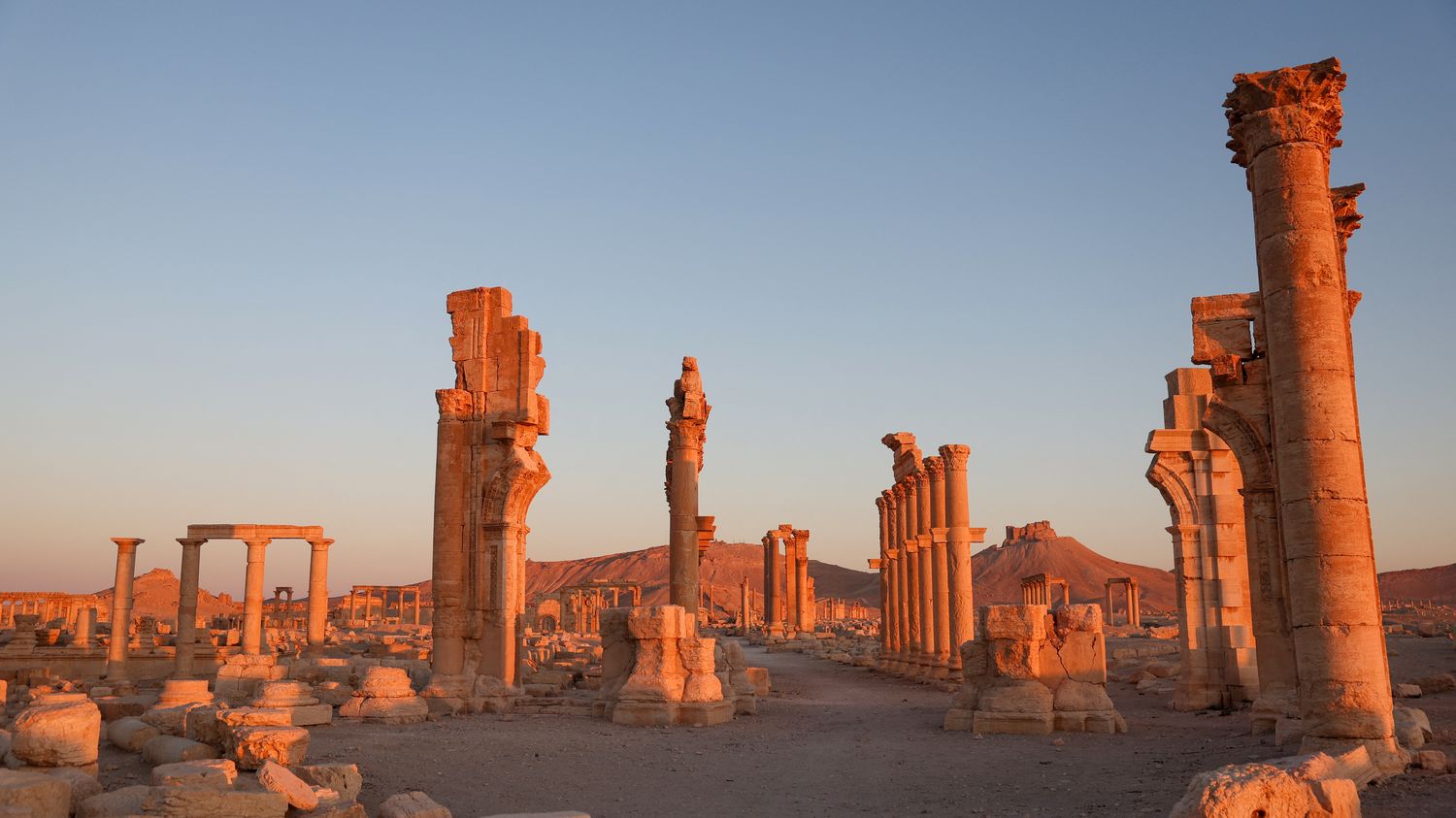
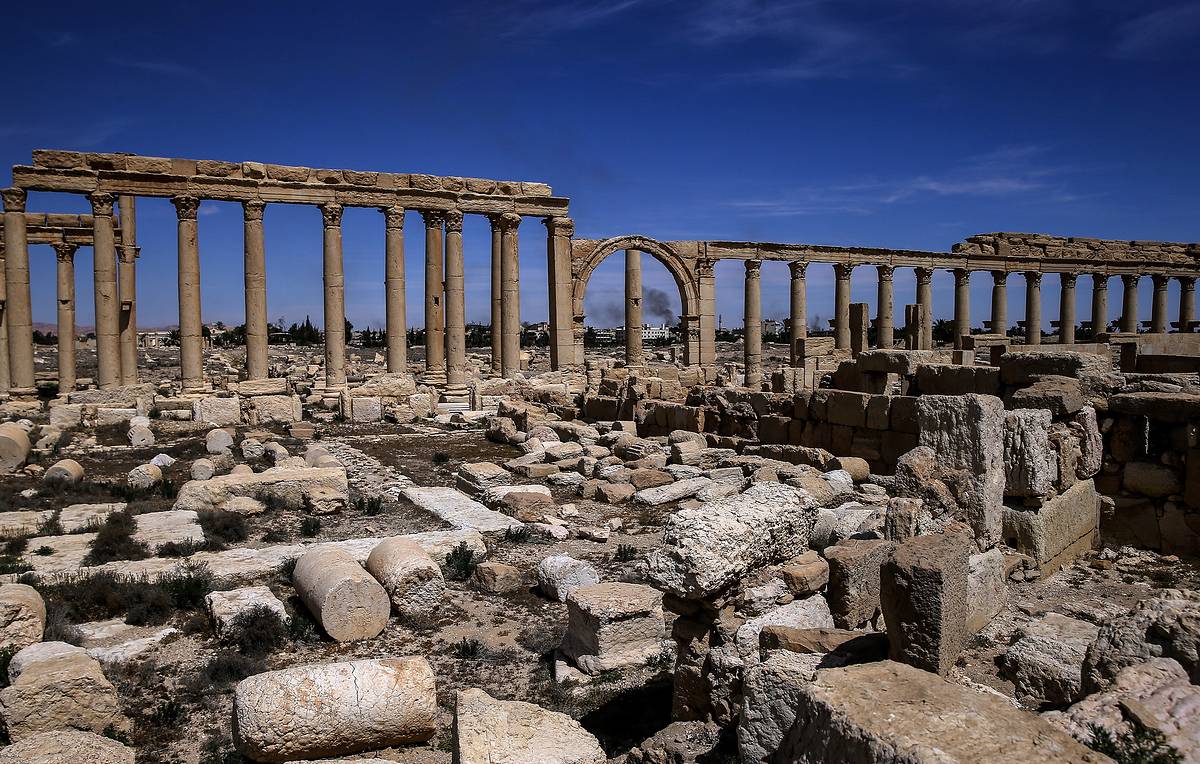
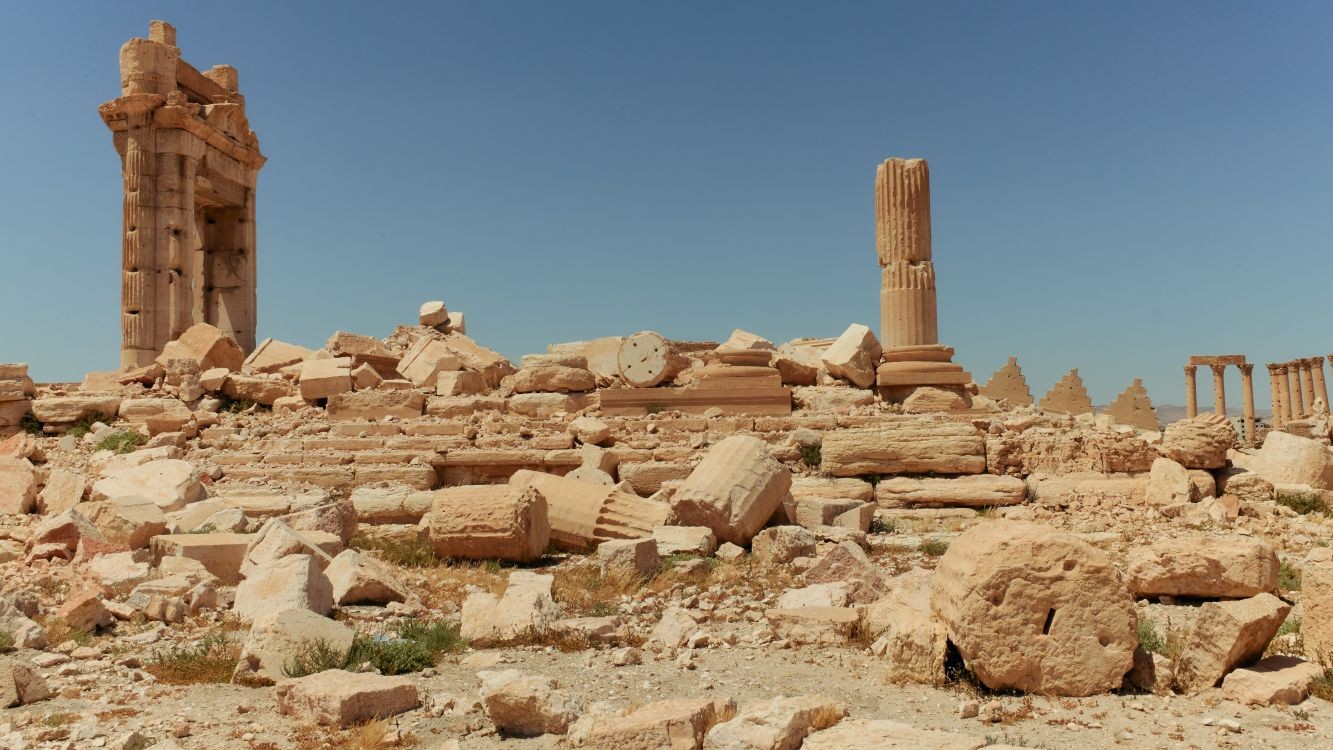
Once IS was fully seated in its power, attention turned to the ancient ruins.