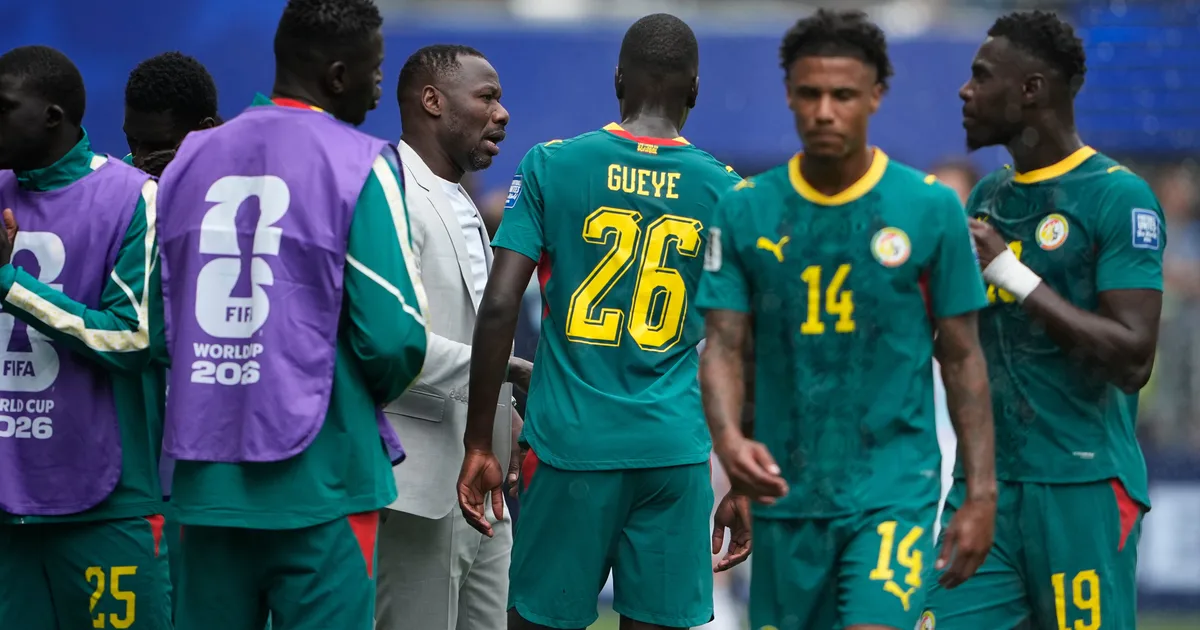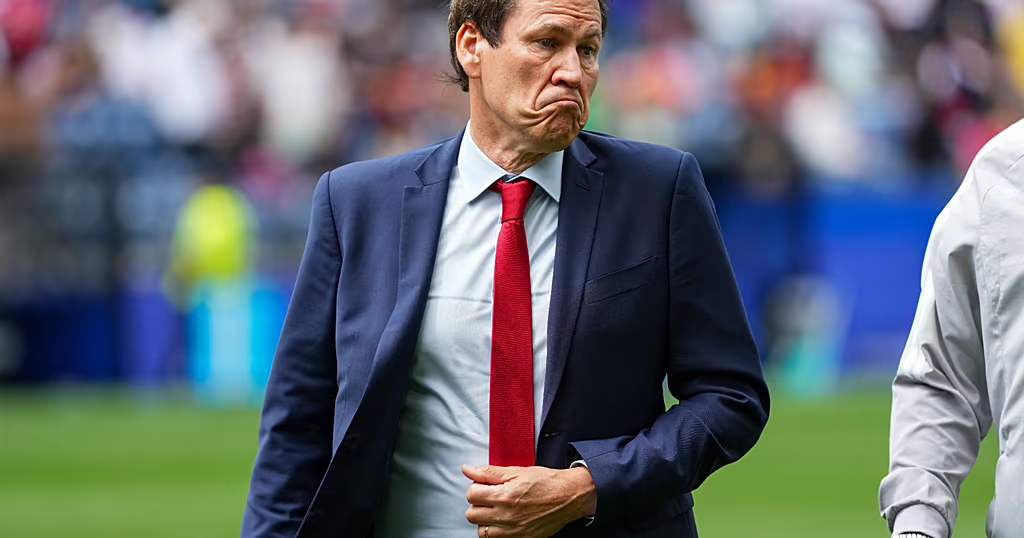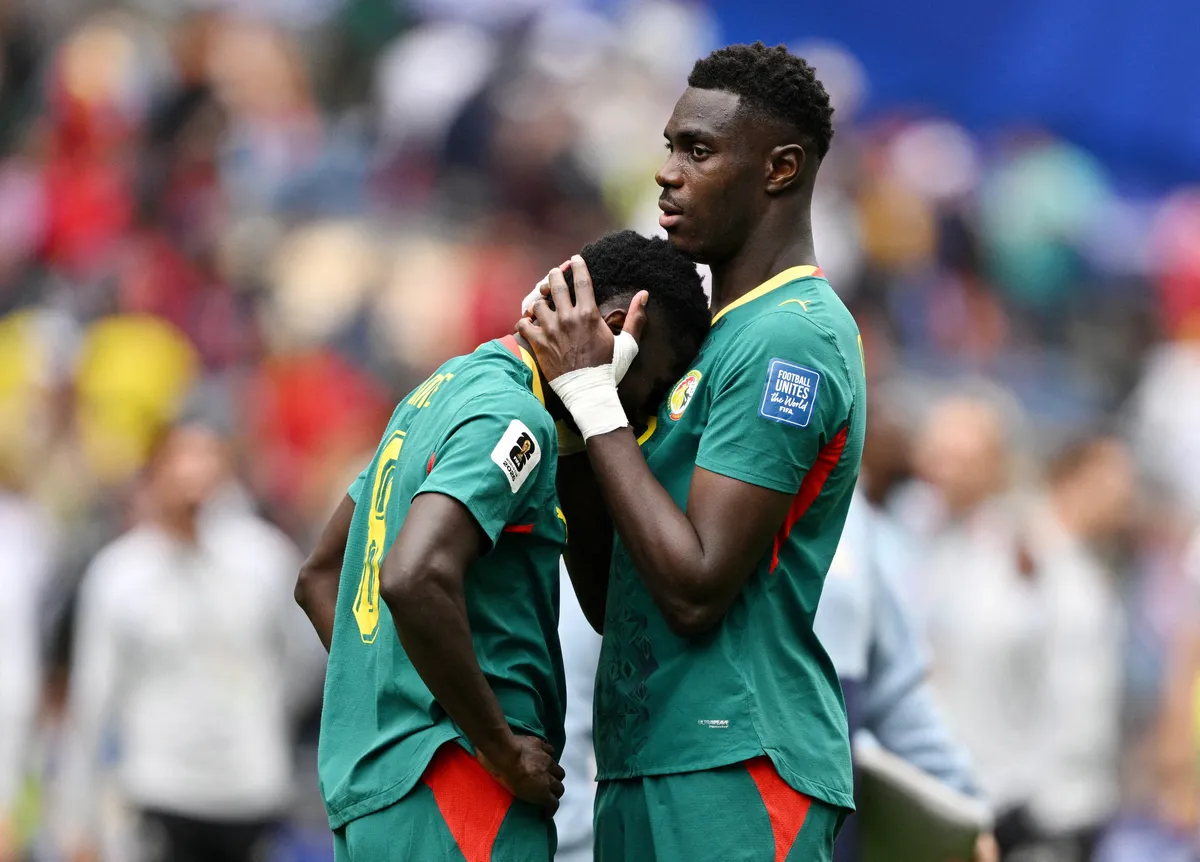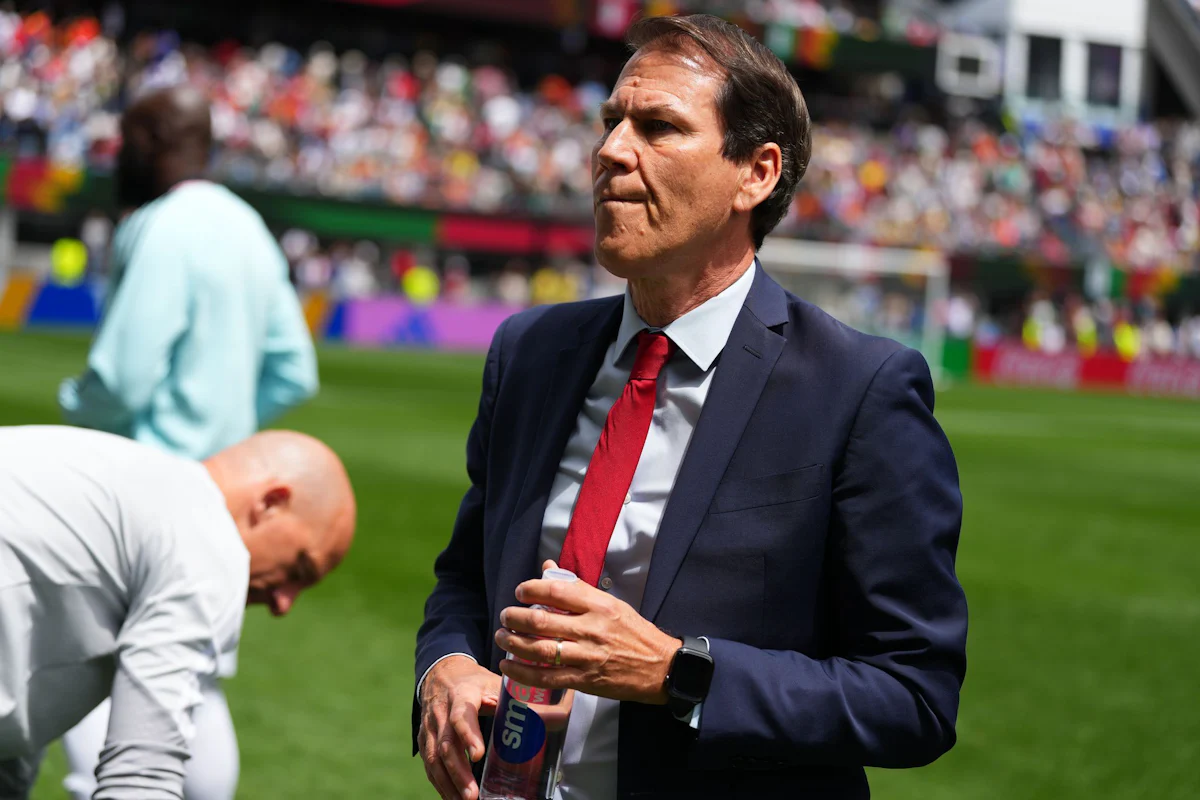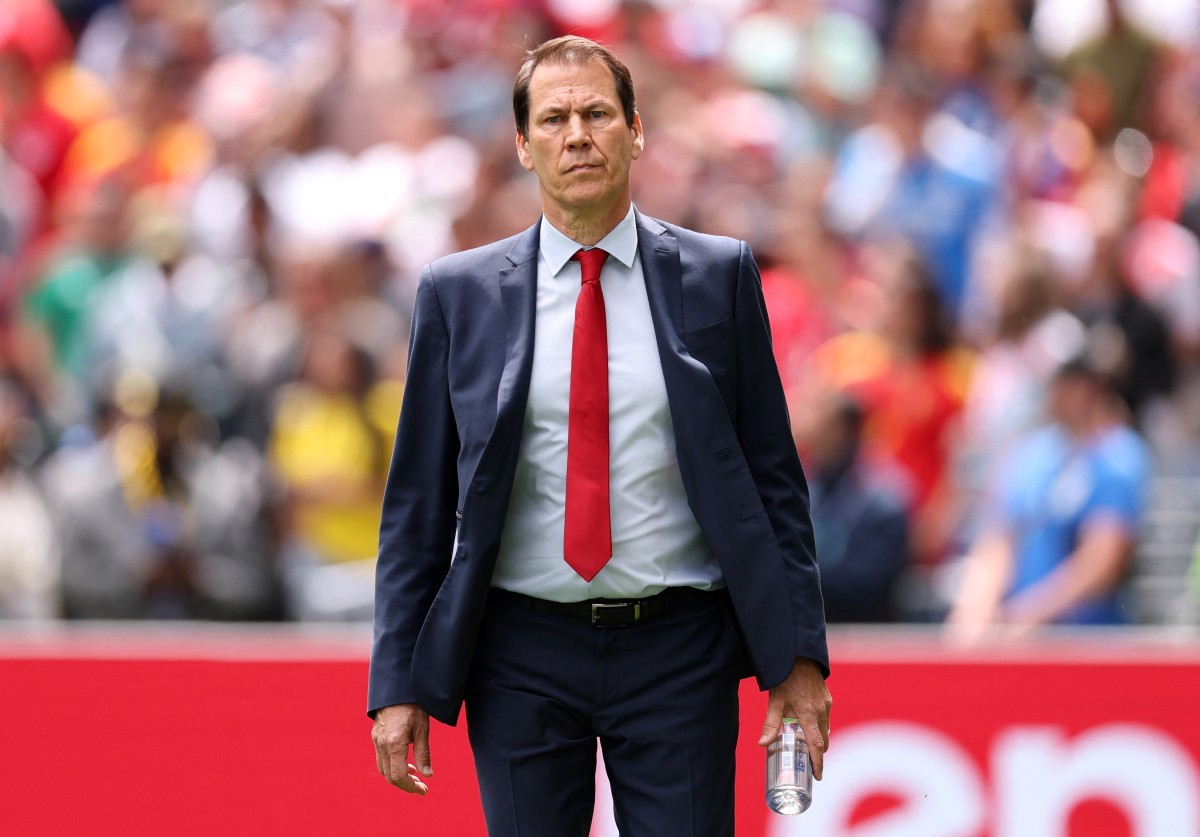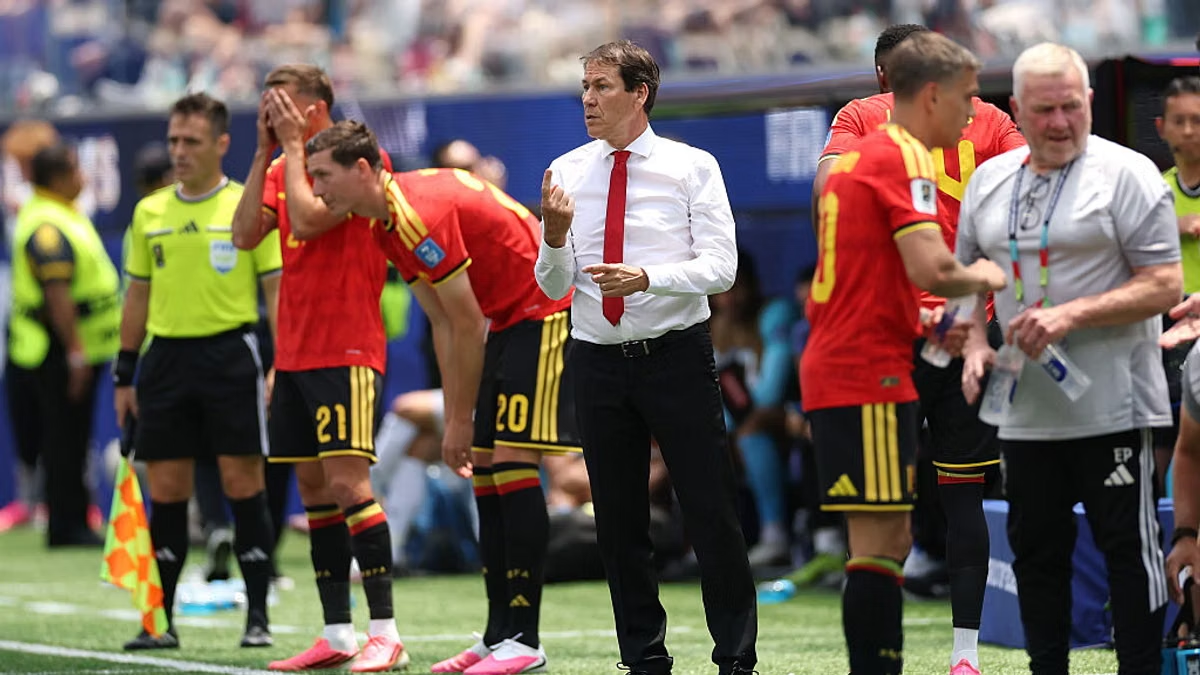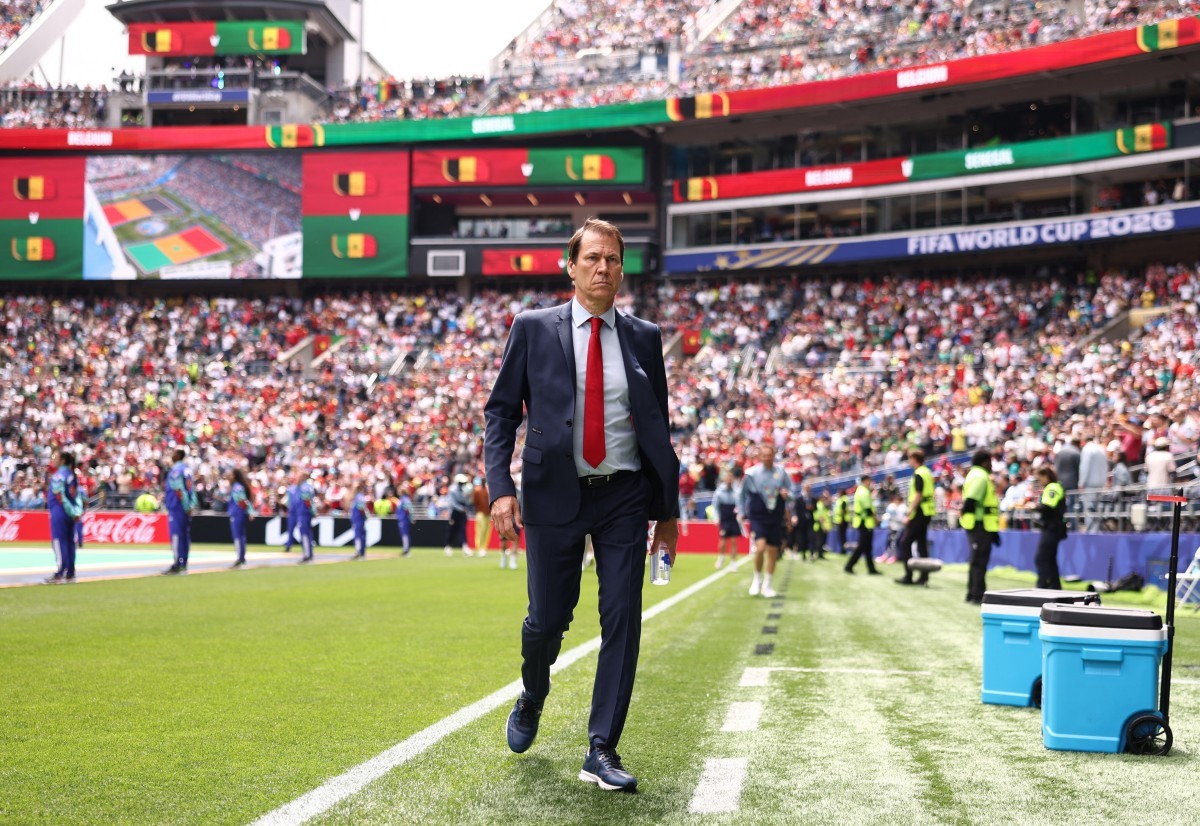
PARIS/NEW YORK, July 6 : Belgium coach Rudi Garcia’s description of Senegal as one of “those teams” that “tend to lose their tactical structure towards the end of the match” has reignited scrutiny of racially coded language at the World Cup.Garcia made the remarks after Belgium’s last-gasp comeback against Senegal on Wednesday. In a statement posted on social media two days later, Garcia said he had been “referring to teams unaccustomed to managing a lead in high-level World Cup matches” and that his comments could apply to teams from any region.But critics said Garcia's remarks drew on a deeper history of racial stereotypes that have long cast Black players and African teams as naturally powerful and instinctive, yet tactically naive, emotionally fragile or unable to withstand pressure. For scholars and anti-racism advocates, the controversy has exposed a recurring fault line in football coverage: how language presented as tactical analysis can still carry old racial stereotypes.“(It) is deeply racist in terms of the reproduction of racialized stereotypes about those teams, those teams, those African teams who lack the ability to control a game, to control themselves, and that comes from that colonial framework of the kind of animalistic tendencies that are projected onto Black people and onto Black populations,” said Ben Carrington, professor of journalism and sociology at USC Annenberg, whose research focuses on the intersection of race and sport.
Racist commentary about Black players comes under scrutiny at World Cup
PARIS/NEW YORK, July 6 : Belgium coach Rudi Garcia’s description of Senegal as one of “those teams” that “tend to lose their tactical structure towards the end of the match” has reignited scrutiny of racially coded language at the World Cup.Garcia made the remarks after Belgium’s last-gasp comebac
1,109 words~5 min read