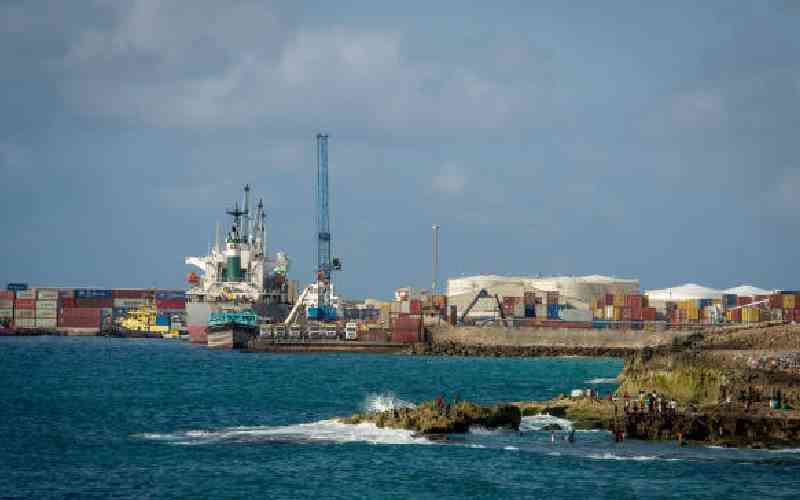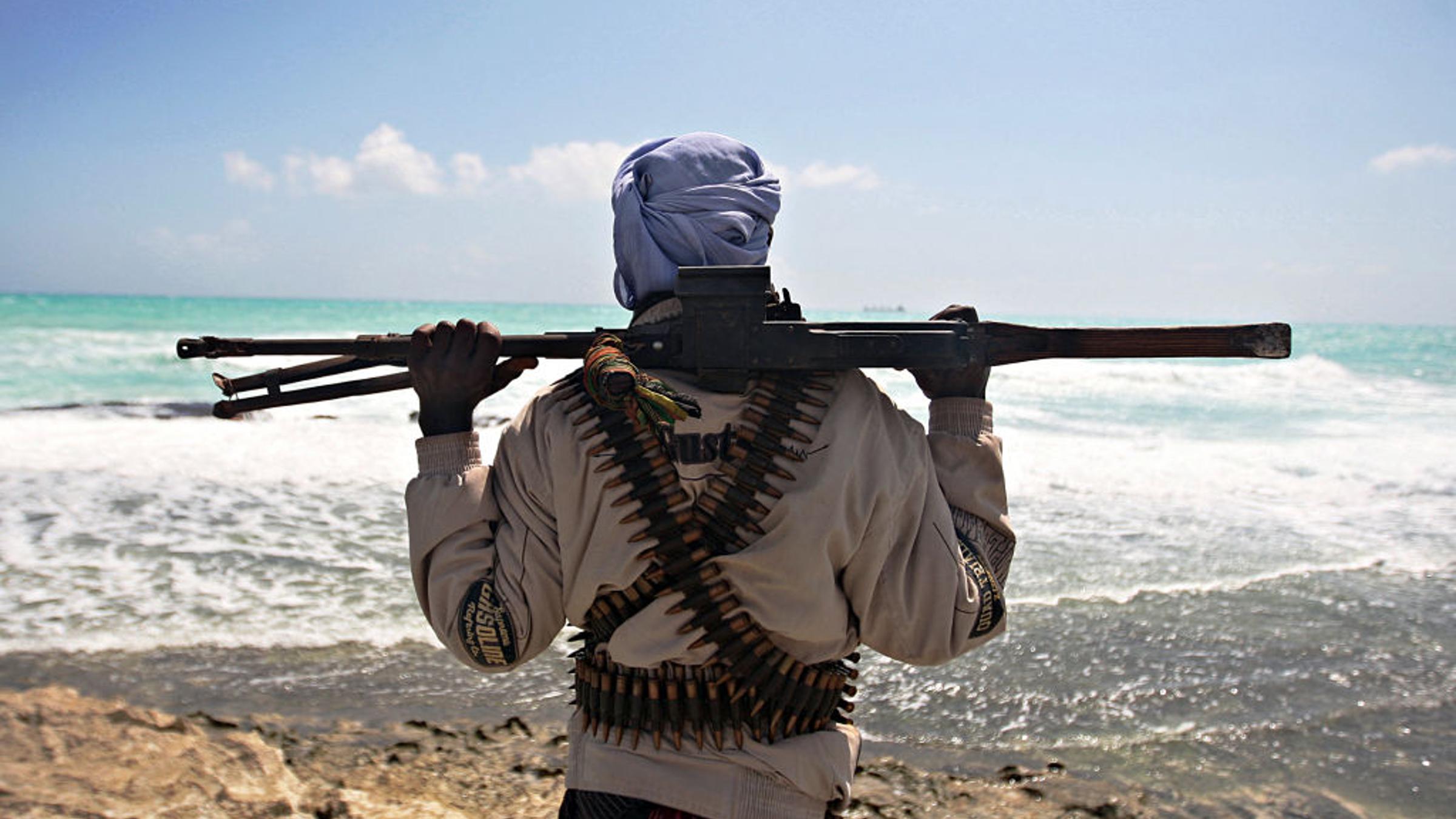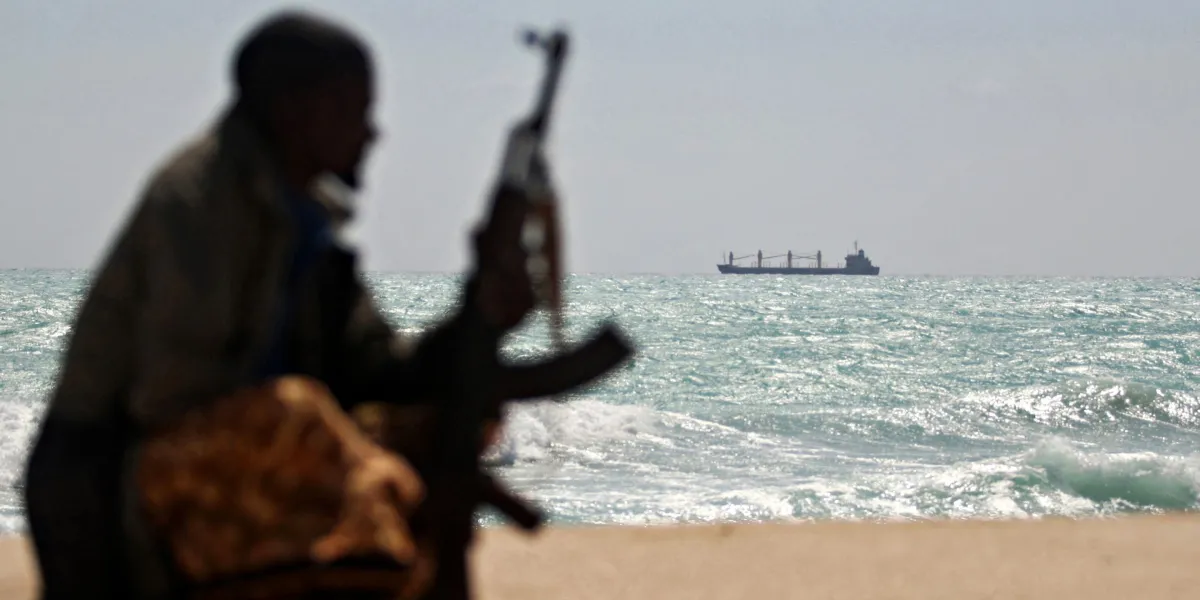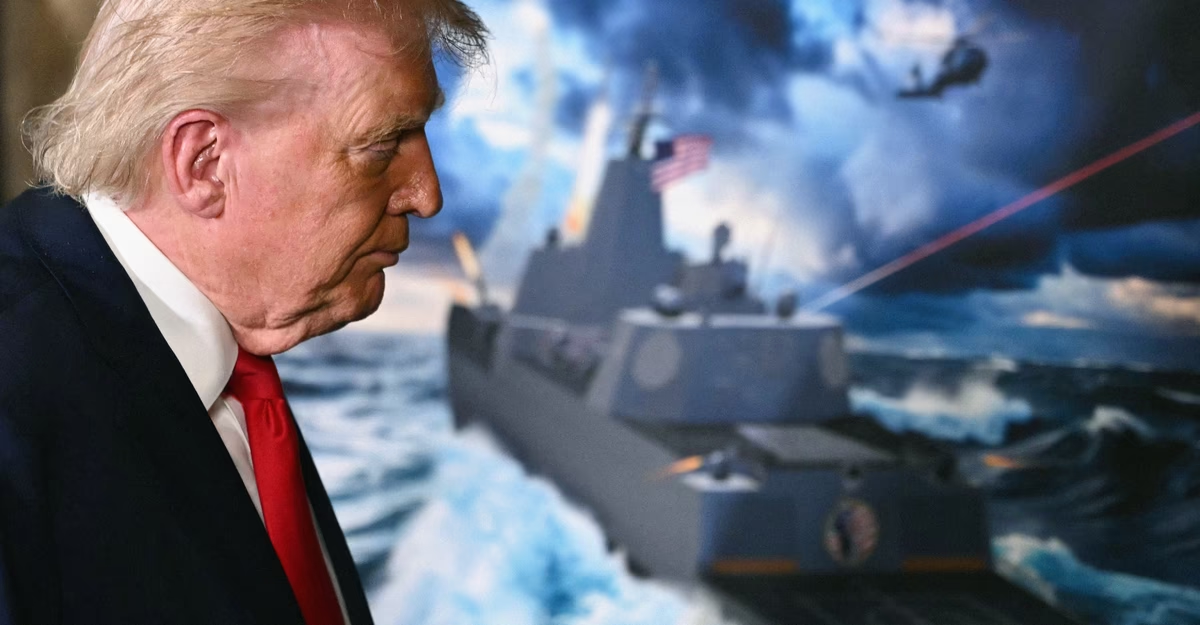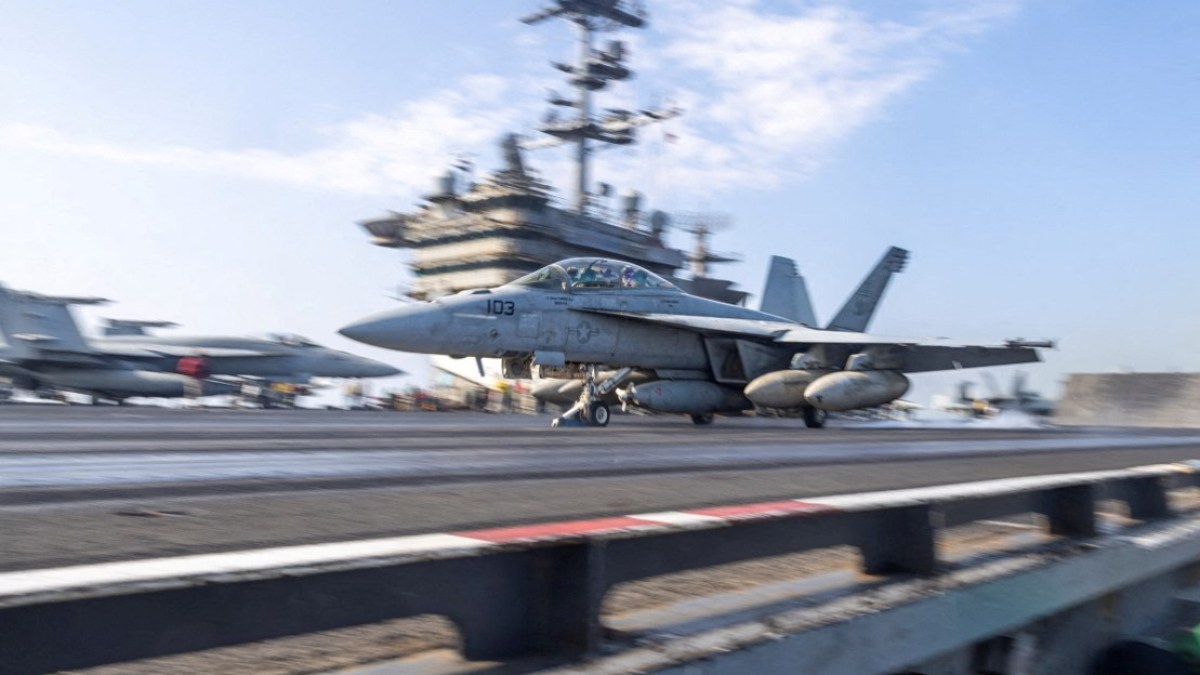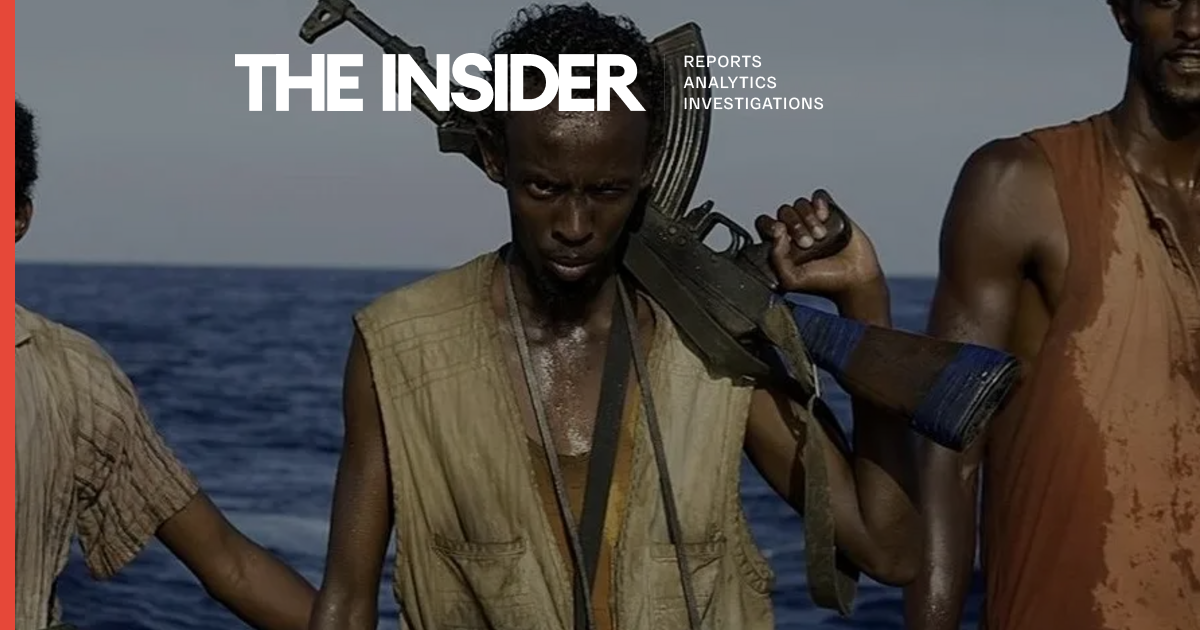
Donald Trump’s America First policy, his dismantling of USAID, and his war against Iran have led to the revival of the long-forgotten phenomenon of Somali piracy. Due to the actions of Trump and his Israeli allies, sea raiders around the Horn of Africa have once again become a serious threat to international shipping.Contents1.Echo of war2.A perfect storm3.Make Piracy Great Again“Who would have thought we were doing that? We’re like pirates,” Donald Trump joked, describing the capture of an Iranian tanker by U.S. forces in the Strait of Hormuz in early May. Iranian authorities, for their part, called American forces outright maritime marauders who, in violation of all norms and laws, seize foreign ships and appropriate their cargo. (However, it should be noted that the Iranians themselves, who terrorize vessels passing near their territorial waters, have also been accused of piracy.)For both the U.S. and Iran, seizing foreign ships and expropriating their cargo functions as a supplementary tactic in their respective warfare strategies. Notably though, the war has led to the return of genuine pirates — people who make their living from maritime robbery. A side effect of the new Middle Eastern conflict has been the resurrection of Somali piracy, which a mere twenty years ago was considered one of the foremost challenges to global security before finally being defeated — or so it seemed.Echo of warSomalia is an impoverished country, torn apart by separatists, jihadists, and simple bandits with no clear religious or political identity. Even today it remains on the official United Nations list of the world’s least developed nations.In the 1990s, when the country descended into a civil war that killed at least half a million people, things were even worse. The government disbanded, and the official armed forces ceased to exist. Some soldiers and officers deserted, and many joined militias or gangs. The navy vanished as well. Its few vessels were scrapped for metal, and the remaining ships and boats were sailed by their crews to ports in Yemen and Kenya.European and Asian fishing companies quickly exploited the absence of a central government and navy in the country, sending large trawlers into Somalia’s ungoverned territorial waters, where they fished without any quota restrictions. They also began dumping waste — often highly toxic and harmful to marine life — into the unguarded waters. Somali fishermen suffered no less than the fish: foreigners stripped them of their catch, condemning the fishermen and their families to famine.European and Asian ships began dumping toxic waste in Somalia’s unprotected waters
Roger is jollier than ever: Trump’s policies are making Somali piracy great again
Donald Trump’s America First policy, his dismantling of USAID, and his war against Iran have led to the revival of the long-forgotten phenomenon of Somali…
2,335 words~11 min read