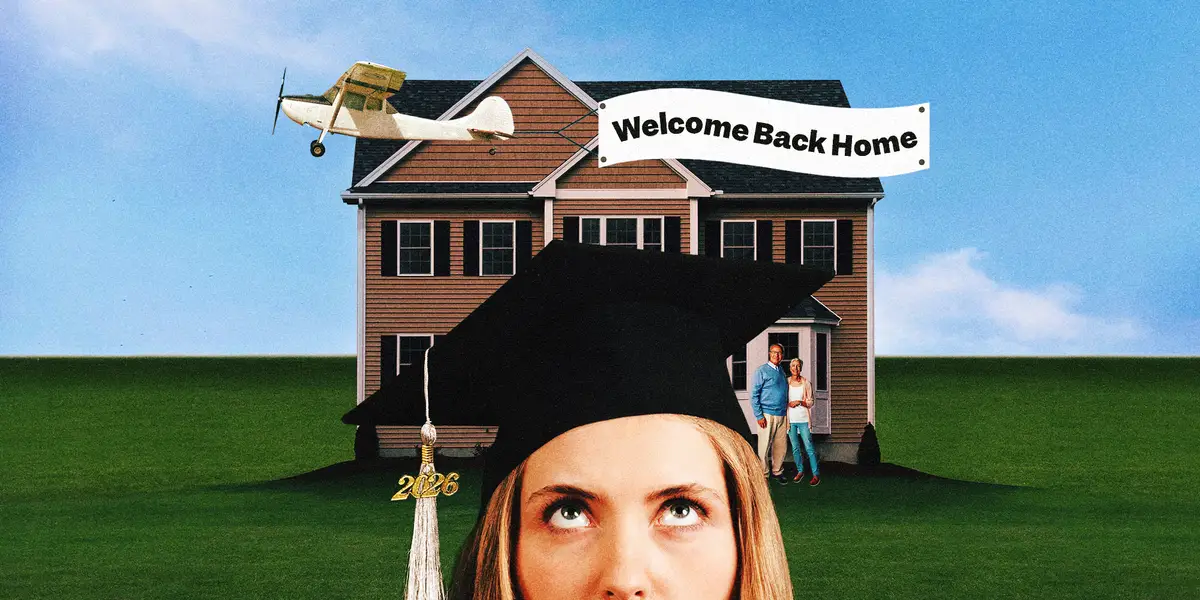
America foreclosed on Gen Z once. The risk now is that Gen Z finishes the job.
I wrote a piece last year that went semi-viral about the “Gen Z stare,” that labeling of young-adult awkwardness that goes far beyond the “millennial pause” in stereotyping a generation. But this interaction made me think it’s something else; it looks like the Gen Z sneer. This wasn’t the freeze response that researchers spent much of 2025 explaining (and excusing) but a worldview expressing itself casually, in the way that formed worldviews do: without effort, without doubt, and without interest in what you might say back.
I saw it in the discourse around Disclosure Day, Steven Spielberg’s much-hyped UFO opus, where younger audiences tagged the film “boomer-coded” and walked away. The film’s sincerity — the quality critics praised most — was met with a sneer rather than a response.
The stare was earned
Many Gen Zers’ formative years fell during the Great Recession, a period marked by a “jobless recovery” and a housing bust that led to a nationwide wave of foreclosures. The oldest Gen Zers were between 8 and 13 years old during the 2008-2010 foreclosure crisis, which displaced 3.8 million American families at its peak. They lived the experience of watching parents open an envelope, changing schools mid-year, the house that wasn’t there anymore. A generation was taught that the foundational promise of American middle-class life — work hard, the system holds — was simply revocable if you didn’t have enough cash in the bank.