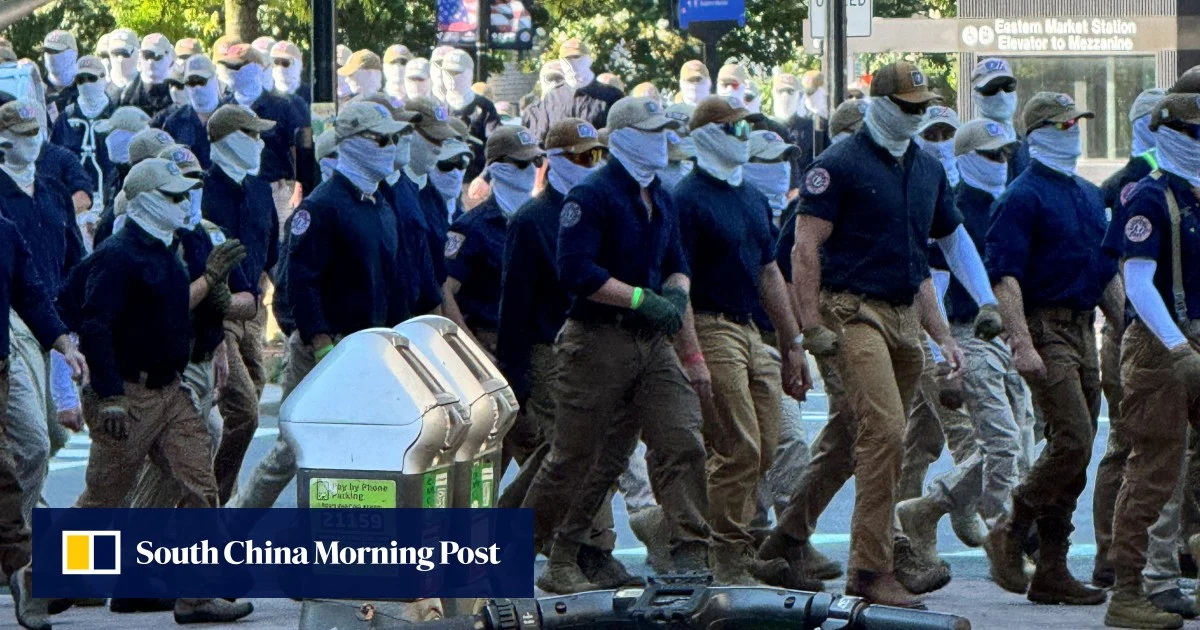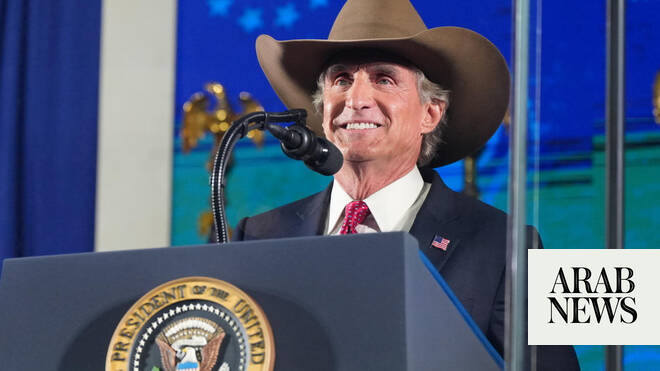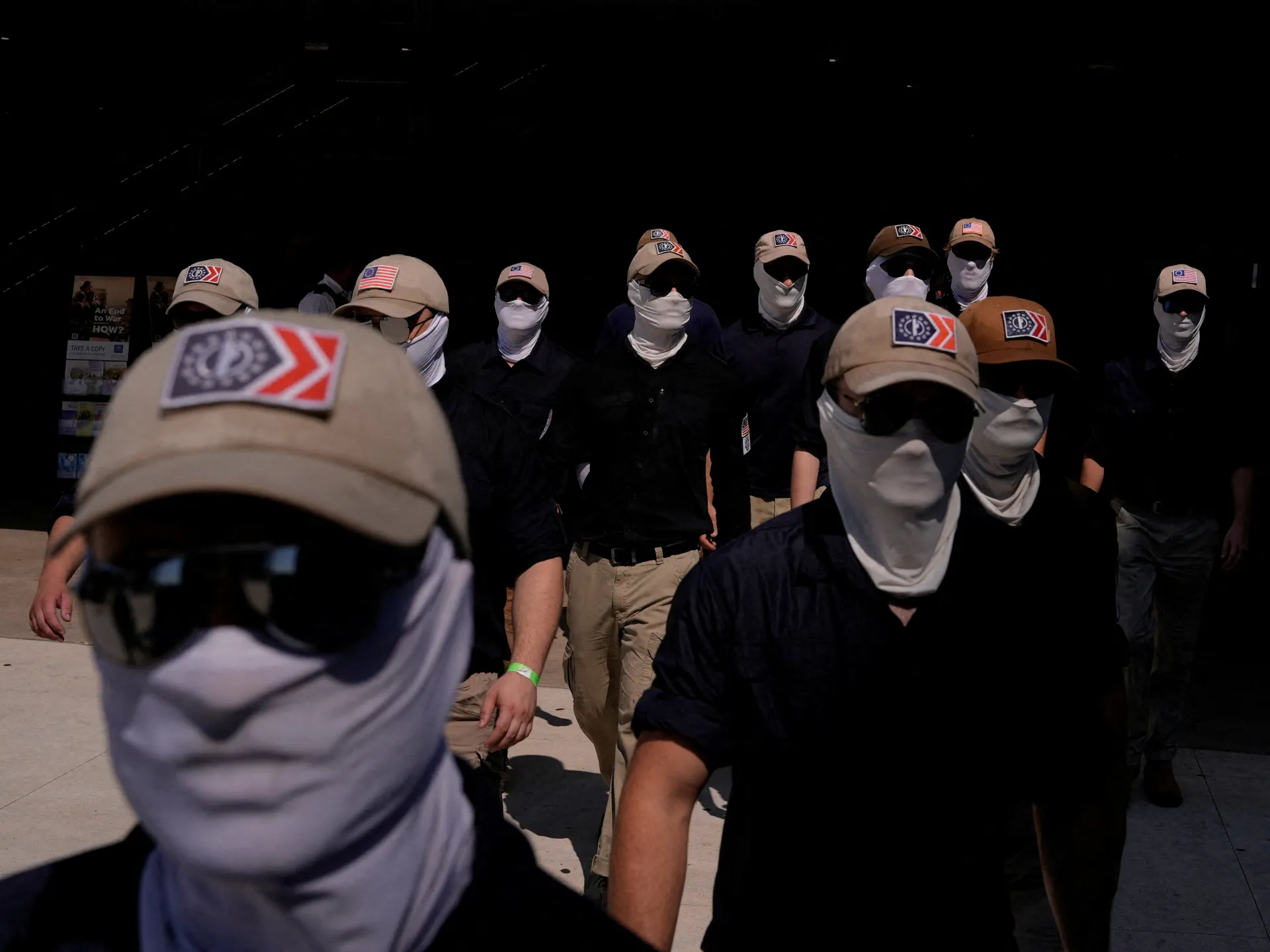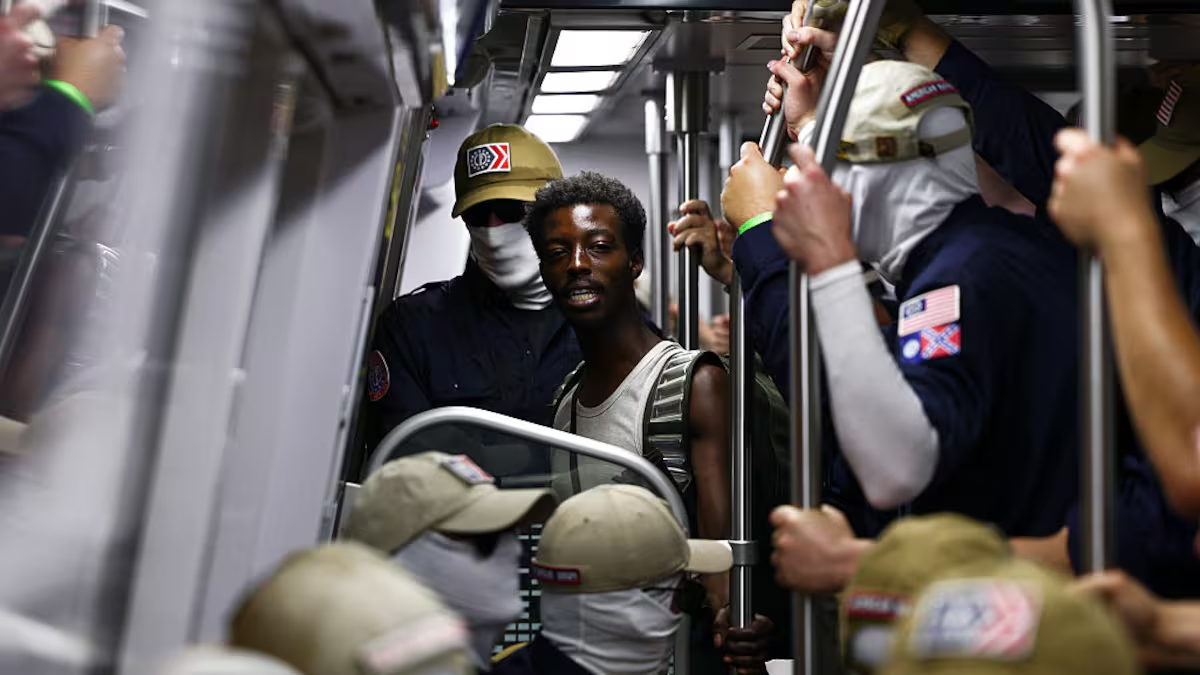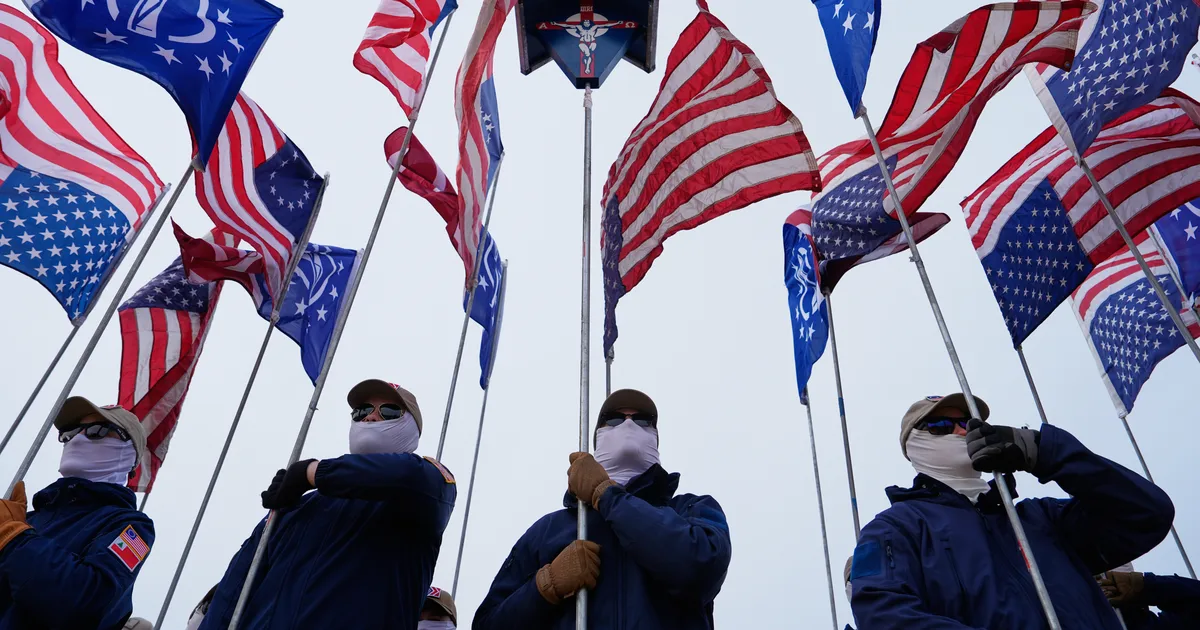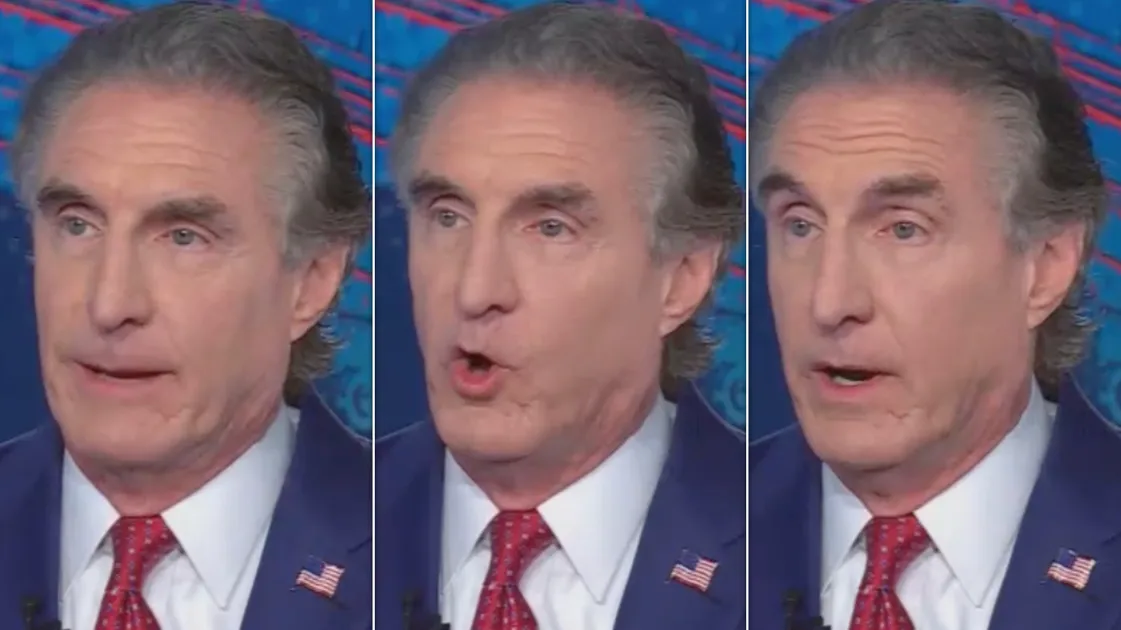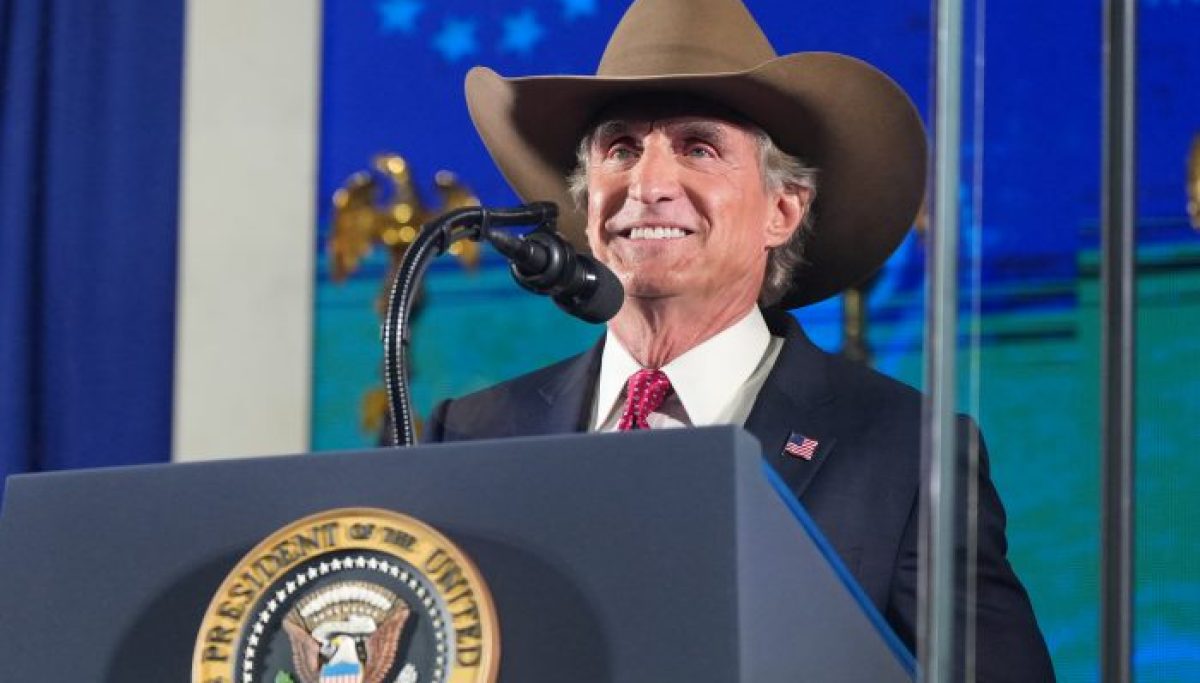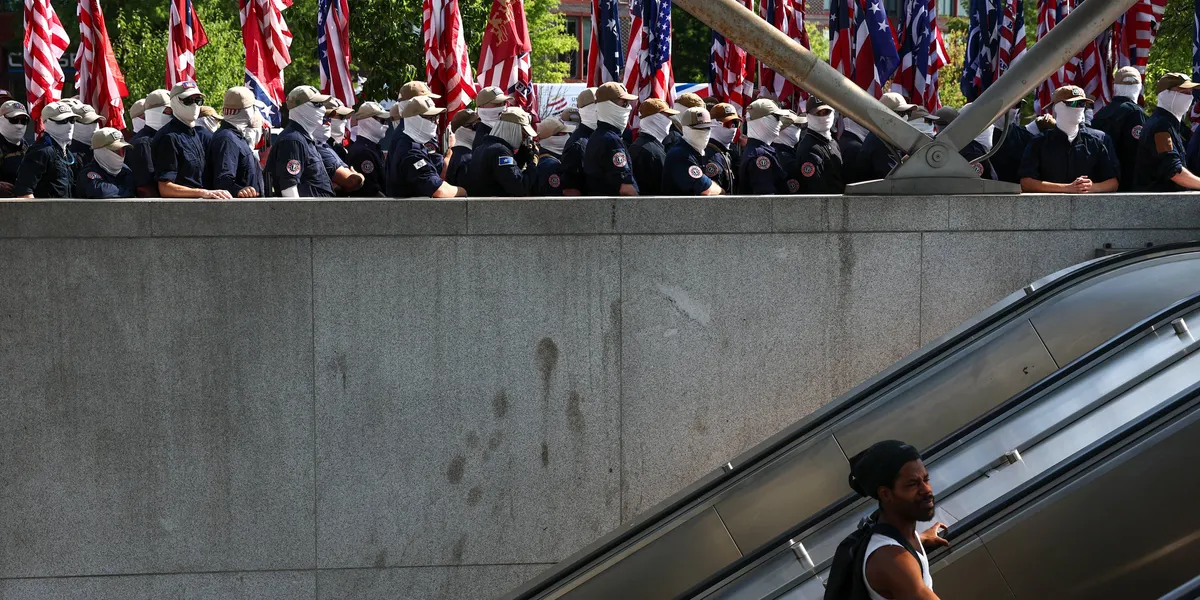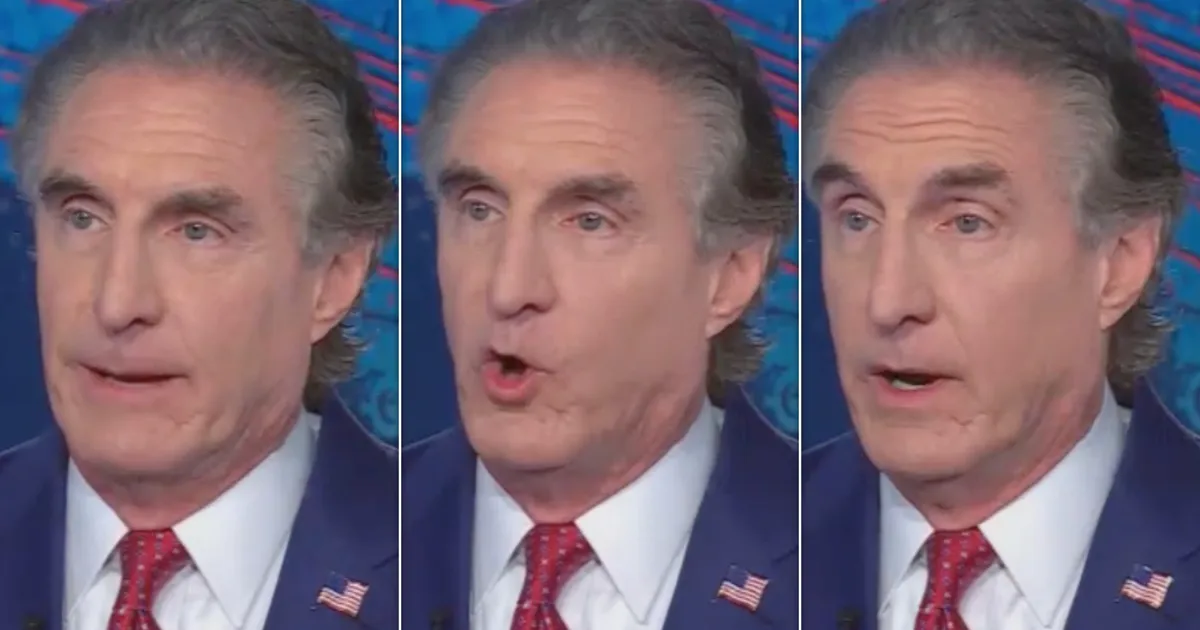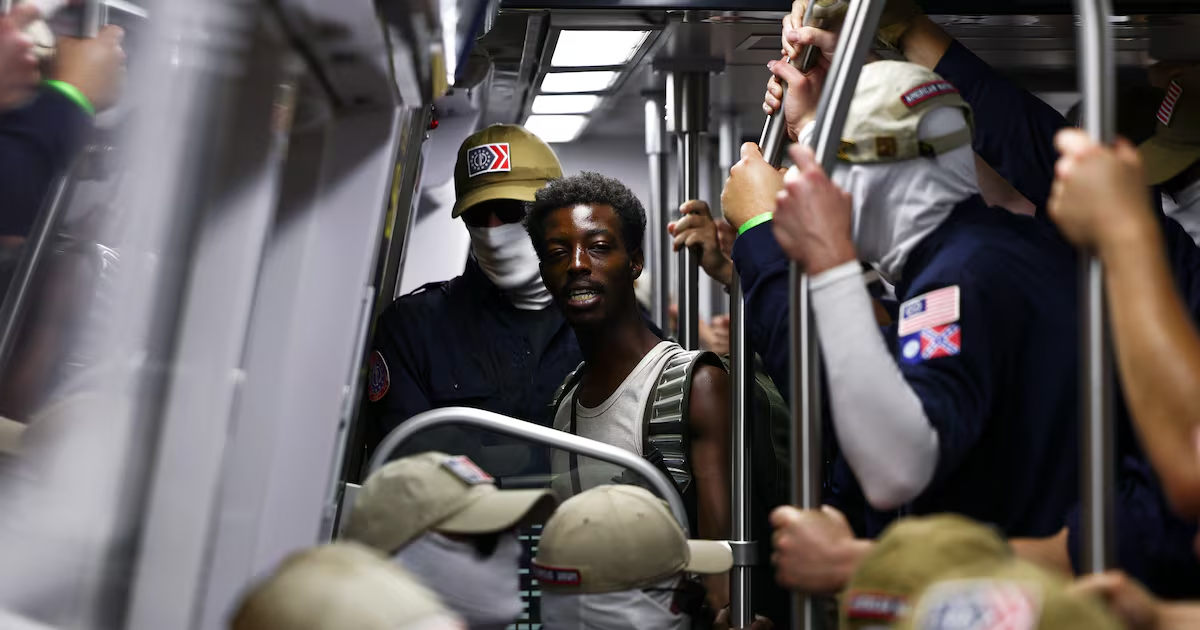
When Doug Burgum, the US secretary of the interior, made a Sunday morning appearance on CNN, he might have hoped to be asked questions pertinent to a victory lap for his department’s role in organising the July 4th national holiday events. Saturday’s programme in Washington including a militaristic extravaganza of flyovers, much Lynyrd Skynyrd-adjacent rock, a thunderstorm and what Burgum believed was a world-record breaking display of fireworks that brought the evening to a colourful if violently noisy conclusion.But Burgum knew he would also be asked about the march, in front of Union Station, by the white supremacist organisation Patriot Front. An estimated 400 men, masked and carrying flags including those of the Confederacy, were filmed marching in formation on Saturday. They reportedly marched towards the Capitol. Some were carrying Confederate flags. Among the slogans were Reclaim America and Life, Liberty, Victory – almost as banal as Life, Laugh, Love. One photograph depicted the group riding a city train, masked and hatted as a lone commuter, an African American woman, sat in her seat. After the brief, awestruck no-expense-spared, don’t-look-back-in-anger bipartisan pause of July 4th came the resumption of normal tensions on July 5th.“One of our foundational principles is free speech,” Burgum began carefully.“What they stand for is nothing I could possibly agree with. There are things that I might find offensive and personally reprehensible that in America free speech is allowed and this is a whole spectrum of things. We are a country that someone can run and be elected saying they are a communist, because we are about life and liberty and not about death and tyranny which we know communism has brought across the country, and across history.”While it wasn’t in line with president Donald Trump’s notorious “very fine people on both sides” comment after the Unite the Right Rally in Charlottesville, Virginia, in August of 2017 when neo-Nazis and white supremacist groups clashed with counter-protesters during the removal of the statue of Robert E. Lee, it was not an unequivocal condemnation either.Patriot Front is not a banned organisation, and in the eyes of many people there is an absurd and even pathetic element to the sight of grown men play-acting while in costume: the idea that yes, we’ll take reclaim the nation but first, let’s buy our Smart card and ride the Metro because it’s damnably hot.The march took place without incident, or even much public awareness, on Saturday. The heart of the city was almost completely deserted, as it is on most federal holidays while the majority of Trump supporters were already lining up for security screening to get on to the National Mall.But the presence of Patriot Front just a few minutes’ walk from the Capitol provided an uneasy reflection of the ethno-nationalist ideology espoused by key figures within Donald Trump’s support base, and the racial undertones contained within voter-fraud allegations with which the president and his cabinet have persisted.It was just after 11pm when Trump appeared before supporters on the National Mall to deliver a July Fourth speech that was almost rained off. His address was curtailed and highlighted major touchstones and figures over the 250-year history. But he returned to a favourite theme at one stage, telling the audience: “We want to keep America great, and we will do so by approving the Save America Act which means all voters must show voter ID. All voters must provide a little thing called ‘proof of citizenship’.”Trump had caused consternation within the Republican Party on Capitol Hill last week when he refused, just minutes before the announcement was due to take place, to sign a rare piece of bipartisan legislation. Both parties had agreed by a strong majority to pass a housing Bill designed to prevent large investors from buying up single-family homes and also delivering easier access to smaller mortgages. Members of the white supremacist group Patriot Front ride the Washington Metro during Fourth of July celebrations. Photograph: Finn Gomez/Getty Images This was the rarest document: a piece of legislation that politicians from both sides could wave before their constituents without fear of outcry. Trump used it as a form of barter, stating that he would not sign it until the Safeguard American Voter Eligibility Act was passed. It was the only legislation he cared about. Everything else, he said, was “a big yawn”.So, his July Fourth reference was another sharp rebuke of his Republican lawmakers, one which House Speaker Mike Johnson clearly heard.“The president has that as a top priority, and so do I,” Johnson said on a Fox television interview on Sunday morning“We passed it three times in the House. We’re going to try one more time on a budget reconciliation Bill, and I think that will be the way to get it through the Senate, and finally, to the president’s desk. That eliminates the problem, all the fraud and everything that everybody’s concerned about in our elections, particularly, frankly, in these blue states.”Johnson is hoping to advance the Act through the use of a budget framework, therefore requiring only a basic majority rather than a two-thirds. Other Republicans are doubtful that the strategy will stand up to the rules of the forms of legislation eligible for consideration within the budget framework.The SAVE America Act is the sharp edge of Trump’s relentless claims of voter fraud, and his repeated claims that the Democrats had somehow stolen the 2020 election. Democratic leaders have framed the legislation as part of a broader GOP effort, along with the sweeping redistricting of electoral maps, to suppress voter turnout.Meanwhile, the July Fourth celebrations offered a sneak preview of the strategy the Republicans will use to try to reverse their bleak polling numbers between now and the November midterm elections. They have communism on their minds after a series of high-profile Democratic socialist election wins in Democratic states. In his “American Exceptionalism” speech at Mount Rushmore on Thursday: Trump told his audience: “You can be loyal to Karl Marx, or you can be loyal to America. You can be a communist or a patriot, you cannot be both.”White House communications director Steven Cheung described the speech, somewhat optimistically, as “one of the most important remarks in America’s 250 years. High on America, low on communism”.But it signals the GOP intent to frame the Democratic bid to reclaim control of the House and Senate as a coming wave of radical socialism as evinced by New York mayor Zohran Mamdani. The recent results are arguably concerning for Democratic standard-bearers too as they reflect the ongoing turmoil within a Democratic Party unable to rid itself of a blurry crisis of identity.“I think what our party has to go through which would be very healthy – and something we have not really done since the 1992 election cycles – is to have a battle over what we believe in,” Pennsylvania governor Josh Shapiro – widely touted as a Democratic presidential candidate – admitted over the weekend. “And then come out unified on the other side in a way we can take the fight to the other side and really deliver for the American people.”But it’s impossible for that cleansing to take place before November, leaving the Trump administration with an opportunity to exploit the Democrats’ incoherent voice.
The Patriot Front white supremacists represented the dark side of America on July 4th
Donald Trump has persisted with voter-fraud allegations that contain racial undertones
1,206 words~5 min read