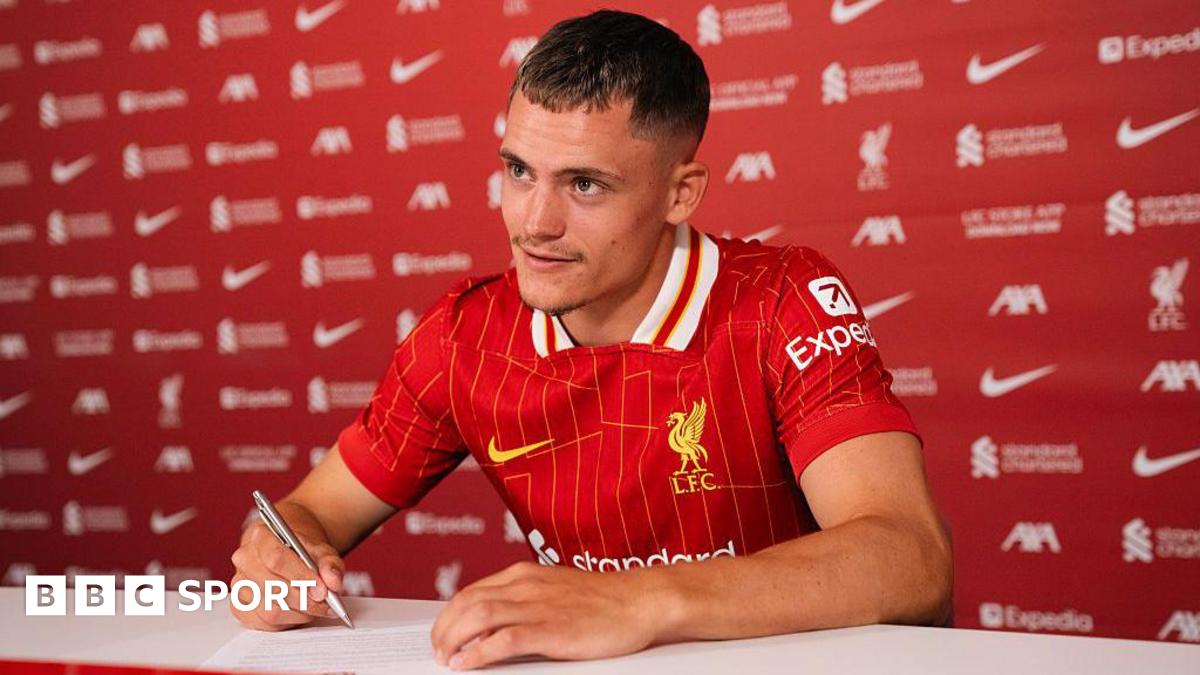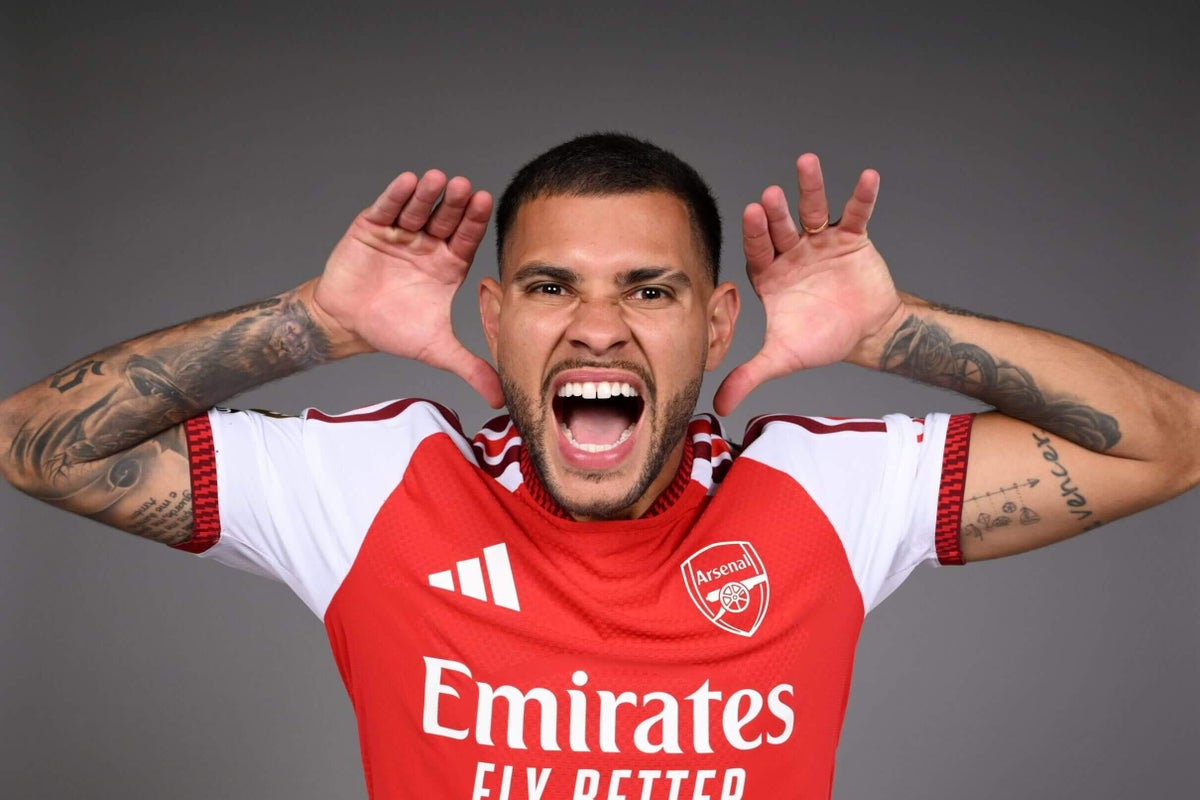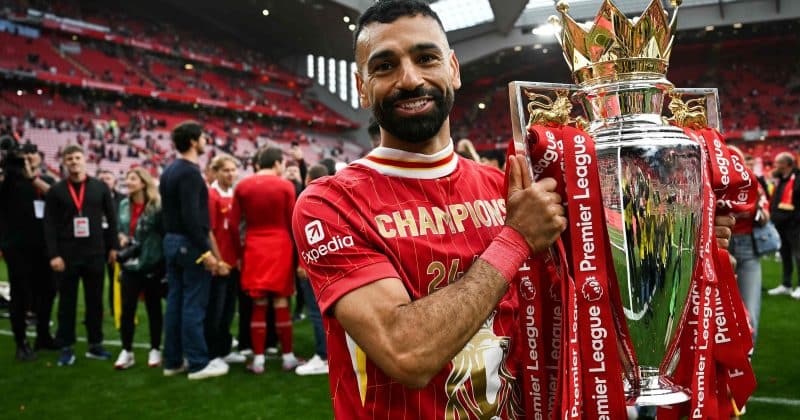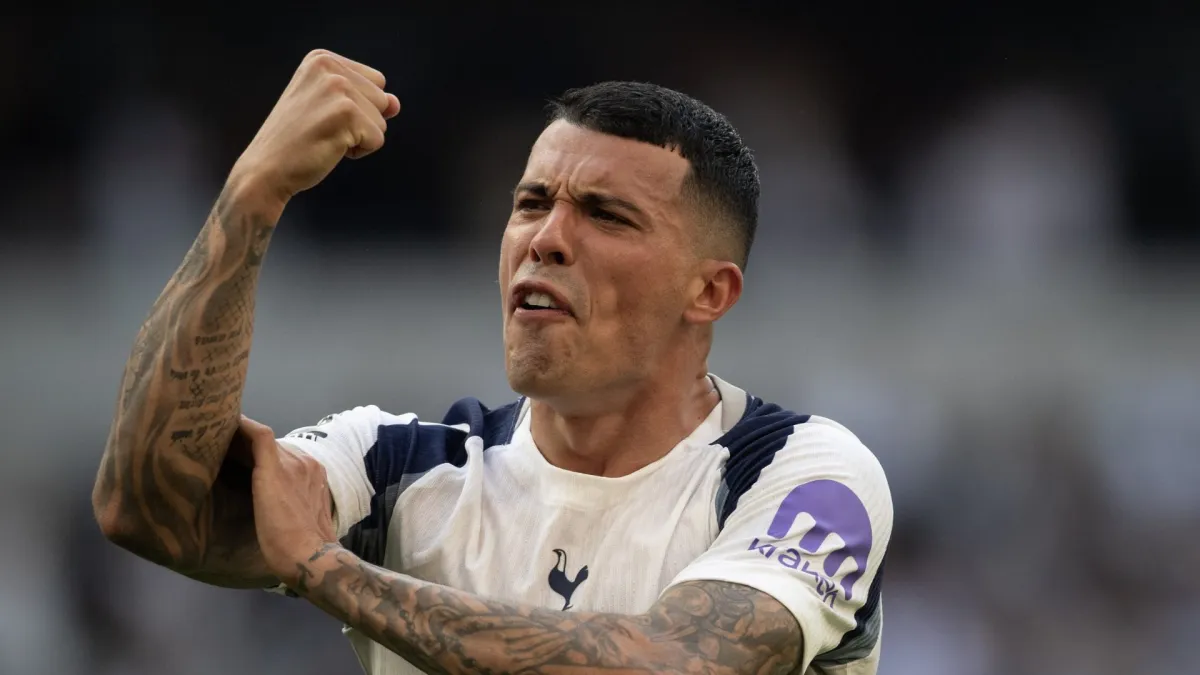
The Premier League’s ‘Big Six’ are on the hunt again.After last summer’s transfer window was characterised by the league’s financial powerhouses harvesting talent from their domestic competitors, the biggest moves of this window so far suggest that trend is set to continue.An agreement has been reached for Elliot Anderson to join Manchester City from Nottingham Forest for £116m. Sandro Tonali is on the move from Newcastle United to Tottenham Hotspur for a package worth up to £100m — which will break the club record that Spurs set earlier in the week with the £85m signing of Mateus Fernandes from West Ham United.If the ‘Big Six’ — by which, in this context, we mean the richest and most powerful clubs (Arsenal, Chelsea, Liverpool, Manchester City, Manchester United, and Tottenham Hotspur) — have their way, hunting season is not over.Arsenal made a verbal offer to Newcastle for Bruno Guimaraes. Chelsea had an £8m bid for Sunderland captain Granit Xhaka rejected and are interested in Aston Villa’s Morgan Rogers along with Arsenal. Bournemouth’s Alex Scott is drawing interest from Manchester United and Arsenal.Ornstein on Alex Scott’s transfer status David Ornstein and Mark CritchleyAll those deals involve the Premier League’s traditional powerhouses attempting to poach from their domestic competitors — and in all cases, the would-be sellers insist their stars are not going anywhere, or that it will take an enormous sum to persuade them otherwise. How long can they hold out?As ever, much depends on finances. Close examination of Villa’s situation reveals why they are determined to secure a huge fee for Rogers if he departs — with Anderson’s record fee their benchmark — and why they might face pressure to sell.Villa’s major concern is a UEFA settlement agreement, which will see them banned from Europe for a year if they breach it. The agreement limits their 2026-27 losses to zero, increasable by whatever headroom they had under a 2025-26 €60million (about £51.4m) loss limit.That headroom seems likely to be fairly limited, meaning they will need to notably improve finances in 2026-27. They will benefit from revenue from the Champions League this season, but they still made a significant loss in the 2024-25 season when they were in the competition.Under the settlement agreement, in 2027-28, Villa will be assessed over the three seasons up to and including 2026-27, and need to be within the usual acceptable limit of €60million (English clubs usually do not get the theoretical possible extension to €90m) across those three seasons.The club made a significant football earnings loss in 2024-25 and are expected to have lost a chunky sum in 2025-26 too — so will need to turn a big profit in 2026-27 to be compliant and avoid a one-year ban from UEFA competition. If clubs come calling with offers in the hundreds of millions for Rogers, that will surely play a role in their thinking.Morgan Rogers is wanted by teams in the ‘Big Six’ (Steph Chambers – FIFA/FIFA via Getty Images)Bournemouth are newly grappling with UEFA restrictions, having qualified for European competition for the first time in their history. They are likely to be compliant with the football earnings rule: they were profitable in 2024-25, and it seems likely that will be the case in 2025-26. Though their accounts are not yet available, significant sales — such as Antoine Semenyo (£62.5million), Ilya Zabarnyi (£54m) and Dango Ouattara (£37m) — and an estimated extra £27m in Premier League TV payments paint a positive picture.They are now also subject to UEFA’s squad cost ratio (SCR) rule, calculated over a calendar year, and this is more likely to pose an issue in spite of increased turnover and player sales. The Europa League only offers limited revenue, and the small size of their ground means an increase in money from ticket sales will also be limited. Player sales are averaged over three years in SCR calculations, so the boost from these is limited in the immediate term.In 2024-25, Bournemouth already carried a £158million wage bill and £69m in player amortisation costs; it appears difficult for the club to limit their squad cost to 70 per cent of their income.That does not necessarily mean their stance on Scott will change: Bournemouth insist he is not for sale, and are attempting to tie him down to a new contract. There is an argument that unless the club were in danger of breaching by a large margin and facing a heavier punishment from UEFA, taking the hit of a monetary fine, akin to those several English clubs have received for UEFA SCR breaches, might be worth it to keep hold of their best players and bolster their squad.And what of Newcastle? Financial considerations have forced them to let go of players before: Elliot Anderson’s sale to Nottingham Forest in 2024 was one example. Anthony Gordon’s €80million (£69m) move to Barcelona was partly to raise the funds needed for serious investment in the squad this summer.The good news is that the huge sales they have made in recent windows — of Alexander Isak for £125m last summer, and now Gordon and soon Tonali — will have drastically improved their bottom line. Newcastle’s absence from Europe for 2026-27 means they only need to comply with the Premier League’s 85 per cent squad cost threshold rather than UEFA’s stricter 70 per cent, though they will of course hope to be back in Europe the season after and should prepare accordingly.Painful as some of the exits are at St James’ Park, they should mean that, financially, there is no pressure to make further sales. Of course, though, that is not the only factor. Newcastle know all too well the sway that individual ambition can have in negotiations: it was ultimately Isak making clear his desire to move and effectively going on strike that forced through his transfer to Liverpool last summer.A player’s contractual position also evidently influences the selling club’s strength in negotiations. The fact that Anderson was under contract at the City Ground until 2029 meant Forest could drive a hard bargain without an imminent risk of losing him on a free transfer. Rogers signed a new deal in November that commits him to Villa until 2031, strengthening their hand. There are two years left on Scott’s current Bournemouth deal.Last summer ended with a huge move, and that is how this window has started. Villa, Bournemouth, Newcastle and their peers are determined that if more headline transfers are to follow, it will be on their terms — and in most cases, they might have the financial power to ensure that is the case.Jul 6, 2026Connections: Sports EditionSpot the pattern. Connect the termsFind the hidden link between sports terms
The ‘Big Six’ are hunting Premier League talent. Clubs want to hold out. Can they?
Aston Villa, Bournemouth, Newcastle and their peers are determined that if more headline transfers are to follow, it will be on their terms
1,110 words~5 min read