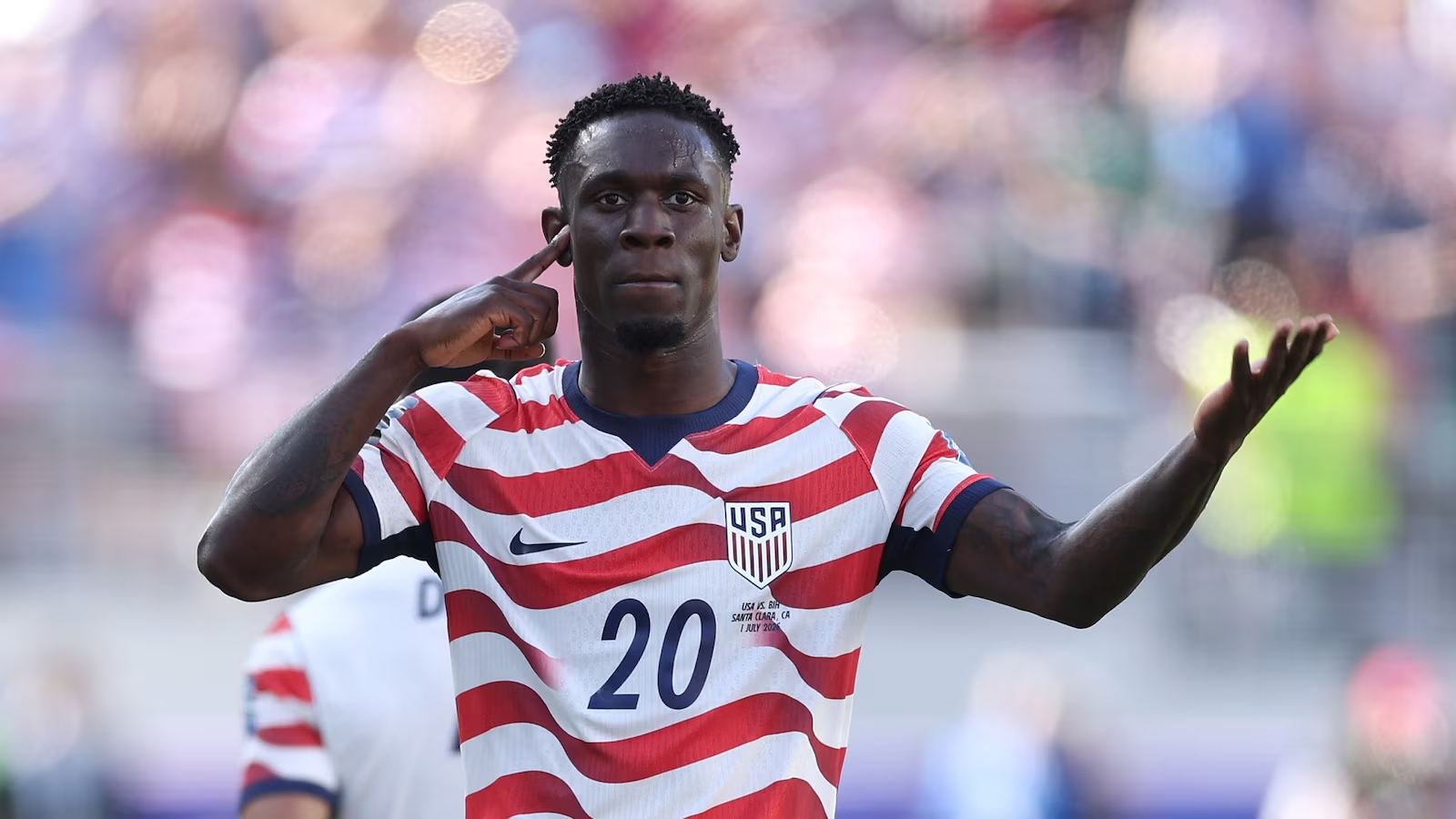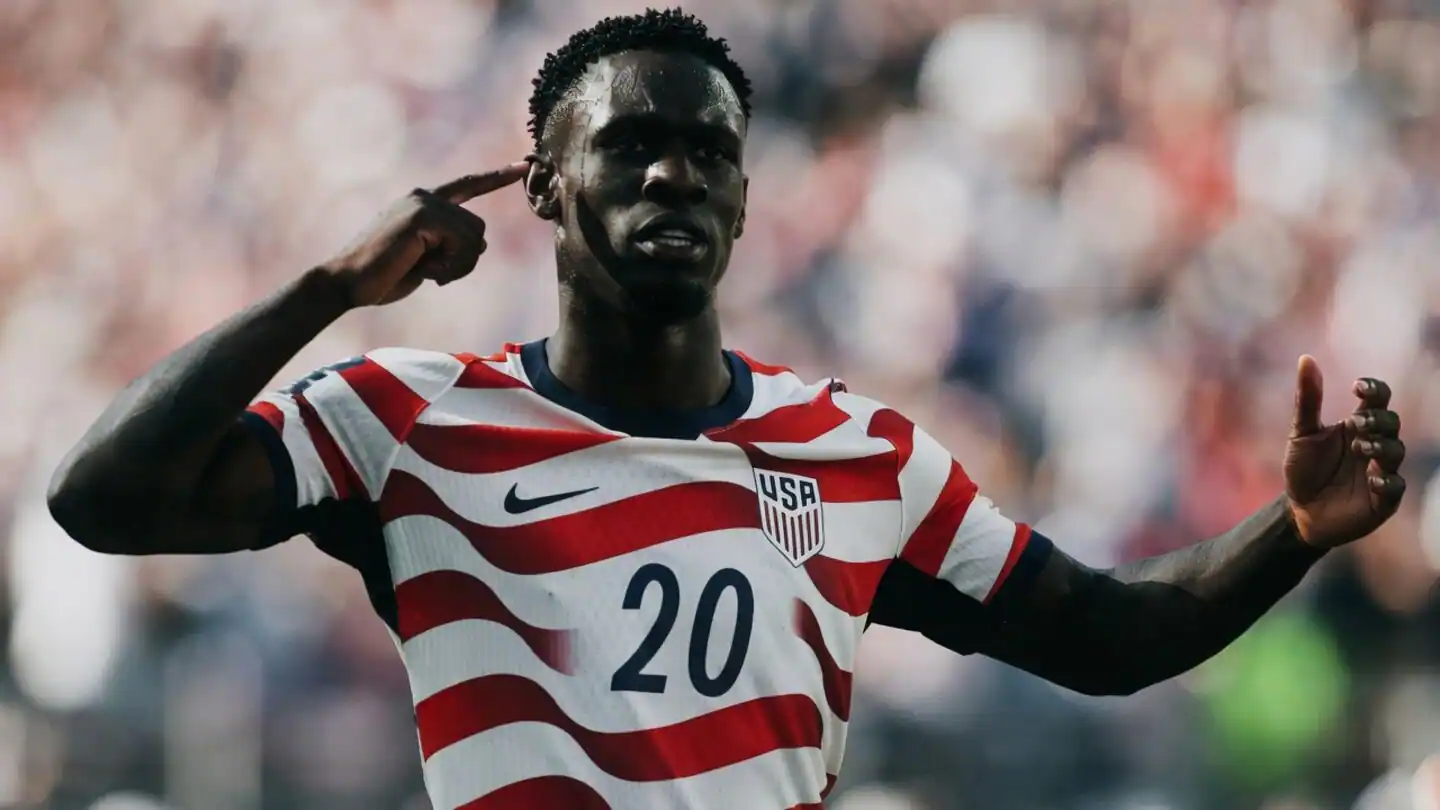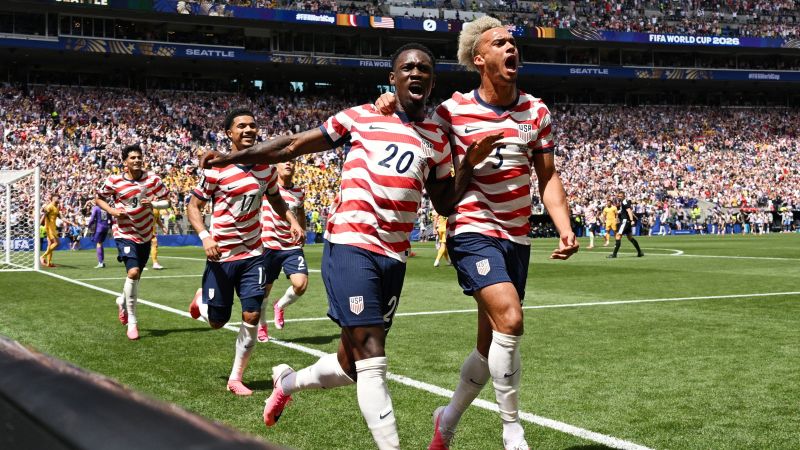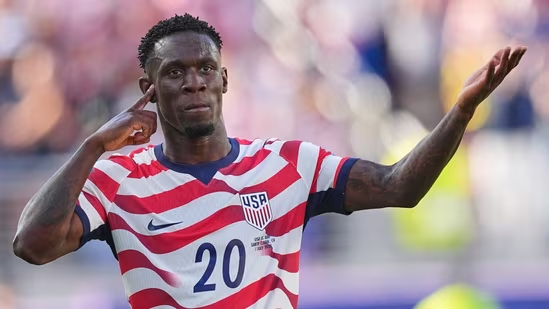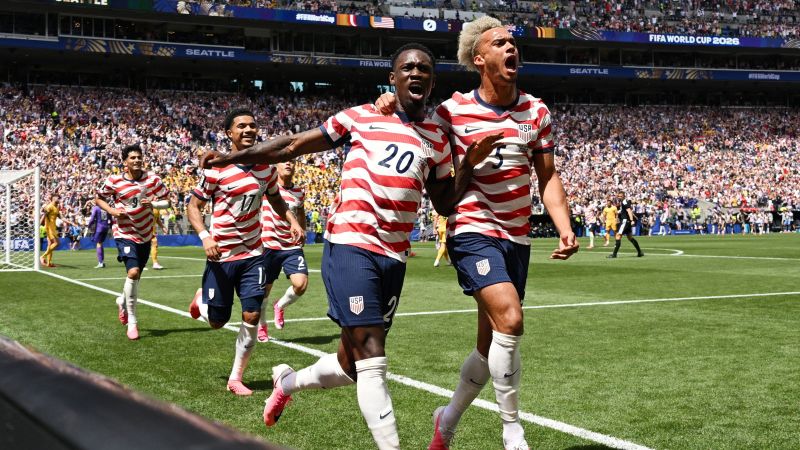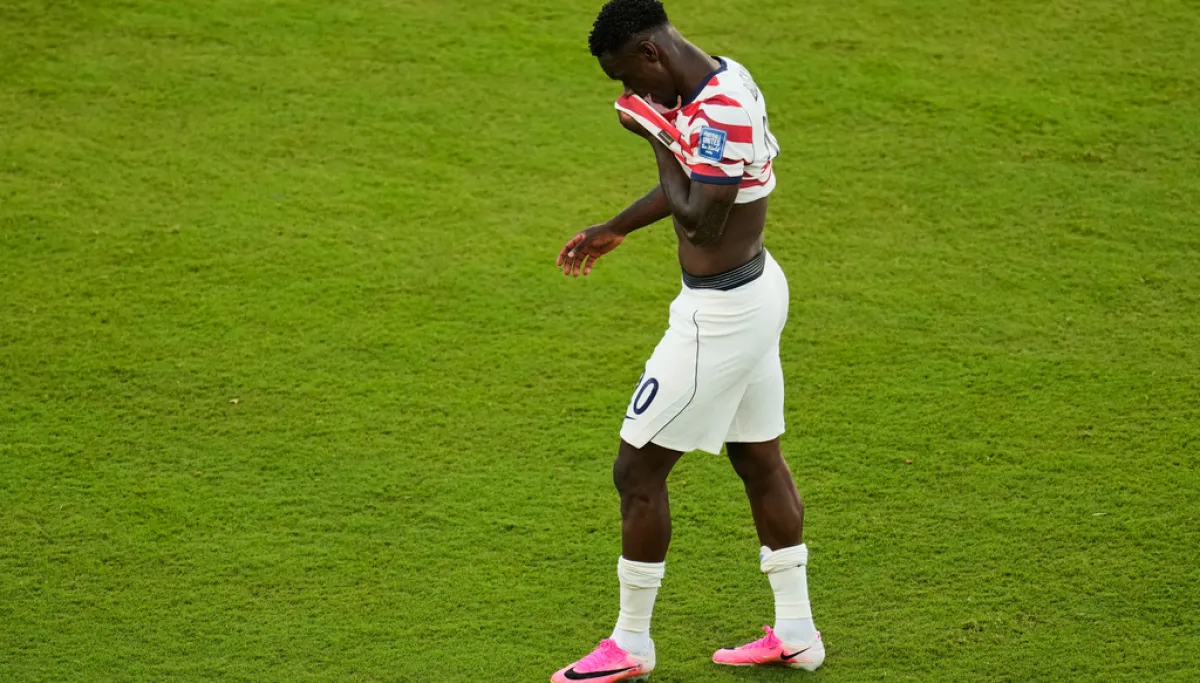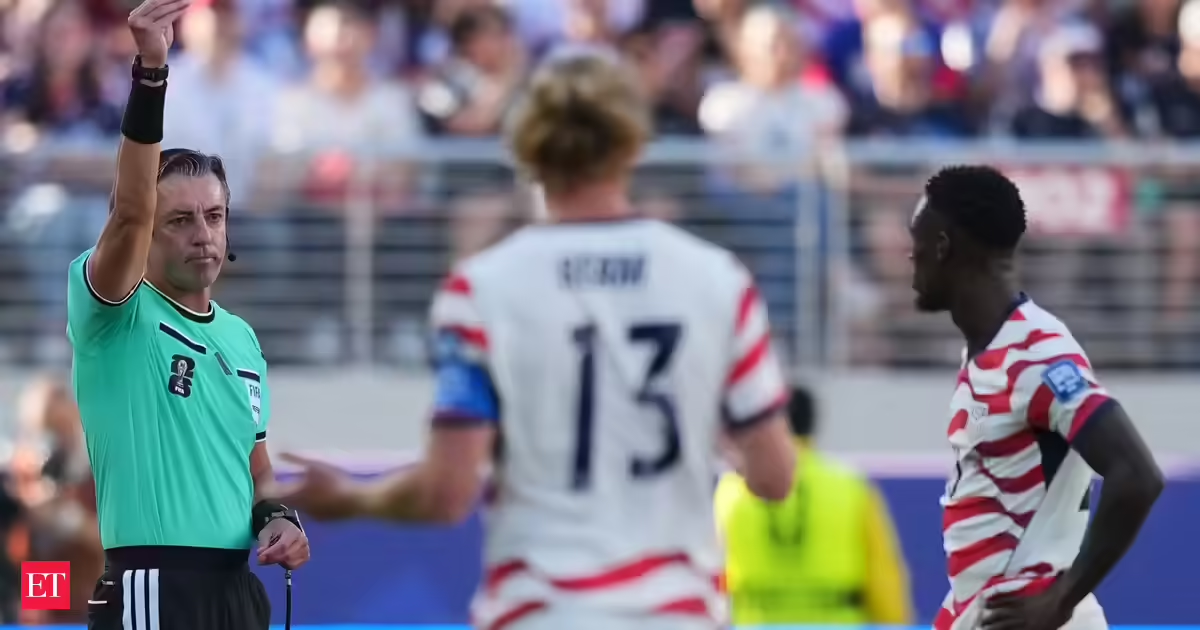
United States striker Folarin Balogun will be available for his country's FIFA World Cup Round of 16 clash against Belgium on Monday after FIFA suspended the implementation of his one-match ban following a red card in the previous round by invoking Article 27 of the governing body's Disciplinary Code. The sanction itself has not been cancelled. Instead, FIFA has temporarily suspended its implementation under Article 27, allowing Balogun to feature against Belgium while keeping the disciplinary punishment in force should the conditions attached to the suspension later be breached.Also Read: Trump intervention sparks World Cup storm as FIFA clears Balogun to face Belgium Article 27 allows FIFA to suspend the implementation of a disciplinary sanction. Although the sanction remains valid, it does not have to be served immediately unless the suspension is revoked at a later stage. Under the Disciplinary Code, FIFA's judicial bodies have the authority to suspend the implementation of either all or part of a disciplinary sanction. However, the regulations do not set out the specific circumstances in which a judicial body may choose to suspend a punishment. The judicial bodies covered under the code include FIFA's Disciplinary Committee and the Appeal Committee, both of which have responsibilities in disciplinary matters arising from international football competitions.Also Read: Tearful Neymar ends international football career When a sanction is suspended under Article 27, the player is placed on a probationary period lasting between one and four years. If the player commits another infringement of a similar nature during that period, the suspended sanction automatically comes back into effect in addition to any fresh disciplinary punishment imposed. In Balogun's case, FIFA has suspended the implementation of his match ban for a probationary period of one year. The Disciplinary Code also makes clear that not every disciplinary measure is eligible for suspension. Sanctions relating to match manipulation are specifically excluded and cannot be suspended under Article 27. FIFA's Disciplinary Committee is made up of a chairperson, a deputy chairperson and additional members. Both the chairperson and deputy chairperson must be qualified lawyers, while the committee can take decisions only when at least three members are present. Mohammad Al Kamali of the United Arab Emirates is currently the chairperson of FIFA's Disciplinary Committee. Members of the committee are elected by the FIFA Congress for four-year terms and may serve a maximum of three terms. Article 27 has also undergone a numbering change in recent years. It was listed as Article 26 when FIFA updated its Disciplinary Code in 2019 before becoming Article 27 following another revision in 2023.
Article 27 of FIFA's Disciplinary Code: The FIFA twist that allows US' Folarin Balogun to play despite seeing red card
US striker Folarin Balogun will play against Belgium in the World Cup Round of 16 after FIFA suspended his one-match ban. Invoking Article 27, FIFA has temporarily put the red card sanction on hold for one year. While the ban remains valid, Balogun can compete now, but a future similar offense will reactivate the suspended punishment.
426 words~2 min read