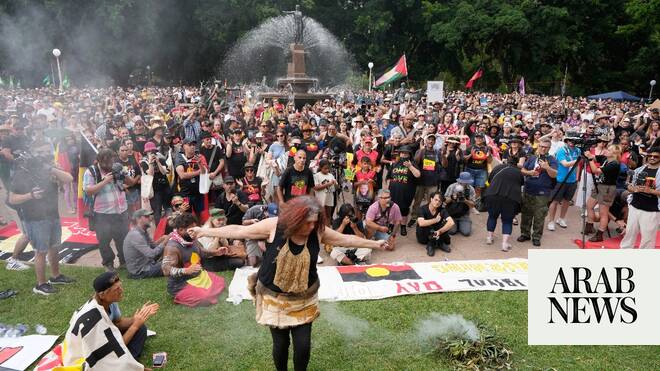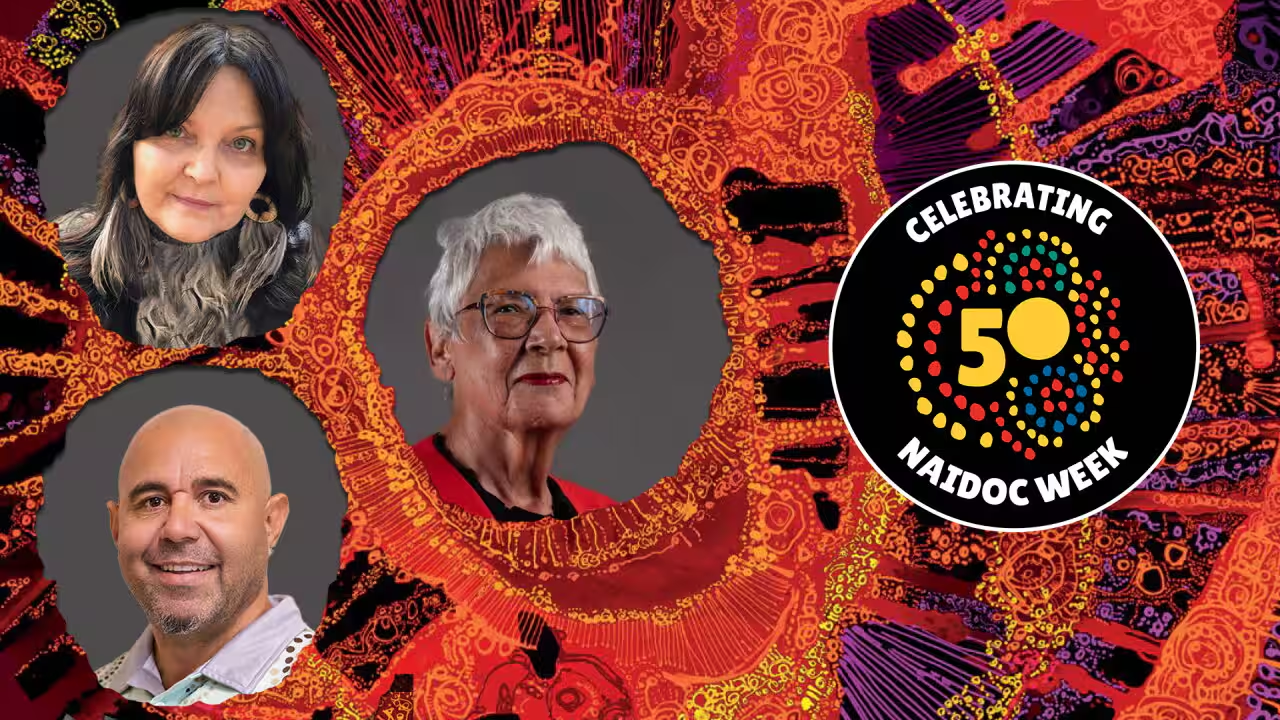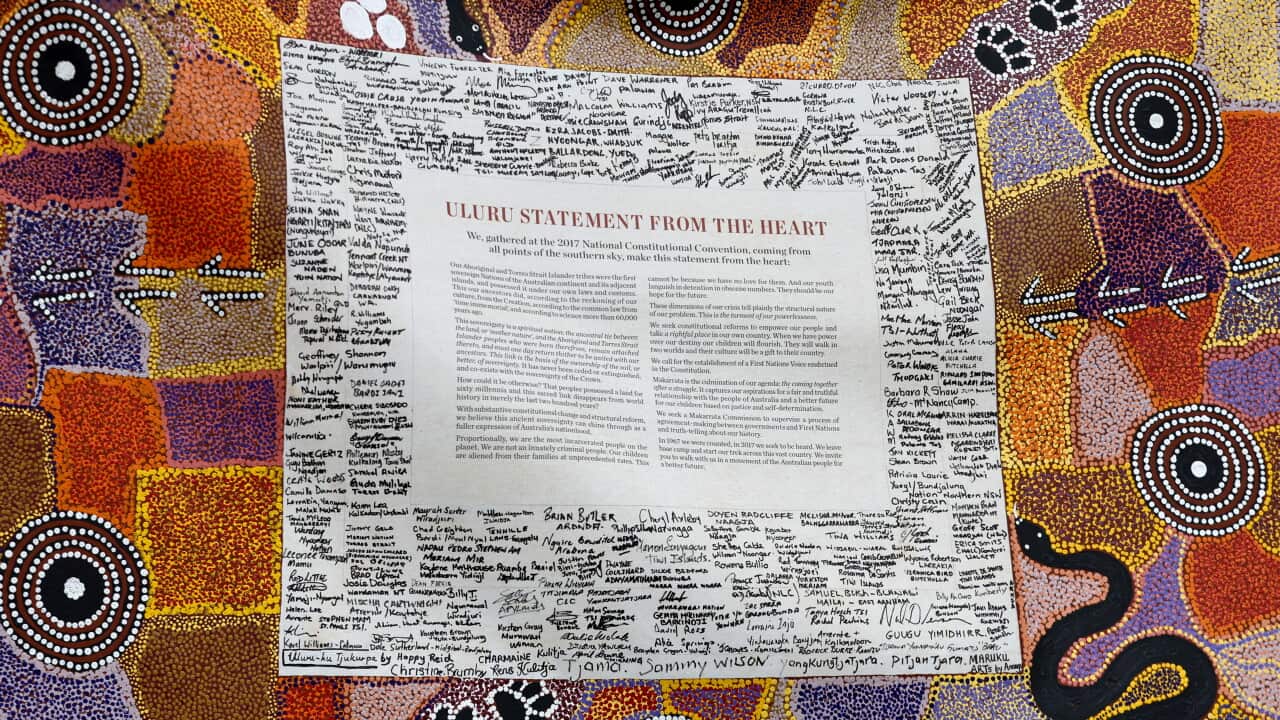
One of the biggest misconceptions about Naidoc Week is that it’s simply a celebration.While it is a time to celebrate, it grew from an Aboriginal political movement. Its origins lie in the 1938 Day of Mourning, when Aboriginal leaders gathered on 26 January to protest against 150 years of colonisation and draw national attention to discrimination, dispossession and the denial of basic human and civil rights.The Day of Mourning was one of Australia’s first major civil rights protests. It challenged the triumphant national story being told about colonisation and instead demanded citizenship and justice for Aboriginal people.That spirit of resistance and collective action continues to define Naidoc today. While the week has evolved into a national celebration of Aboriginal and Torres Strait Islander cultures and achievements, its foundations remain firmly rooted in the pursuit of justice, equality and self-determination.An expanding celebrationOver the decades, what began as a single day of protest grew into one of Australia’s most significant national observances. Aboriginal organisations continued to push for recognition, rights and justice, ensuring the movement did not lose momentum.In the 1950s, the annual Day of Observance was moved from January to July to distinguish it from Australia Day and encourage broader community participation. Moving the observance away from Australia Day also allowed Aboriginal communities to commemorate the occasion on their own terms, rather than alongside celebrations of colonisation.By 1975, it had expanded into a week-long event.In 1991, the National Aborigines Day Observance Committee changed its name to the National Aboriginal and Islanders Day Observance Committee (Naidoc), formally recognising Torres Strait Islander peoples alongside Aboriginal peoples.While the committee itself gave Naidoc its name, today the acronym is most commonly associated with Naidoc Week, which is celebrated in communities across Australia.Decades of advocacyOne of the most interesting things about Naidoc is that, if you look back over the annual themes, they tell a story of Aboriginal and Torres Strait Islander political priorities over the past decades. They capture what communities were advocating for at particular moments in time.Early themes focused on self-determination, land rights and treaty, while others challenged Australia to confront its history and recognise the ongoing impacts of colonisation.More recent themes have celebrated the strength of Aboriginal and Torres Strait Islander women, Elders, languages and young people, while also emphasising truth-telling, caring for Country and Indigenous sovereignty.The themes – such as Voice. Treaty. Truth, Always Was, Always Will Be, and Heal Country – were never simple slogans. They have reflected the conversations Aboriginal and Torres Strait Islander peoples were having about the future we wanted to build. The themes provide a remarkable timeline of Aboriginal and Torres Strait Islander aspirations, achievements and the issues that continue to shape our lives today.Perhaps the greatest achievement, though, is that Naidoc has managed to hold on to its political beginnings while becoming one of Australia’s most widely recognised national events. Every year schools, workplaces, sporting clubs, governments and communities take part.That visibility matters because it creates opportunities to learn, celebrate and have conversations that might not otherwise happen.50 Years of DeadlyThis year’s theme, 50 Years of Deadly, is particularly significant because it highlights that Australia has been celebrating Naidoc as a week-long celebration for half a century. The committee’s website describes it as:
Naidoc Week isn’t just a party – it’s a protest pursuing justice and self-determination for Indigenous Australians | Bronwyn Carlson for the Conversation
Naidoc Week is an invitation to engage with Aboriginal and Torrest Strait Islander history and reflect on the work that still needs to be done
865 words~4 min read