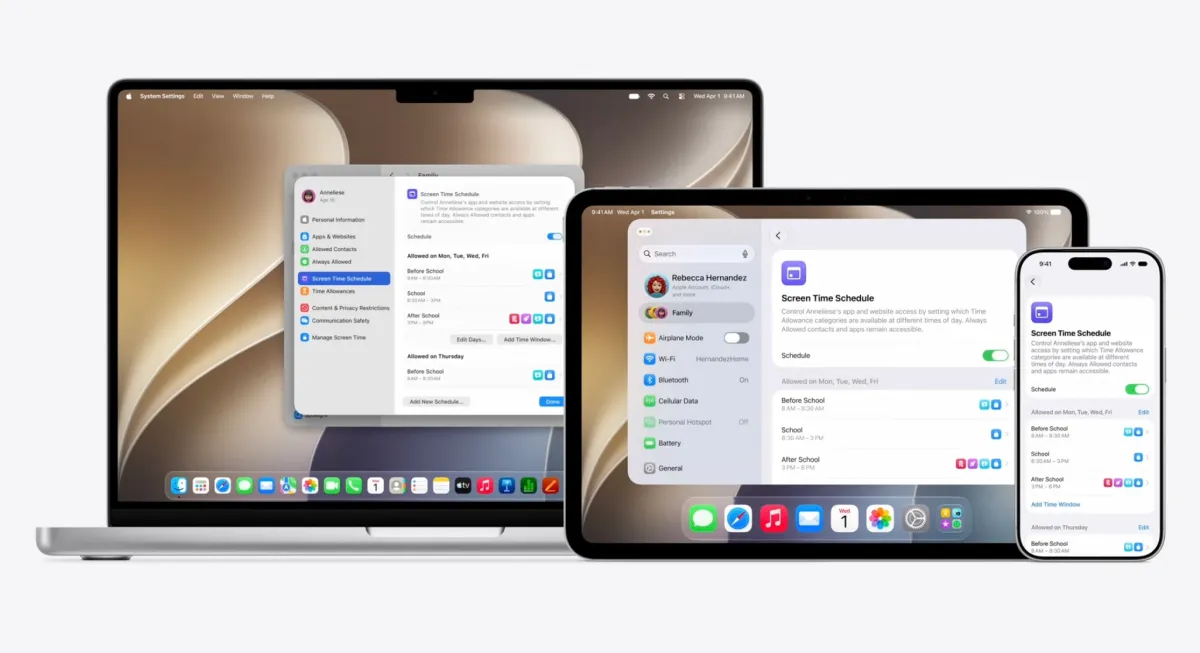
Parental controls aren't a one-time set-up; they're an ongoing processLast updated: July 06, 2026 | 06:009 MIN READThe chasm between setup and ongoing management is where most problems begin.Shutterstock If only parents could rest easy, knowing their child was safely playing within screen time limits under a watchful eye. But in the age of the internet, things are rarely that simple. The digital world has webs within webs, and children quickly find their way through the loopholes parents believed were closed.Aparnaa Sharrma, mother to two girls aged 16 and 11, found this out the hard way, as she says. She realised default settings weren’t enough after her child stumbled onto inappropriate content she had not yet thought to block. “It took one afternoon and I changed everything,” adds Sharrma, who is also the Founder of Sprout Media & Sprout Academy and a digital marketing expert.As she and many others concur, there are several parental controls and screen-time features that parents severely underuse. “The biggest ones are Screen Time on iOS and Family Link on Android. Most parents have heard of them, but very few have actually set them up properly. They stay in default mode and wonder why nothing changes,” she adds. The truth is, parental controls aren't a one-time set-up, as Kevin Sebastian, Creative Director Audire Media and Technology Columnist, puts it: “In reality, they're an ongoing process. Children's digital habits change constantly, new apps appear every year, and online risks evolve.”This is particularly relevant on platforms like YouTube, where parental supervision tools and viewing controls are constantly being updated, but still require active setup and ongoing adjustment from parents.Nevertheless, the chasm between setup and ongoing management is where most problems begin.Two features I think almost no one uses: Communication Limits, which controls who your child can call or message during specific hours, and Downtime, which essentially locks the phone except for calls during bedtime or study time. Not "suggested" actually locked....Aparnaa Sharrma Founder of Sprout Media & Sprout AcademyThe biggest features parents overlookSo what are the blind spots?Sebastian highlights several. The most overlooked feature is built-in parental controls. Many parents immediately look for third-party apps Yet, both Android and iPhone already include comprehensive tools that allow parents to manage screen time, app downloads, web browsing, purchasing, location sharing and communication limits. However, even within these built-in systems, some tools are underused. People tend to brush past content ratings. Instead of just blocking entire platforms like YouTube or games altogether, they can restrict access based on age ratings, mature content, or explicit music and videos.Another feature that is ignored, is bedtime or downtime scheduling. “Instead of just manually taking devices away every evening, parents can automatically lock access to games and entertainment during homework hours or overnight while still allowing essential apps like Phone or Messages," he explains. And one of the most financially impactful tools: "Purchase approvals are another feature that deserves more attention. Many parents don't realise they can require parental approval before every app download or in-app purchase, preventing accidental spending,” he says.Together, these tools do form a basic safety framework; yet many households only activate one or two.A multi-layered control: Why no single tool is enoughParental control is most effective when treated as a multi-layered system, rather than a single setting or app, as the experts explain. Samarth Meherish, Chief Revenue Officer, BYT Digital Education, a digital platform for schools, highlights three key layers parents often overlook.1. Network-level filtering (the router layer)Most parents focus on controls at the phone level.But the router is often ignored.The router:cannot be uninstalled by the childprotects all devices in the homecovers devices without built-in parental controls (such as game consoles, smart TVs, and borrowed tablets)2. Purchase and download approvals“Ask to Buy” on Apple Family SharingApp approval on Google Family LinkThese help prevent:accidental spendingunwanted app downloadsYet, they are often left off by default.3. Privacy settings (the most overlooked layer)Parents often block explicit content, but overlook deeper privacy controls such as:advertising identifiersad personalisationcross-app trackingprecise location sharingAs a result, children may be protected from explicit content, but still tracked and profiled by advertising networks.As he puts it: “A child who's shielded from bad content but silently profiled by a dozen ad networks isn't actually protected.”How to set up: Mistakes to avoidOne of the most common issues with parental controls is timing. In many households, safeguards are introduced only after a problem occurs, rather than before a device is even handed over.Sharrma is clear on this: “Start before you hand over the device. That's the most important thing. Most parents set controls reactively, after a problem. Don't.”For children between 11 and 13, parents can begin introducing more flexibility while maintaining strong safeguards. This includes, longer screen time, some limited messaging, allowing more educational content filters. Choosing to monitor rather than outright block. And have reasonable discussions about online safety and privacy. For teenagers, the goal shifts from control toward guidance...Kevin Sebastian Creative Director Audire Media and Technology ColumnistA four-layer approach to setupMeherish breaks the setup into four layers.1. Network layerStart at the network level by using a family-safe DNS or router-based filter so unsafe sites are blocked before they load across the home.2. Device account layerThen the device account: the single biggest mistake is handing a child an adult account. Create a proper child account through Apple Family Sharing, Google Family Link or Microsoft Family Safety - that's what unlocks age-based defaults, approvals and time limits. 3. App layerSet limits and content controls on the apps that matter most, such as games, video platforms, and social media.4. Conversation layerFinally, and most importantly, the conversation. “Set the controls up with your child, at the kitchen table, explaining the why. Covert monitoring teaches kids to evade you; shared rules teach them to trust you - and the research on this is pretty consistent,” he says.Hidden gap: Browser loopholesAnas Abdul Latheef, Founder, Hash Include, points out another technical blind spot many parents miss.“The filter really only covers the built-in browser. A child can just download a different browser from the store and walk straight past it. Most parents set it up, watch it work once, and never realise how easily it comes undone.”Newer tools parents often don’t useHe also highlights newer controls available on iOS:You can now fully block a specific app, instead of allowing even a short access windowYou can set a dedicated Screen Time PIN, separate from the device passcode, to override restrictions“That matters more than it sounds. The child has to know that specific PIN to get around it, not just the passcode they have already watched you type a hundred times," he adds. A quick setup guideSharrma outlines a simple setup framework:Create a child account (iOS: Family Sharing / Android: Family Link) for full parental controlSet up Screen Time or Family Link from your own device so settings cannot be changed by the childSet content restrictions (explicit websites, app downloads, age ratings for media)Schedule downtime (school hours, dinner time, bedtime) and remain consistentSet app limits so social media and games have daily time capsTurn off in-app purchases to avoid accidental spendingCreate a proper child account through Apple Family Sharing, Google Family Link or Microsoft Family Safety - that's what unlocks age-based defaults, approvals and time limits. Then the app layer: limits and content settings on the handful of apps that actually matter....Samarth Meherish, Chief Revenue Officer at BYT Digital EducationAge changes everythingHowever, one of the most common mistakes is applying the same restrictions across all ages. In fact, as Meherish notes that the controls should look ‘almost opposite’. “For an 8-year-old, you're the operating system: allow-listed apps, no open web browser, YouTube Kids rather than YouTube, no social media, generous use of "approve before install," and a lot of shoulder-to-shoulder co-use,” he says.The device is a supervised, shared space.However, for a teenager, hard blocks backfire. They find the workaround. This is where you need to hold conversations over privacy hygiene, healthy defaults, downtime around sleep, notification and limits and misinformation. “On the latest iOS you can now fully block a specific app, instead of being stuck allowing at least a minute. And you can now set a dedicated Screen Time PIN, separate from the device passcode, just for overriding the limits. That matters more than it sounds. The child has to know that specific PIN to get around it, not just the passcode they have already watched you type a hundred times....Anas Abdul Latheef Founder at Hash IncludeAge-based parental control approach For ages 8–10 (strict supervision stage)This stage requires full control and tight restrictions.Device is fully locked down and supervisedAge-restricted content enabledAll purchases blocked or require parent approvalAny new app download requires a parent to sign inYouTube replaced with YouTube Kids (no open YouTube)Screen time limited to:1–2 hours on weekendsminimal usage on weekdaysCommunication preferrably restricted to family contacts onlyLocation sharing enabled at all timesFor ages 11–12 (transition phase)This is where flexibility begins, but supervision remains strong.Gradual introduction of more flexibility based on maturitySome educational and approved content allowed beyond strict filtersStill maintain purchase approvals and app restrictionsBegin shifting from strict blocking to guided accessParents start explaining rules rather than only enforcing themFor teenagers (13–17) (trust and guidance stage)However, control alone stops working here.Settings adjusted according to age, with fewer hard blocksPlatforms like YouTube may be allowed with supervisionFocus shifts from restriction to conversationParents actively educate on:online risksprivacy hygienemisinformationcyberbullyingMaintain downtime during:school nightsbedtime routinesAllow more flexibility on weekendsUse monitoring + alert tools (not strict blocking), such as:BarkQustodioBuild “graduated trust”:start strictease restrictions based on behaviour, not just ageEmphasis on communication:children should feel safe coming to parents when something feels wrongKey principle: overly strict controls often fail, while trust-based systems reduce workaroundsA parent’s realityTejaswee Chugh introduced parental controls, when her daughter was around five-years-old. It was easier to establish healthy digital habits from the beginning, rather than trying to introduce restrictions later, she says. “She now uses a Samsung tablet for schoolwork, educational content end entertainment.The primary parental control: Googe Family Link. “Since we use Android devices, it integrates seamlessly with the tablet and provides all the controls we need in one place. It allows us to manage screen time, approve or block app downloads, monitor usage, and adjust permissions remotely, which makes it both convenient and reliable,” she says. The tablet is linked to her Google account through Family Link, which allows her to manage everything remotely, as well. “Once everything is configured, it doesn't require daily adjustments. I typically review and update the settings every two to three months, or whenever there's a change in her routine or needs.” As her daughter grew older, they have also reviewed and adjusted the restrictions periodically to reflect her age, maturity and changing requirements. Sometimes that means extending screen time during school holidays or allowing access to new educational apps while continuing to block content that isn't appropriate. “Parental controls aren't something you set once and forget, they need to evolve as your child grows and their digital habits change,” she concludes.Controls at a glance (practical setup guide)App-specific limitsiOS: Screen Time > App Limits > Add Limitset limits by app or categorychildren can request more time (parent approves remotely)Android: Family Link > Daily LimitsContent filtersiOS: Screen Time > Content and Privacy Restrictionsfilter apps, websites, Siri, music, moviesenable Google SafeSearchAndroid: Family Link + Google Play controlsChrome supervised modeDowntime schedulesiOS: Screen Time > Downtimerestrict access during set hoursonly essential apps like Phone and Messages allowedAndroid: Digital Wellbeing > Bedtime modePurchase restrictionsiOS: Screen Time > iTunes and App Store Purchasesset to “Don’t Allow” or require password every timeAndroid: Google Play parental controlsrequire authentication for all purchasesParental controls have moved beyond switching on a few settings, they’re about building a layered system that evolves with a child’s age, habits, and independence. From app limits to privacy settings, most of the tools already exist; The real gap is how completely they’re used. As experts and parents repeatedly point out, the goal is steady guidance, combining the right settings with ongoing conversations, so children learn not just to use technology, but to navigate it wisely.Also In This PackageLakshana is an entertainment and lifestyle journalist with over a decade of experience. She covers a wide range of stories—from community and health to mental health and inspiring people features.
Is your child safe online? Check these Apple and Android settings
Parental controls aren't a one-time set-up; they're an ongoing process
2,057 words~9 min read