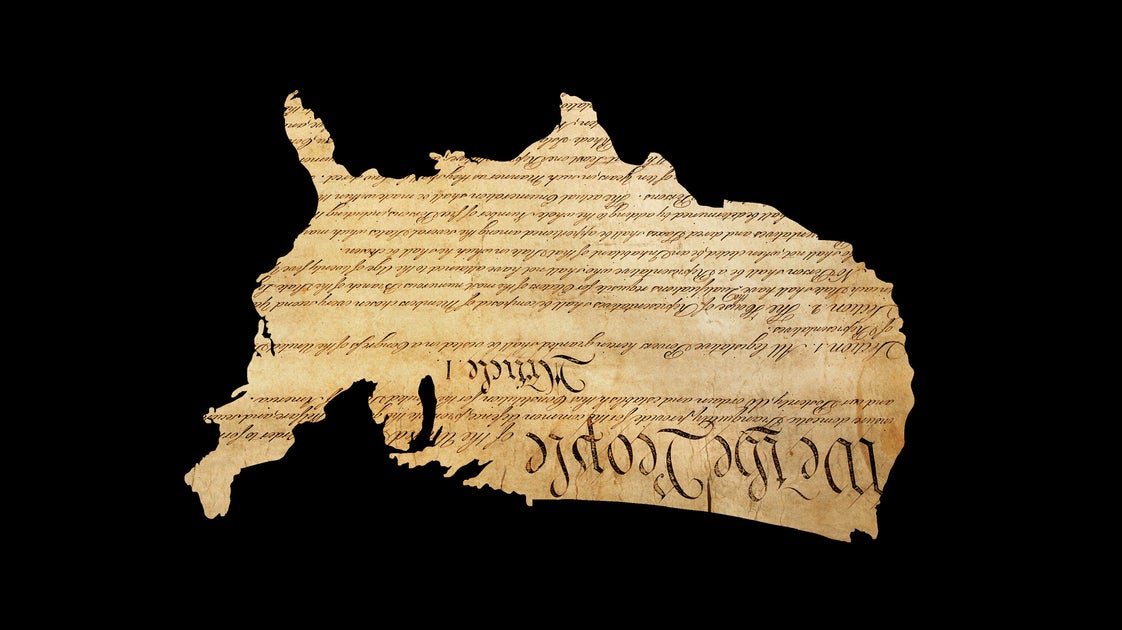
Many Americans, worried about what has become of their democracy under U.S. President Donald Trump, are beginning to wonder whether and how it can recover once he leaves office. While it is too early to know what the political landscape will look like in 2028 and beyond, the United States can already learn from the experiences of other countries that have attempted democratic recovery. Recent developments in Poland and Brazil are illuminating—though sobering—in this regard.
In Poland’s presidential election earlier this year, conservative politician Karol Nawrocki narrowly defeated liberal candidate Rafal Trzaskowski. Nawrocki’s campaign was backed by Law and Justice—the party that spearheaded the erosion of Poland’s democratic institutions and norms after coming to power in 2015. To many, the 2023 electoral defeat of Law and Justice and the emergence of a solidly pro-democratic prime minister, Donald Tusk, appeared to signal a positive turning point for Polish democracy. But Nawrocki’s victory has highlighted the enduring popularity and influence of illiberal forces within the country.
Many Americans, worried about what has become of their democracy under U.S. President Donald Trump, are beginning to wonder whether and how it can recover once he leaves office. While it is too early to know what the political landscape will look like in 2028 and beyond, the United States can already learn from the experiences of other countries that have attempted democratic recovery. Recent developments in Poland and Brazil are illuminating—though sobering—in this regard.