The upgrade of the Kaltungo Snakebite Treatment Centre is commendable
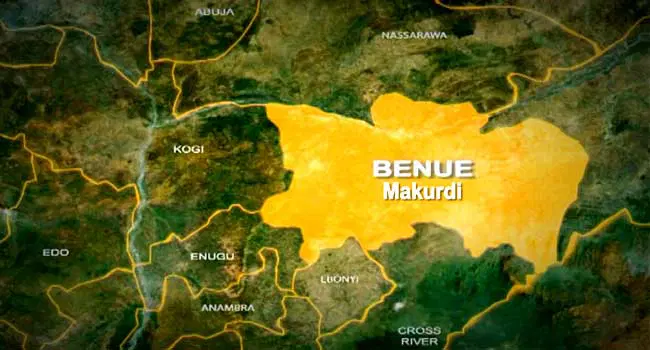
With a mortality of 12 per cent, hundreds of Nigerians die annually from snakebites, yet authorities in the health sector have for years not taken the challenge seriously. For this reason, the approval by the Federal Executive Council (FEC) to upgrade the Kaltungo Snakebite Treatment Centre into the National Snakebite Research and Medical Centre is a step in the right direction. It will be the first specialised snakebite research and treatment centre in Nigeria and the sub-region. The Coordinating Minister of Health and Social Welfare, Mohammed Pate confirmed that Nigeria records over 43,000 snakebite cases yearly, causing deaths, disabilities and severe socio-economic consequences. States with the most cases of snakebite in Nigeria are Gombe, Plateau, Adamawa, Bauchi, Borno, Nasarawa, Enugu, Kogi, Kebbi, Oyo, Benue, and Taraba.
But the snakebite issue is just part of a larger package of interventions in the health sector. To improve blood collection, storage and distribution nationwide, FEC also approved the procurement of 10 compressed natural gas-powered blood donation mobile clinics for the National Blood Service Agency. The country requires about 1.8 million units of blood annually but currently collects only about 25 to 30 per cent. The mobile clinics, according to Pate, would support maternal healthcare, trauma management, surgeries and cancer treatment across the six geopolitical zones. There were also approvals for procuring tuberculosis commodities to strengthen Nigeria’s response to one of the world’s highest TB burdens while reducing dependence on foreign donors and pave the way for local production of tuberculosis medicines. FEC equally approved the procurement of reproductive health and family planning commodities through the National Primary Health Care Development Agency.