When people hear "an app that writes books with AI," they picture one giant prompt and a wall of purple prose. That's the demo version. The moment you try to ship a real reading-and-writing product, you find out the generation step is the easy part. The hard part is everything wrapped around it — and it's a genuinely interesting systems problem.
A book is a state machine, not a prompt
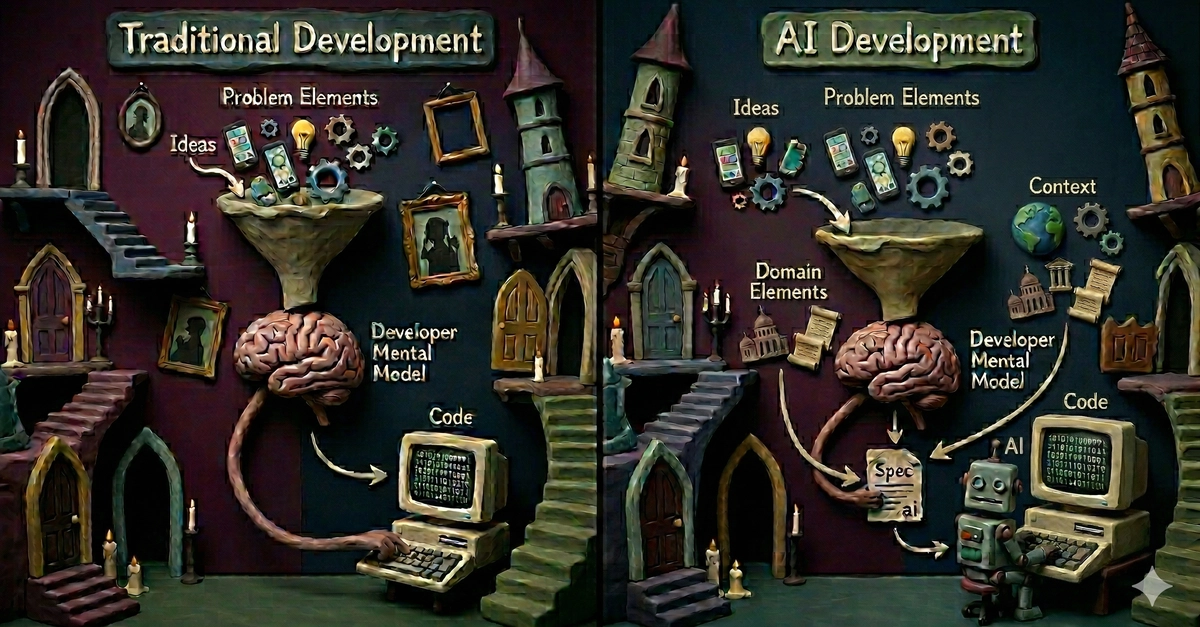
The first thing that breaks the naive approach is length. Ask a model for "a novel" and you get a vibe: a strong opening, a soggy middle, and an ending that forgot how it started. What actually works is decomposition. You split the job into an outline pass, a character and world bible, chapter-by-chapter drafting, and then reconciliation passes that check every new chapter against everything written before it.
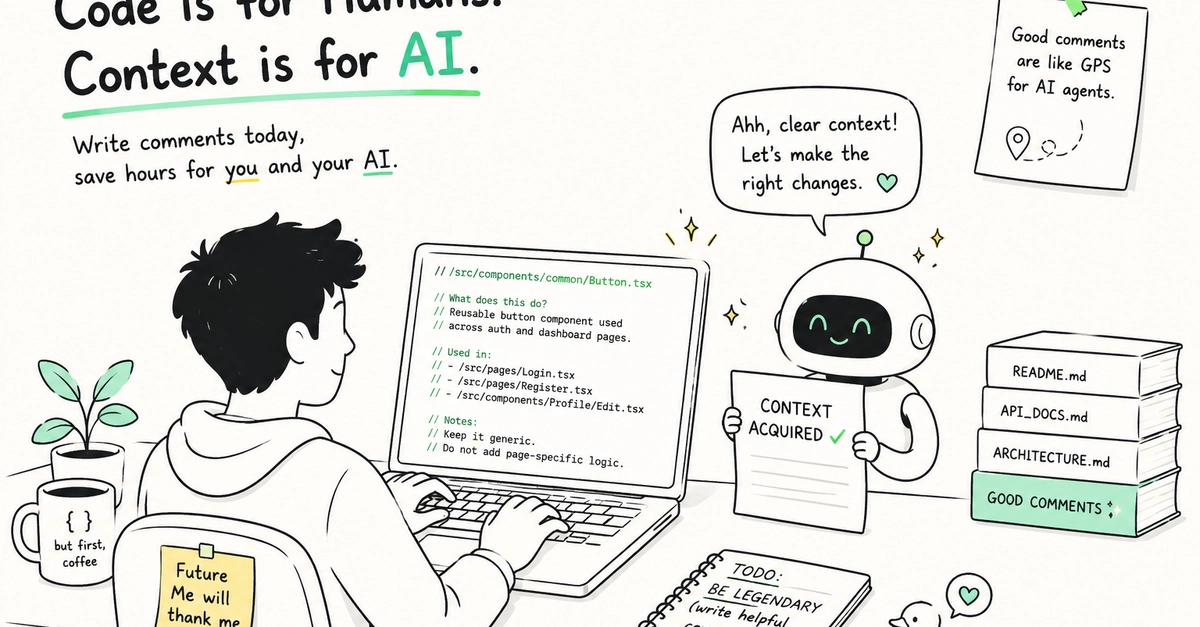
Each of those is a smaller, tightly constrained task, and constraint is where quality comes from. A model is dramatically better at "write chapter 12 given this outline and these established facts" than at "write a good book." The interesting engineering is in the orchestration layer that decides what context each step gets, not in the call to the model itself.
Continuity is the real cost center