If your memory is hosted, your thoughts are leased.
We did not just move our files to the cloud. We moved our working memory. Andy Clark and David Chalmers called it the extended mind in 1998. The thesis was simple. Cognition leaks into the tools we trust. A notebook can be part of your mind if you access it reliably. In 2026, that notebook is a vector database owned by a platform with a legal department. Your extended mind now has terms of service, retention policies, and a compliance team that answers subpoenas faster than you answer email.
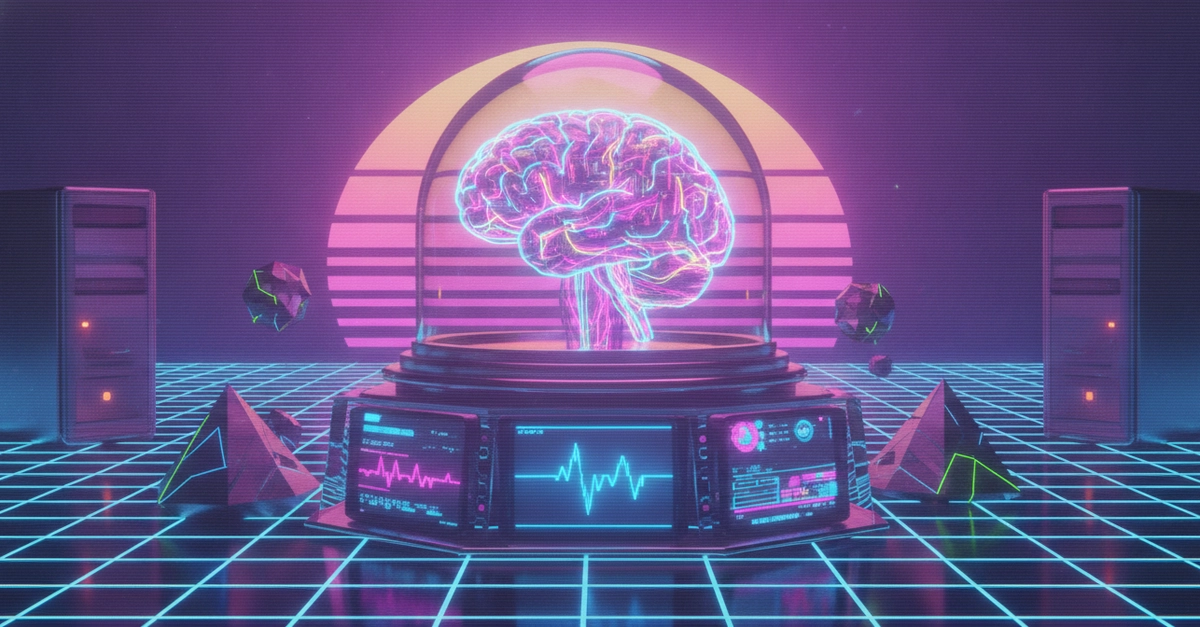
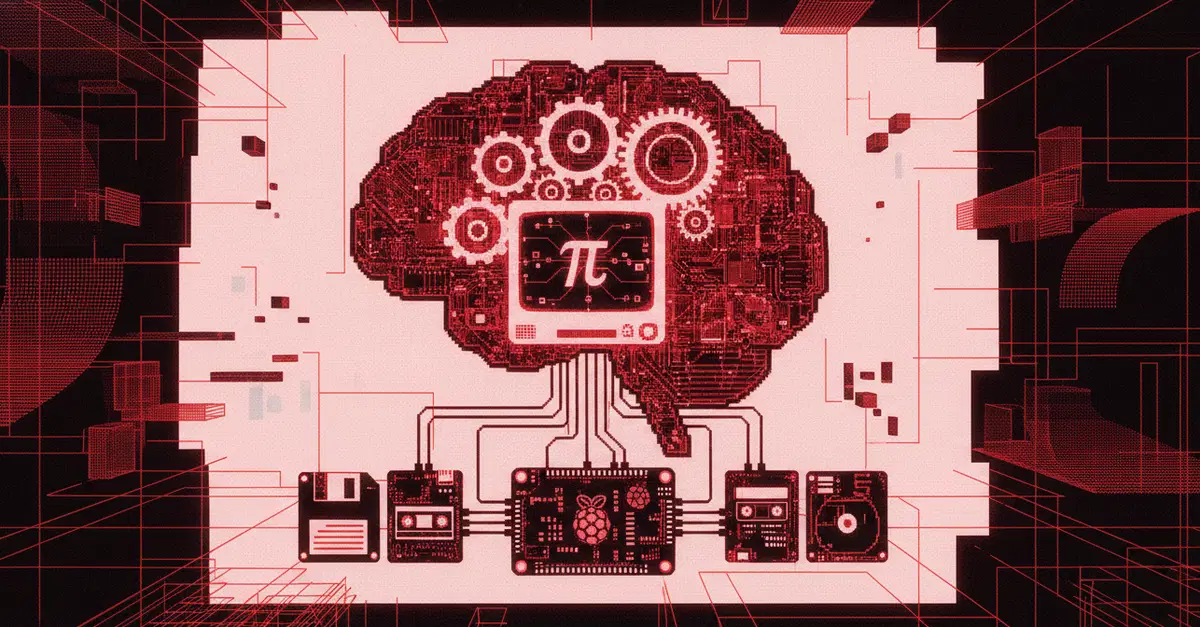
I am not interested in nostalgia for paper. I am interested in architecture that preserves agency. The fix is not to think less with machines. It is to think locally with machines you control. That is why I built a second brain that lives on a Raspberry Pi 5 with NVMe and a Hailo-8 accelerator, running Retrieval Augmented Generation completely offline. No API keys. No telemetry. No third party that can be compelled to hand over your associative graph.
This is the expanded blueprint. More cohesive, more rigorous, and more useful than the usual cloud versus local sermon.
The extended mind, now with a landlord