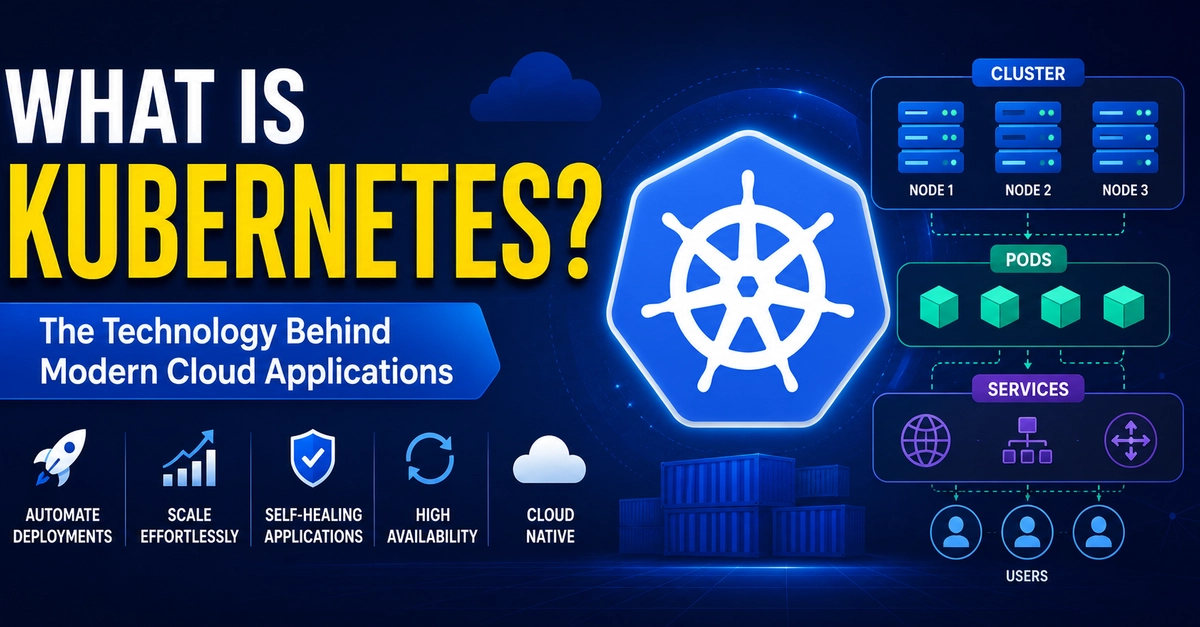
If you're comfortable with docker compose up, you already understand more of Kubernetes than you think. Compose taught you to describe an application declaratively — services, their images, their config, how they talk to each other — instead of running containers by hand. Kubernetes is the same instinct, scaled out across a cluster, with more moving parts because it's solving a harder problem: keeping that application running when machines fail.
The good news is the mental model transfers. The honest news is that the operational surface grows, and it's worth knowing exactly what changes before you commit. Let me map the concepts you already know onto their Kubernetes equivalents, show the YAML side by side, and be straight about the parts that get harder.
First, the thing that doesn't change: your images
This trips people up, so let's clear it early. The Docker images you already build run on Kubernetes unmodified. Kubernetes doesn't use the Docker daemon to run them — most clusters use containerd or CRI-O — but every one of those runtimes runs standard OCI images. That's the whole point of the OCI standard: the image you built with docker build is the same artifact the cluster pulls and runs.