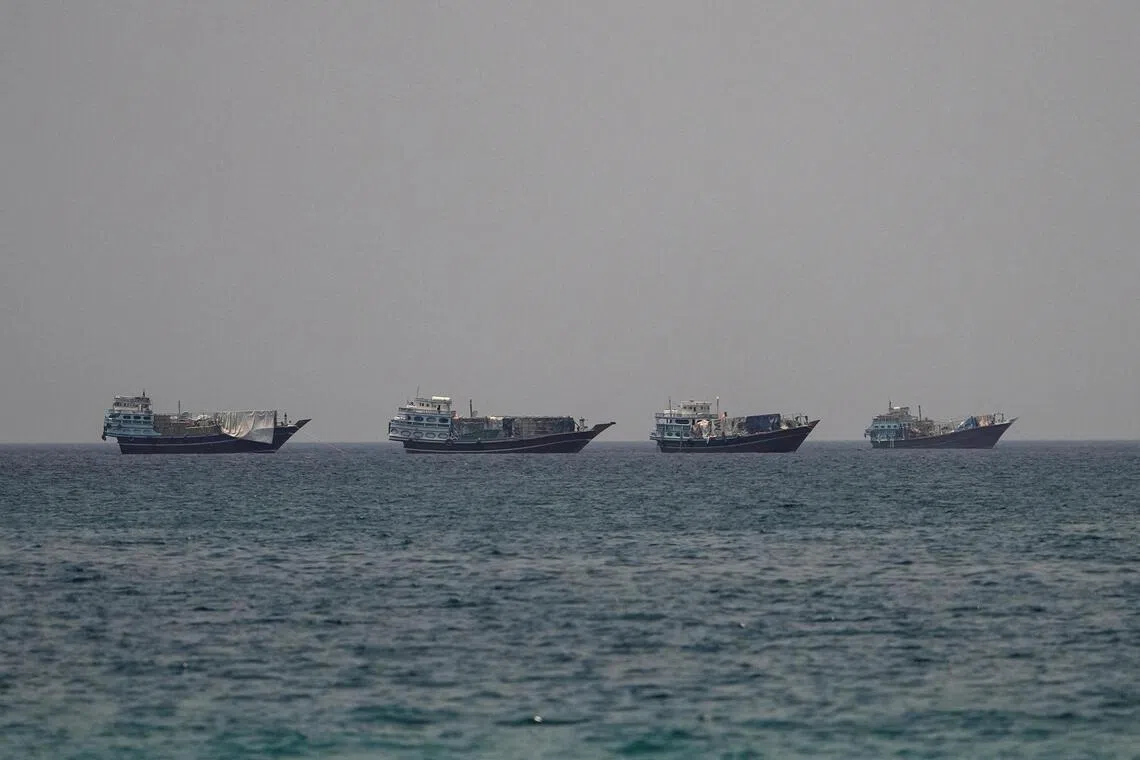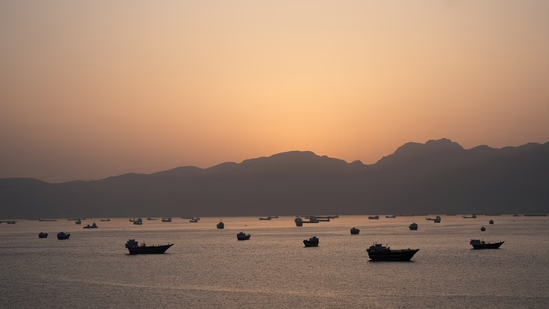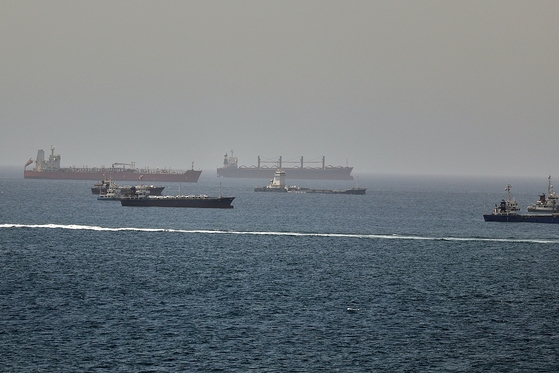
Just a few weeks into the war, one of the Persian Gulf’s top oil producers quietly began sneaking its crude out of the Strait of Hormuz. Before long, the covert project became so successful that the United Arab Emirates was already approaching its pre-war rate of flows through the waterway by the time the US and Iran signed their interim peace deal.
The UAE’s aggressive push to get barrels safely out of the strait relied on tactics normally associated with sanctioned countries like Iran, Russia and Venezuela: the ships traveled “dark” without their transponders (and often under the cover of literal darkness) before offloading their cargo into other tankers waiting outside the waterway, and then returning back to collect more.
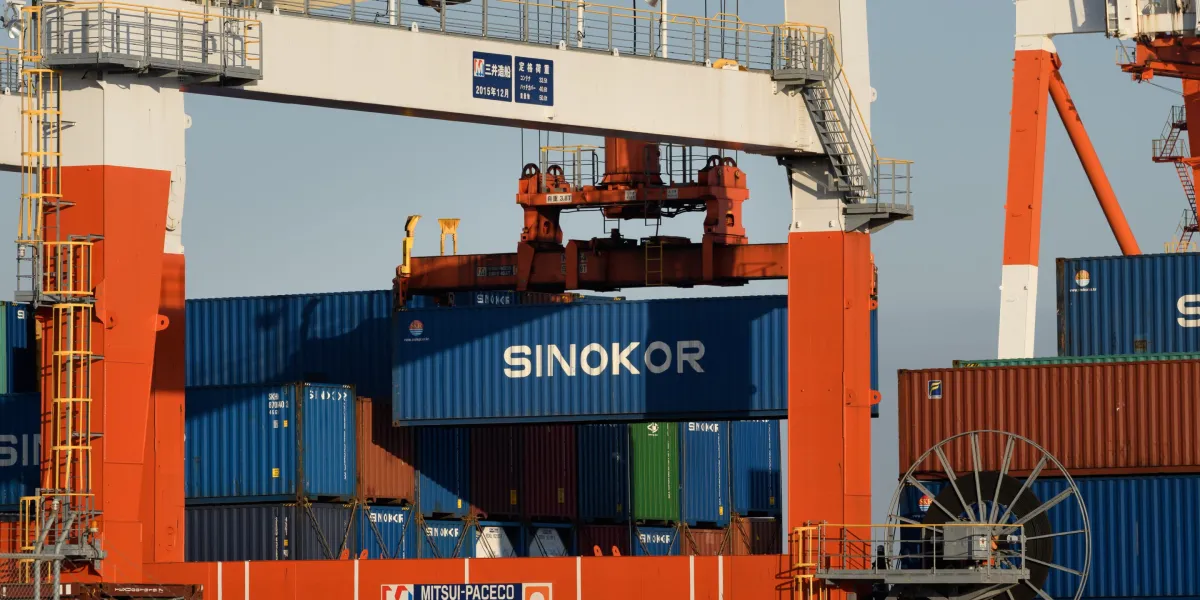
Crucially though, officials in Abu Dhabi needed enough ships to make the risky transit — not just once, but over and over. And for that they turned for help to Ga-Hyun Chung.
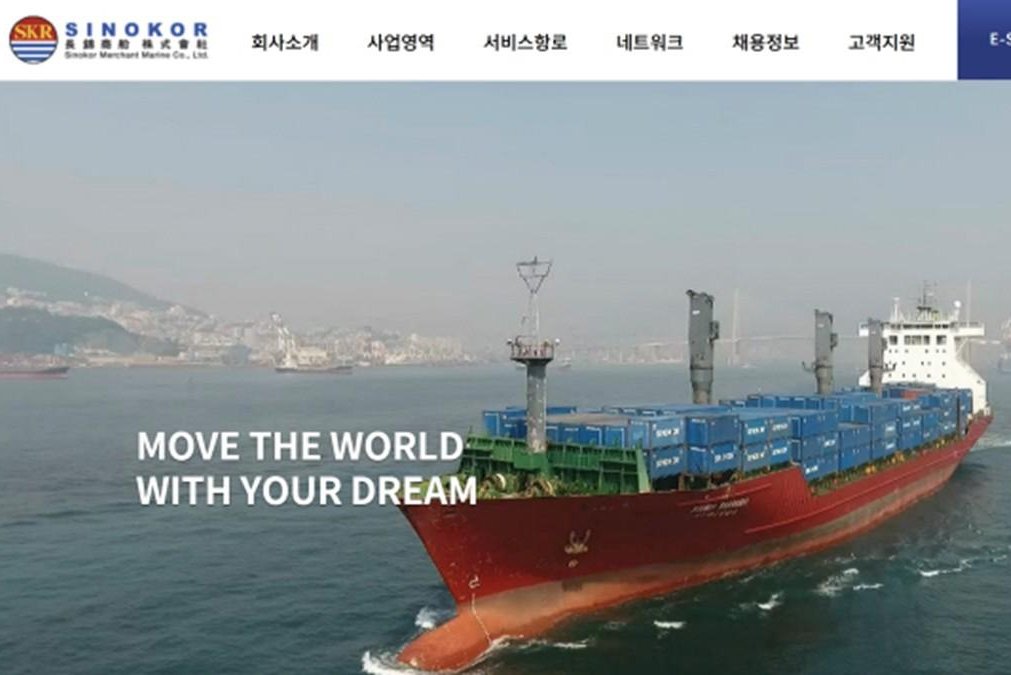
The intensely private Korean shipping tycoon rocked the tanker industry early this year as his Sinokor Group embarked on an unprecedented buying spree. Bloomberg reported in March that he stood to be one of big winners from the turmoil in the oil trade from the Iran war, as rates for tankers surged.