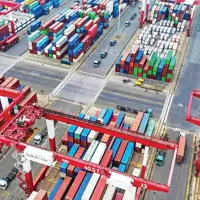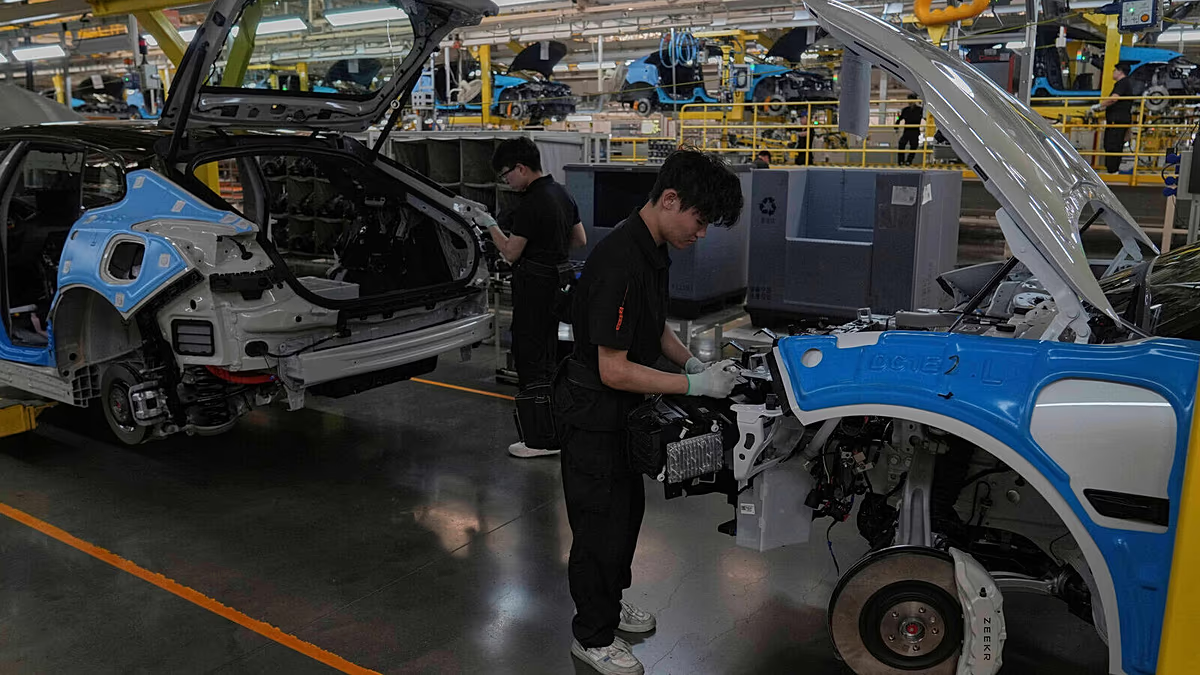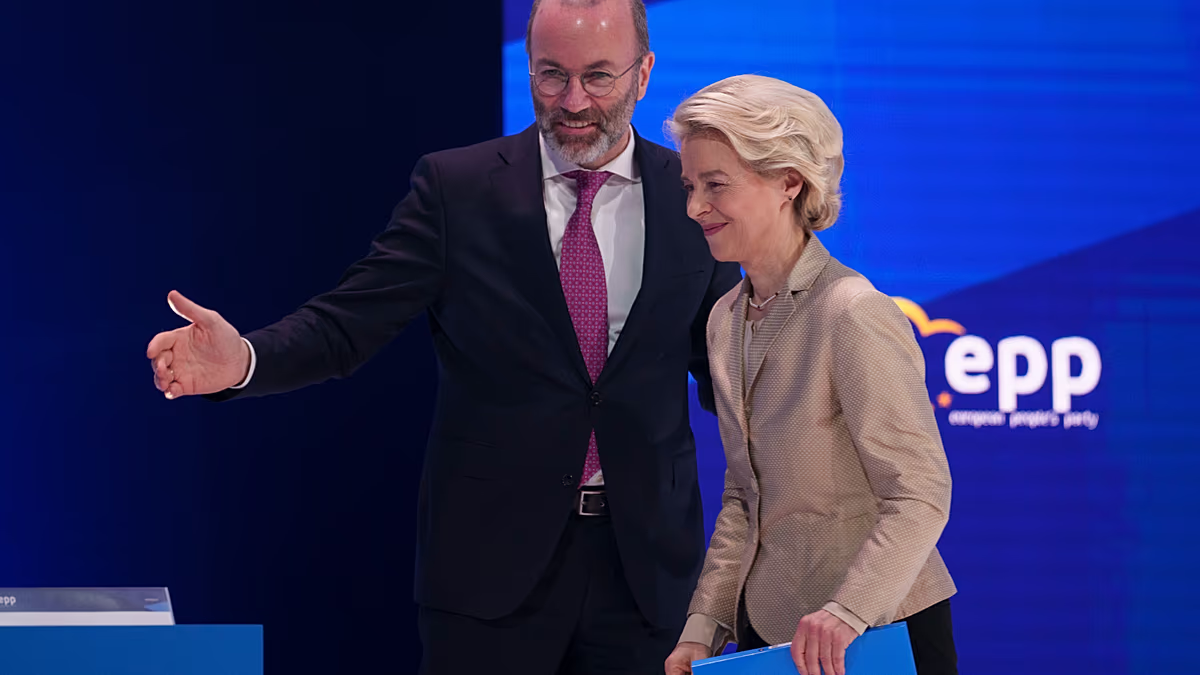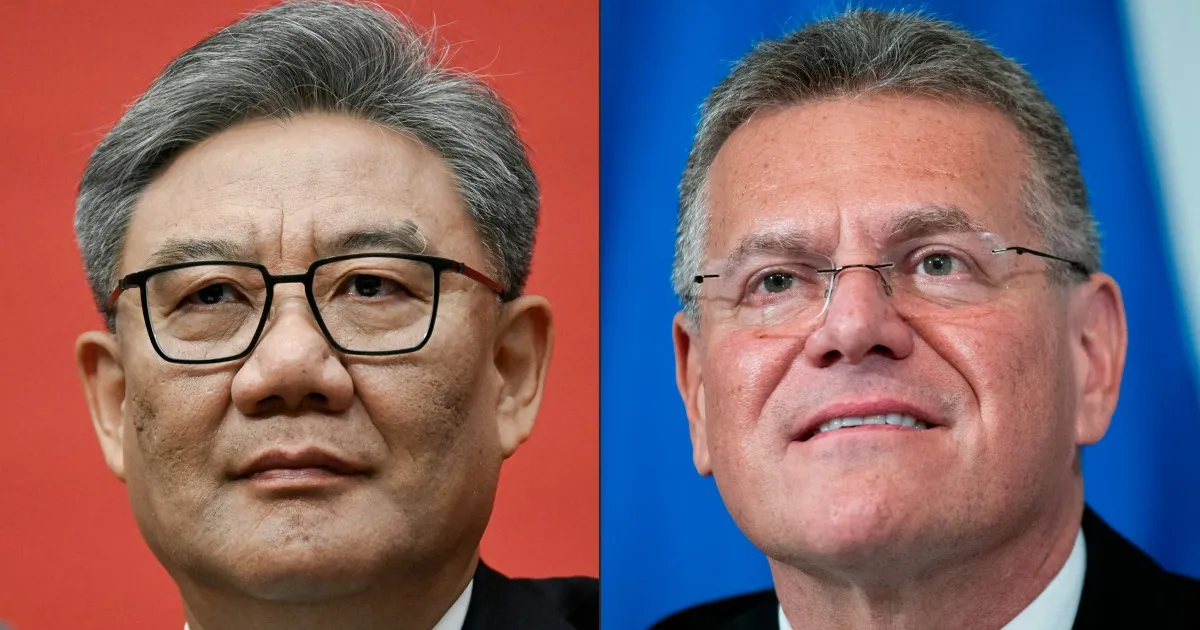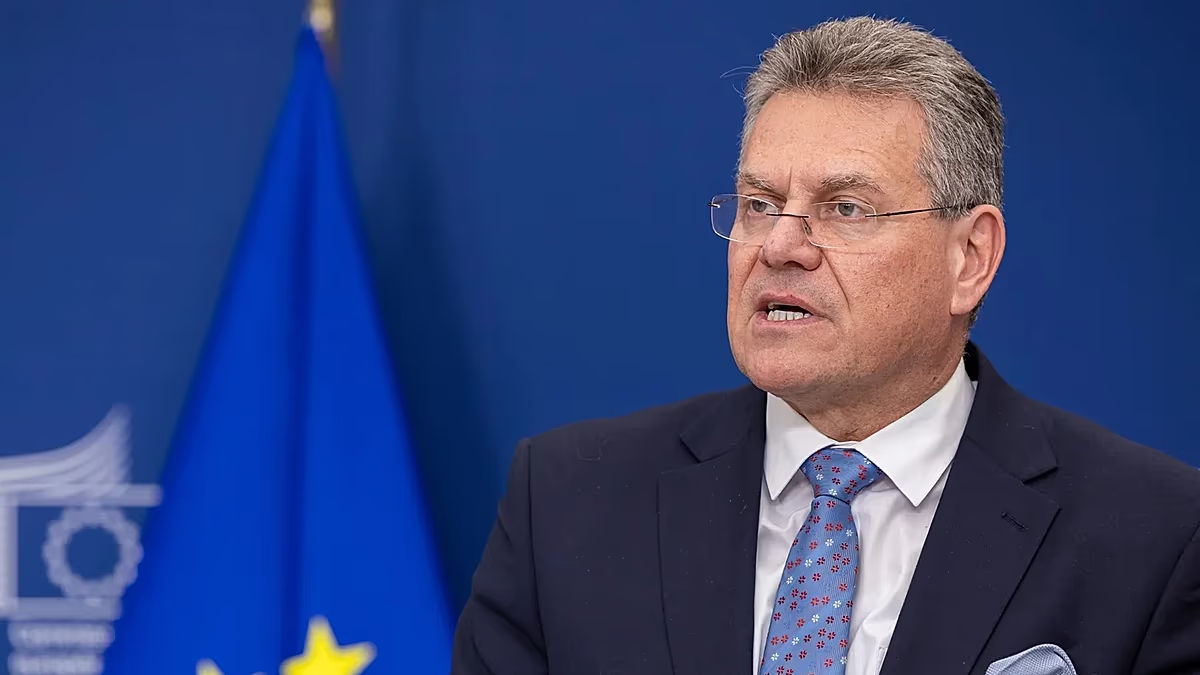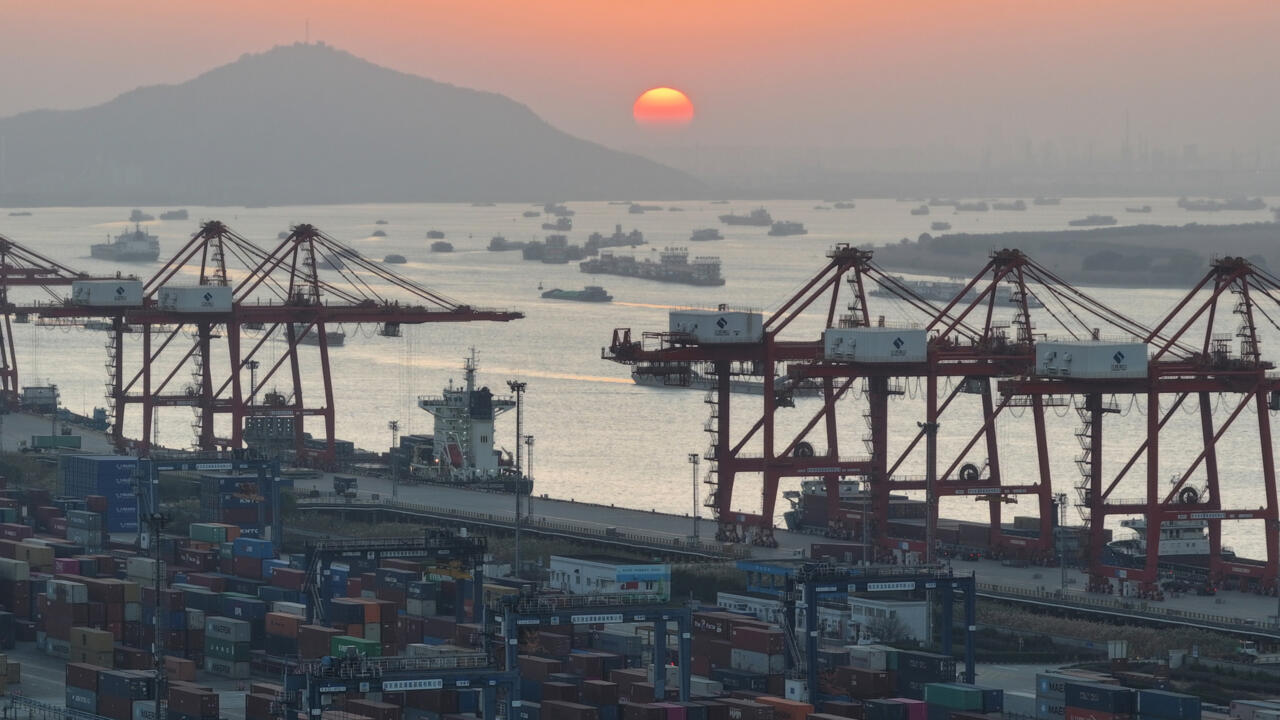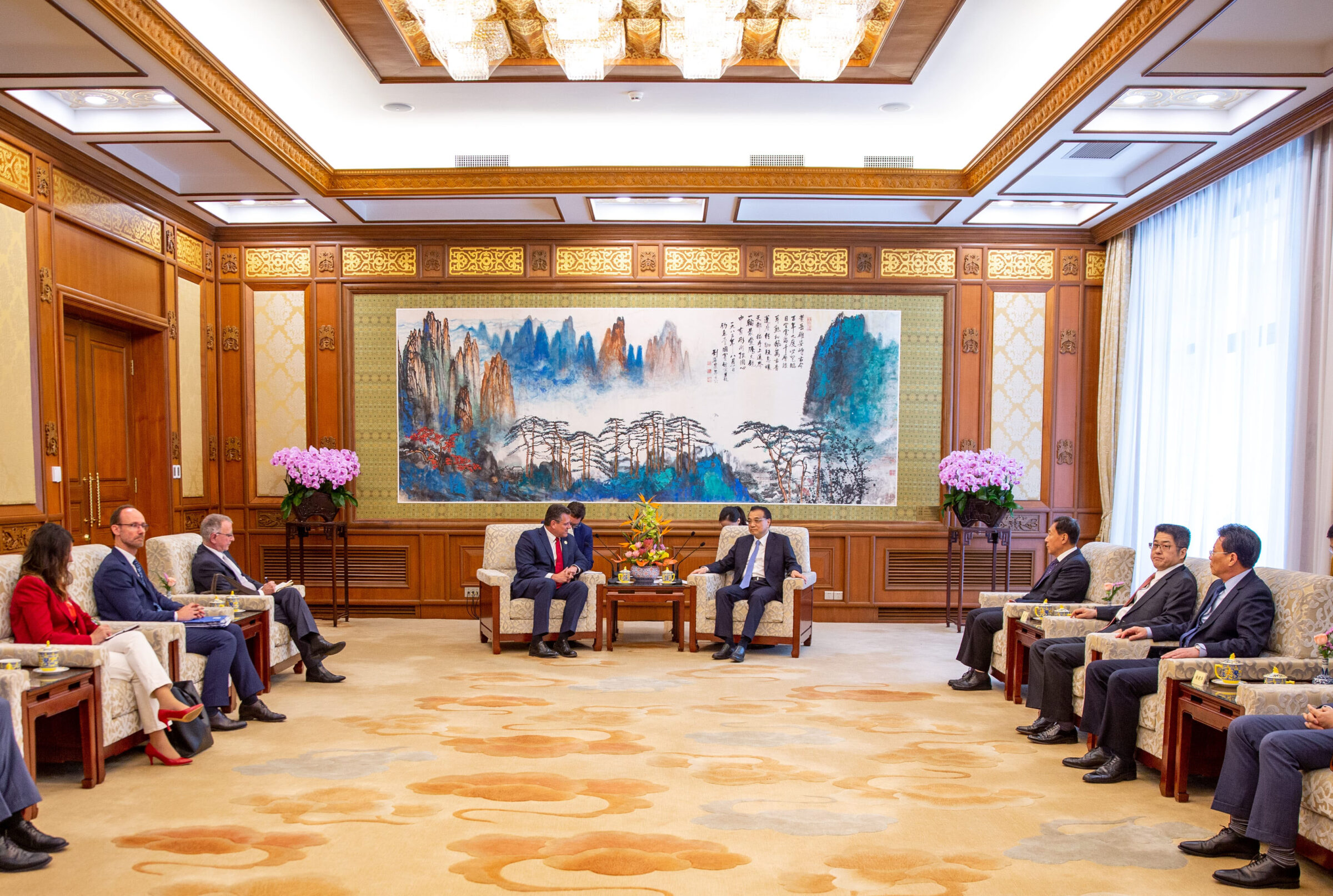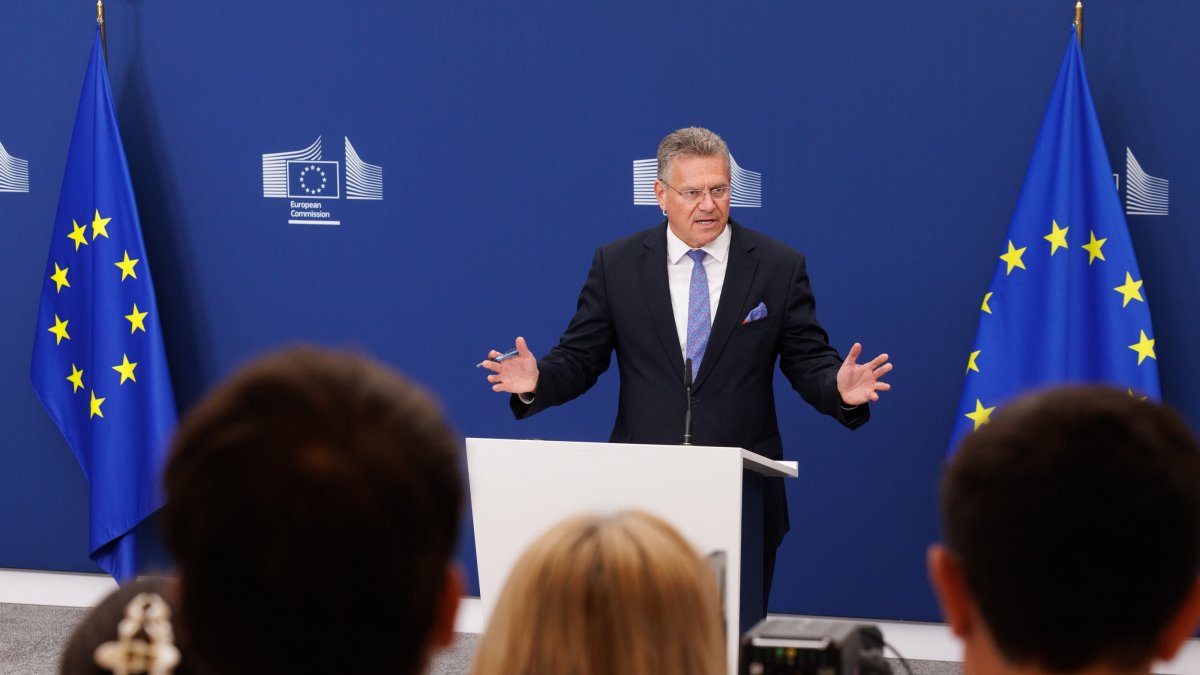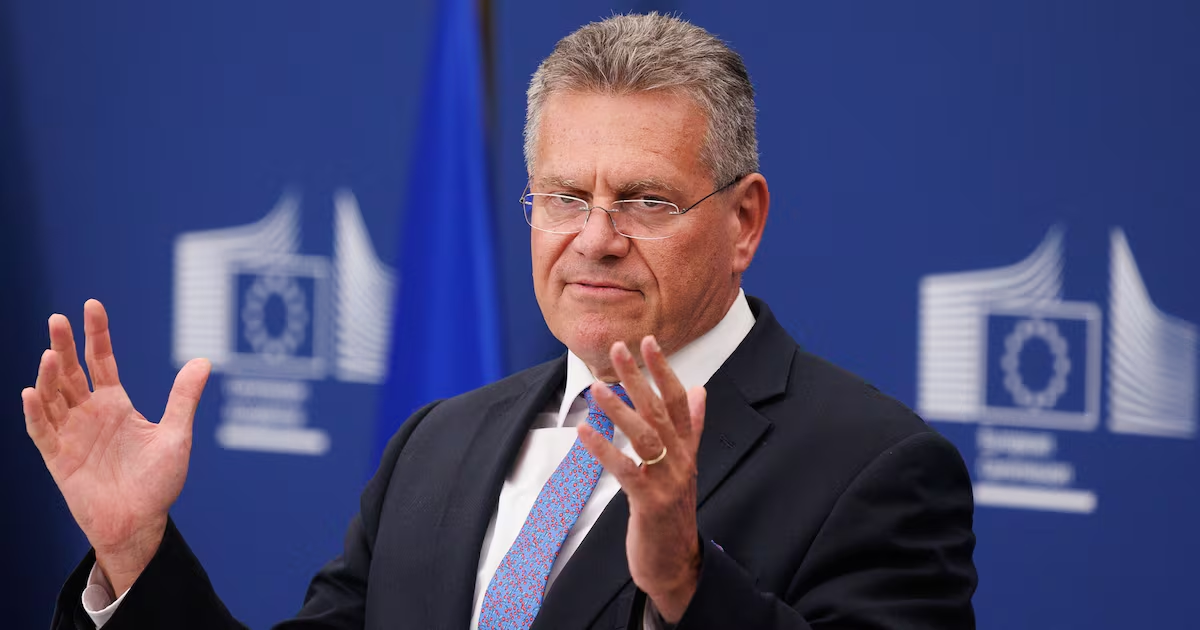
Maroš Šefcovic, the EU trade commissioner, kicked off a series of high stakes negotiations with Wang Wentao, his Chinese counterpart, in Brussels last week aimed at defusing tensions between Brussels and Beijing. Šefcovic said after the meeting he wants the talks to “deliver results” by October.EU member states have been putting pressure on Ursula von der Leyen, the European Commission president, to take a more confrontational approach with Beijing amid claims that unfair Chinese trade policies are undermining key European industrial sectors. Volkswagen recently announced up to 100,000 redundancies as part of radical measures to stave off competition from an influx of much cheaper Chinese electric vehicles.Over the first five months of this year, over 10 per cent of cars sold across all EU member states were Chinese EVs such as BYDs. A growing number of member states, including Germany, claim that the Chinese government is subsiding its car manufacturers so that they can ramp up exports to the EU to compensate for an increasingly sluggish domestic economy.They warn that the dumping of goods, not just cars, in the European market will permanently shrink the EU’s industrial capacity, leading to further dependency on China. EU sources suggest what is needed is at least a 20 per cent revaluation of the Chinese currency as well as much greater trade defences.However, the Chinese government says that the troubles faced by European manufacturing are caused by a combination of high energy prices and poor industrial policy, on the one hand, and the spillover effects of events like the Ukraine war on the other. It argues that the reason Chinese EVs are selling so well in Europe is the same as why Europeans are buying Chinese air conditioners to deal with the heat – the demand cannot be satisfied by European producers. There is an element of truth in Beijing’s position, but it is also more than a little self-serving. The renminbi is, by any yardstick, artificially devalued on the markets and Chinese manufacturers benefit from very generous state subsidies.The EU is right to look at trade defences as long as China pursues these policies. But the EU cannot rely on trade defences and retaliatory measures alone. European competitiveness has been eroding for the past two decades. The Draghi Report, published in September 2024, is a comprehensive set of proposals aimed at rejuvenating the European economy, yet progress on its implementation remains sluggish, at best.It is not in the interests of Brussels or Beijing for current tensions to descend into a trade war. A negotiated settlement, including concessions by the Chinese government to open up its market to EU exports, is by far the most desirable outcome.
The Irish Times view on the EU and China: negotiations need to yield results
Recent job losses at manufacturers such as Volkswagen have increased tensions
443 words~2 min read