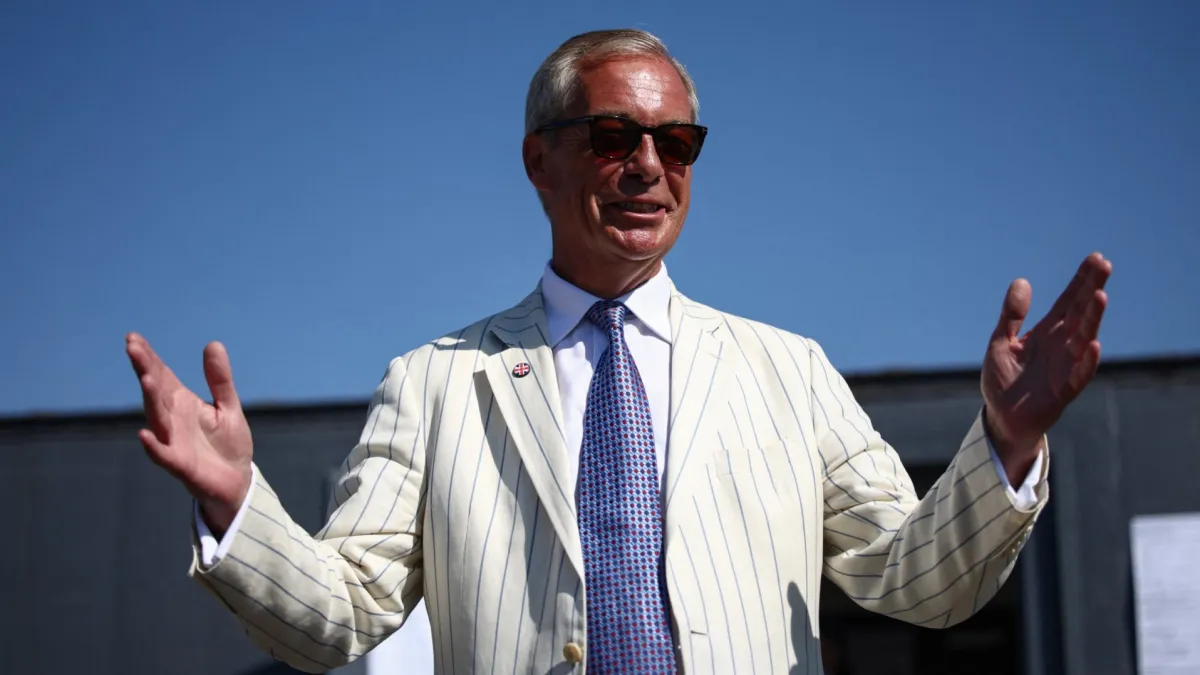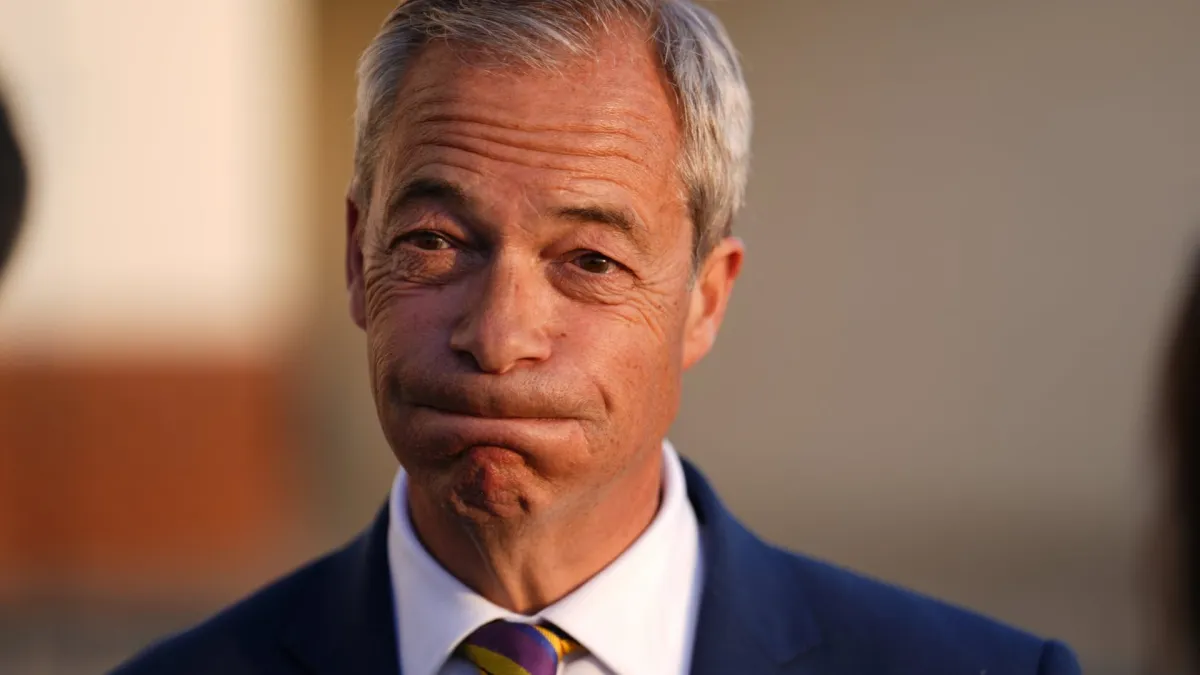
The old adage “follow the money” is haunting Nigel Farage with particular vengeance these days.
The feisty Reform leader’s dealings with George Cottrell, a maverick society figure and benefactor to Reform UK before the last election, is the latest expensive embarrassment for a party which aims to break the mould of British politics. Instead, Farage stands accused of flouting funding and transparency rules – and that is becoming a habit, rather than a happenstance.
Farage has been referred to Parliament’s standards watchdog for the second time this year, over new reports that he failed to declare financial support from a convicted criminal. He allegedly took payments and benefits in kind from Cottrell – aka “Posh George,” a society figure with a chequered history.
Even putting Cottrell’s credentials politely, his record as a “crypto-gambling entrepreneur” might raise a few red flags for the “turquoise army” of Reform as it boasts its credentials to form a future government.
Reform is certainly not the only party to have skirted close to the rule on the difference between gifts and donations. Nor the only party to have taken a skimpy view of requirements to reveal funding sources from acolytes helping them run for office. But a second controversy, so soon after Farage was referred to a standards inquiry over his £5m donation from British-Thai crypto tycoon Christopher Harborne, is now creating anxieties on his own team about how to persuade a charismatic, impervious leader that this is a problem he needs to deal with, rather than a series of huffy deflections. At stake is Reform’s well-honed brand as a cleansing force bent on replacing the political establishment.