July 5, 2026 / 12:47 PM EDT
/ CBS News
Add CBS News on Google
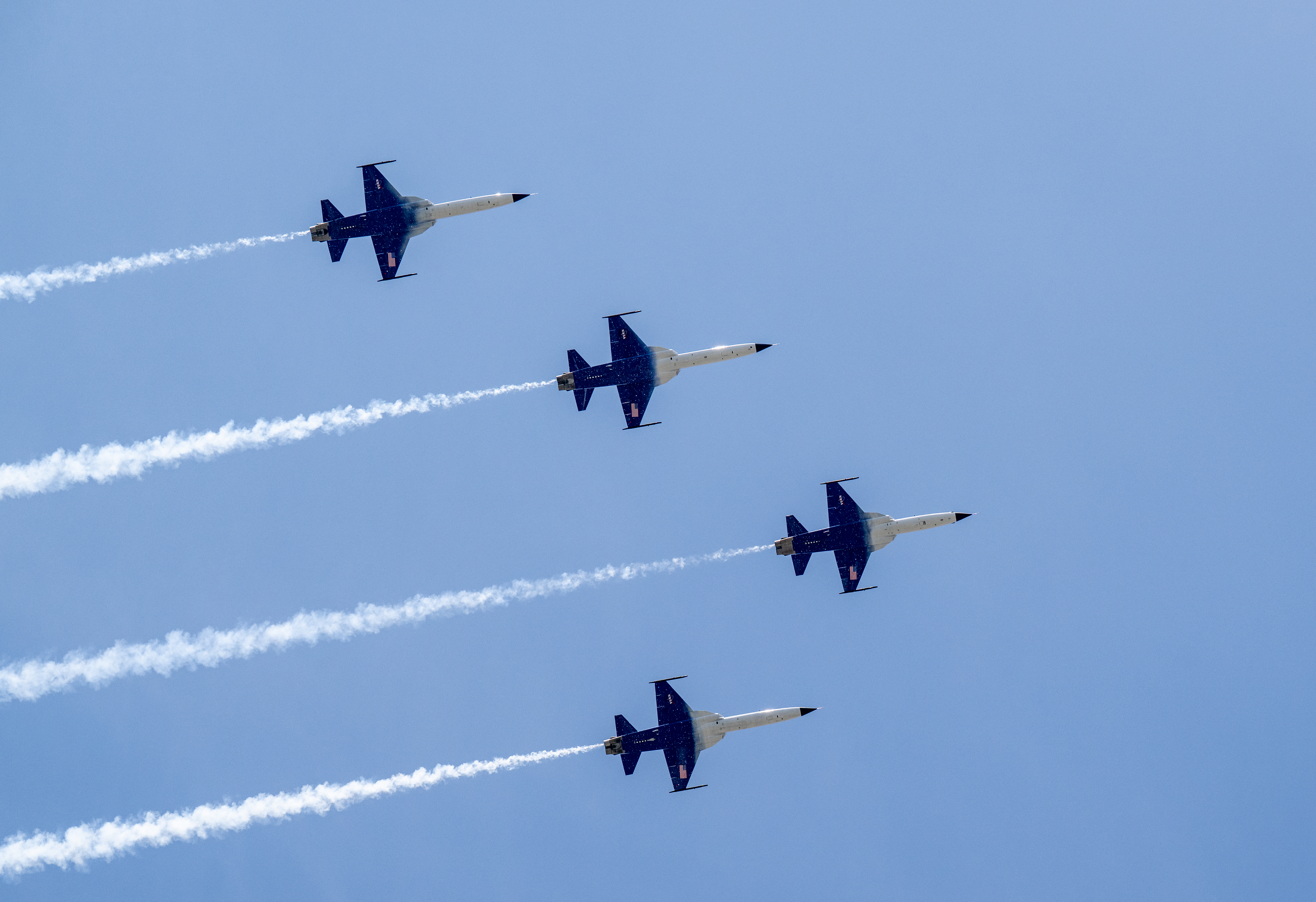
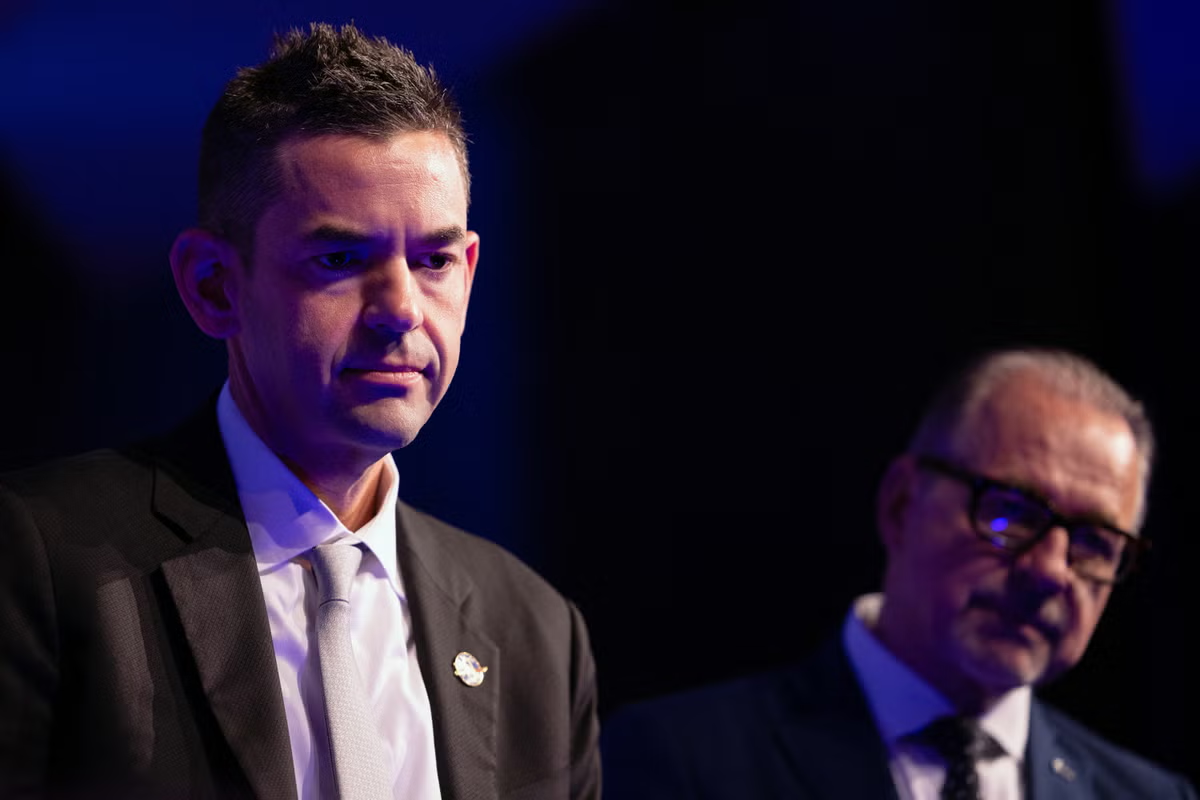
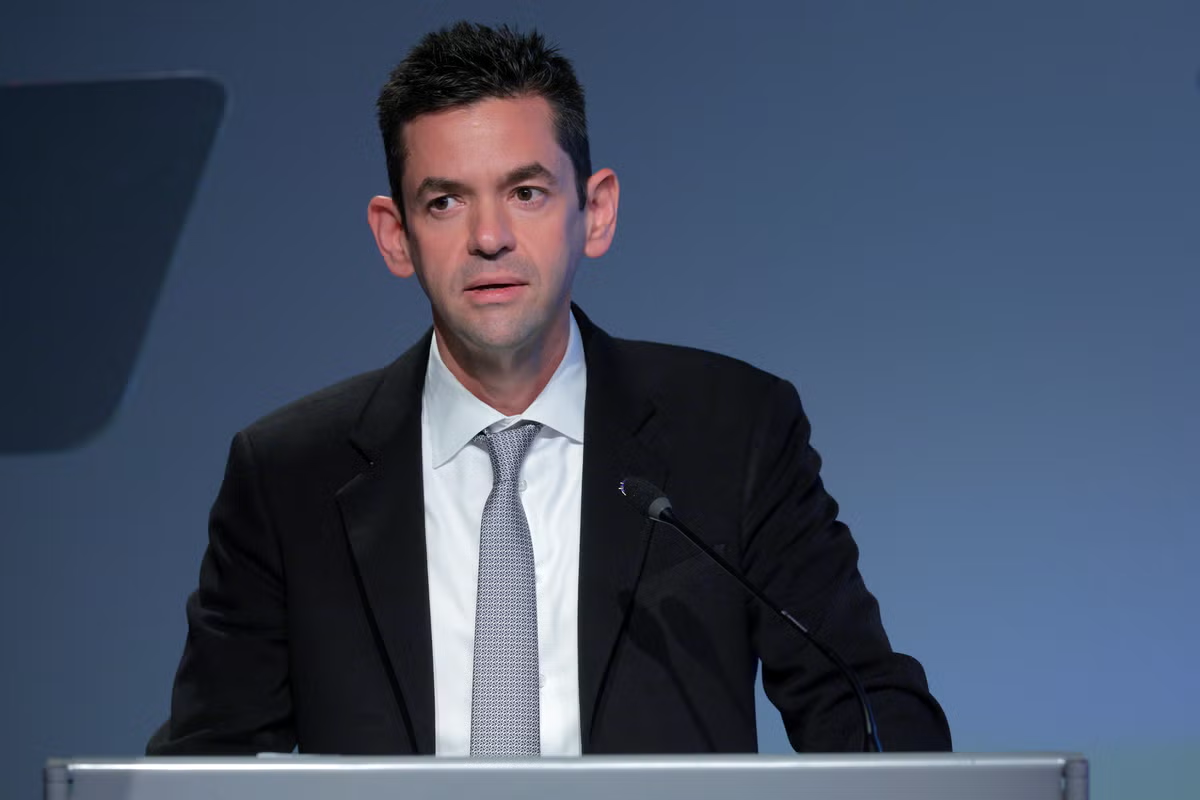
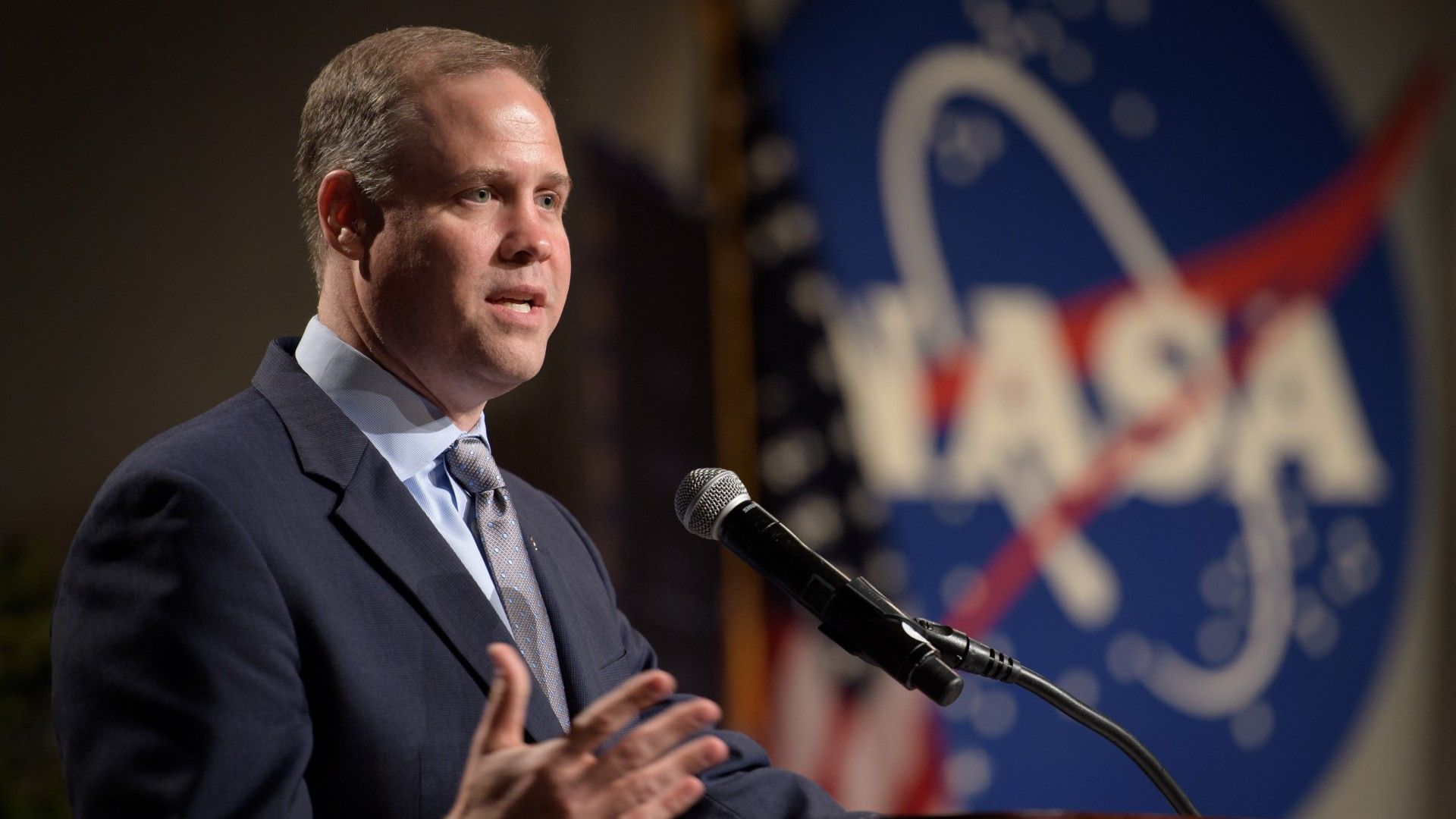
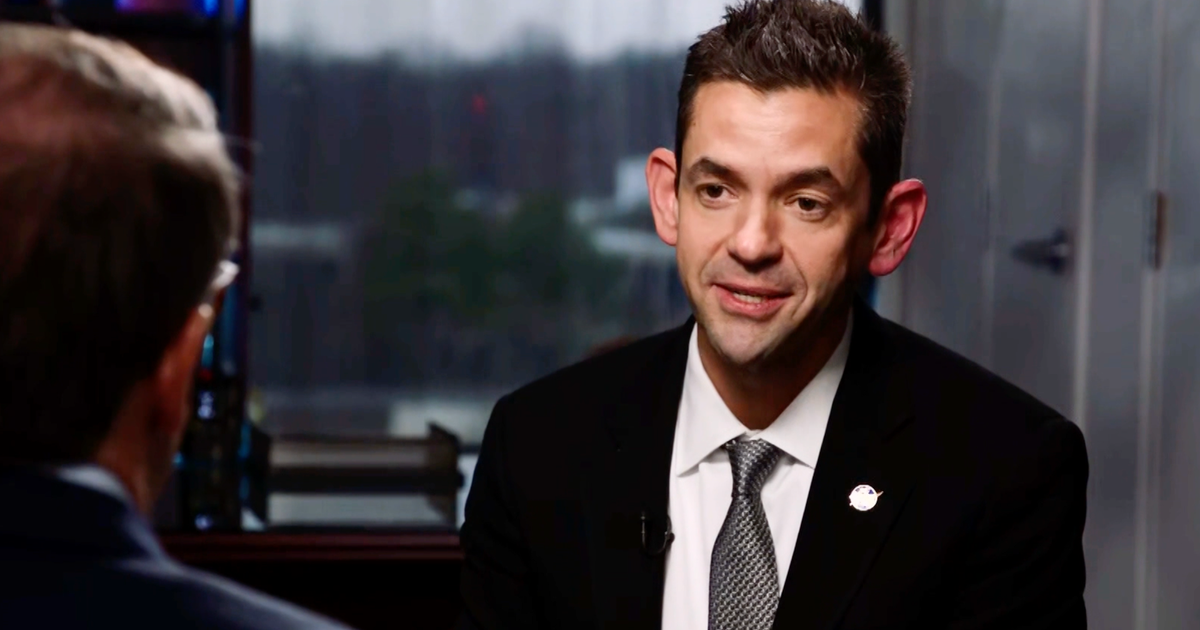
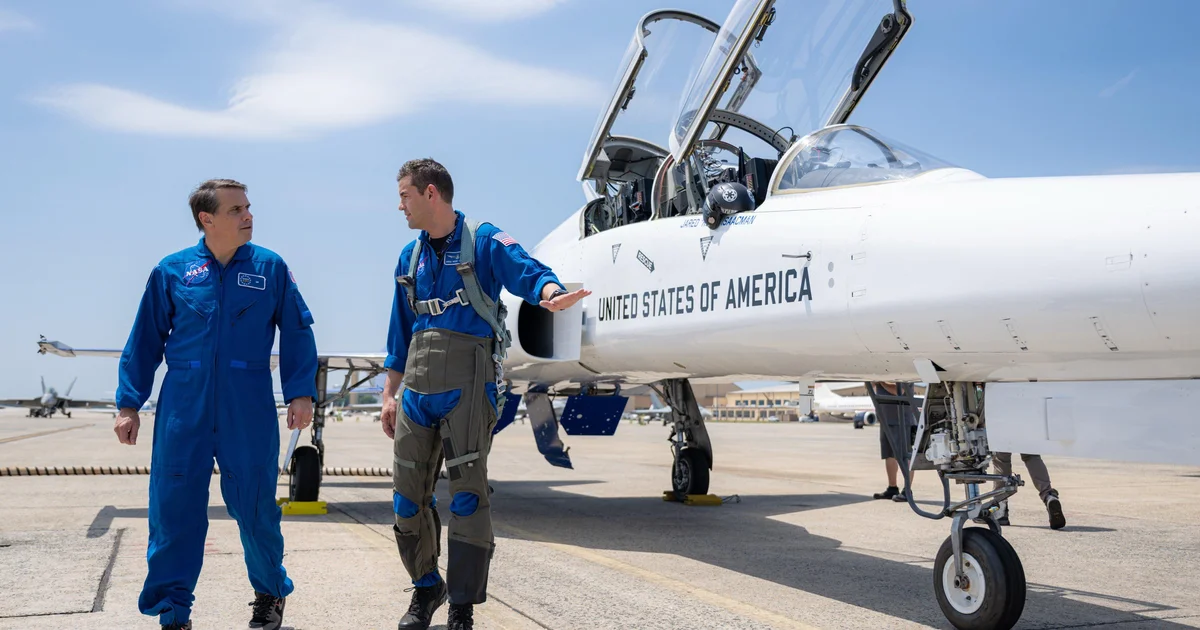
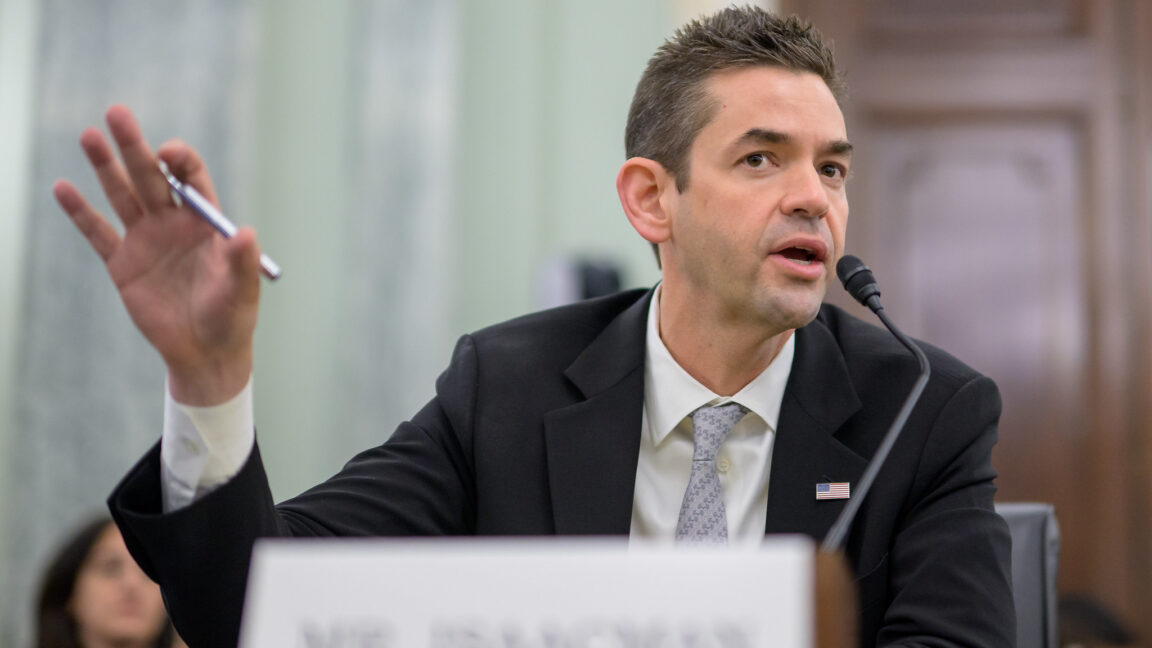
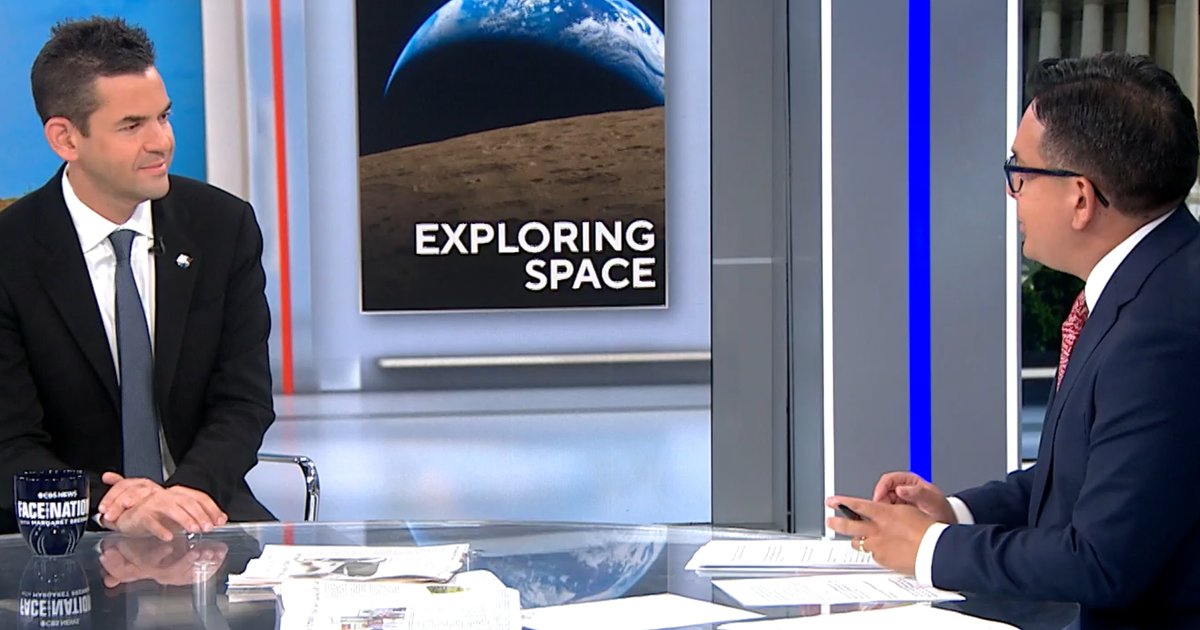
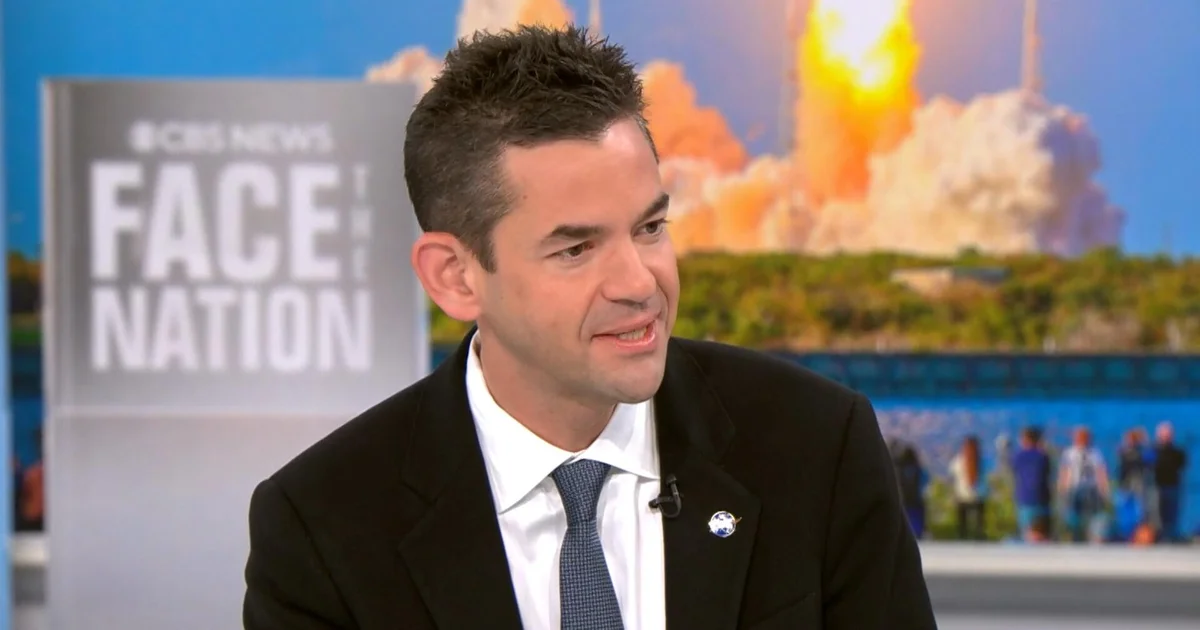
The following is the transcript of an interview with NASA administrator Jared Isaacman that aired on "Face the Nation with Margaret Brennan" on July 5, 2026.ED O'KEEFE: We turn now to NASA Administrator Jared Isaacman, who's back on the ground after his fourth of July flyover. Yes, he was one of those piloting one of those jets right there. I think you're going to stand in Face the Nation history as the first to ever pilot a flyover and then show up for the show. So, we appreciate it. Thanks for being here.JARED ISAACMAN, NASA ADMINISTRATOR: I was grateful to participate in such a historic event, as was yesterday, and to be here today and talk about such an amazing subject.ED O'KEEFE: Yeah, and it's part of why we wanted you here, because I think we've reflected on the last few months about how Artemis especially, really seemed to bring the country, and to some extent, the world back together to- to focus on this common journey back into the great beyond. Why, in your view, is it so important that America maintain a presence in space?ISAACMAN: Well, I've- I've been lucky to be in space twice and have that perspective and appreciation for just the scale of it all. I mean, best way to describe it, like we are understanding our progress on what I think is the greatest adventure in human history, is literally just dipping your toe in the grandest ocean of all. I mean, just an appreciation, I mean, we are lucky. We are lucky that we've been gifted a moon that is just four-and-a-half days away as a proving ground to continue to venture out, and we've just begun it all. I mean, all that we stand to learn from a scientific perspective, economic potential. I'll tell you, there will be a lunar economy someday. We'll be mining asteroids at some point, so it's- it's not just scientific, there's economic, there is a massive inspirational component to it. I mean, we talk about the world pausing and watching those Artemis II astronauts, right? But how many children were watching- your children, grandchildren that were watching that now want to grow up and contribute to this great endeavor as engineers and scientists and astronauts? I mean, certainly a price worth paying, but it is only, truly, just the beginning. We barely understand our solar- you know, what's in our solar system, let alone all the other stars in the Milky Way galaxy, or all the other galaxies out there.ED O'KEEFE: I want to ask you about a few things facing NASA right now. First off, in the last few days, you've launched a bit of a repair mission with private companies to work on what's called the Swift telescope that tracks gamma rays and has been falling lower and lower, closer to the Earth's atmosphere for years. How is that mission progressing now, about three days into it?ISAACMAN: Well, we're still getting data from it. It is an extremely fascinating mission. It is a rescue mission for a- for a scientific instrument that's up there. So, you know, in the past, space was extremely expensive, you'd have to spend an- a very long time building your instruments, you know, lots of layers of redundancy, which just adds more cost and more delays. And now we can take advantage of the healthiest commercial launch market in the history of America's space program, lots of different providers that can do things inexpensively, and we can experiment. So, we have a- a telescope or scientific instrument that's in some degree of distress right now, and for a very low cost, we can experiment with industry to launch a mission to rendezvous with it, dock, boost it, and give it a new lease on life. Now it's very early in the mission, as you said, it's only been a couple days. We're still establishing comms with it, and it's also very experimental, so I wouldn't have expected it to come out of the gate and be perfect, but we'll learn more in the days ahead. And if it works, this gives us options for Hubble and other scientific instruments.