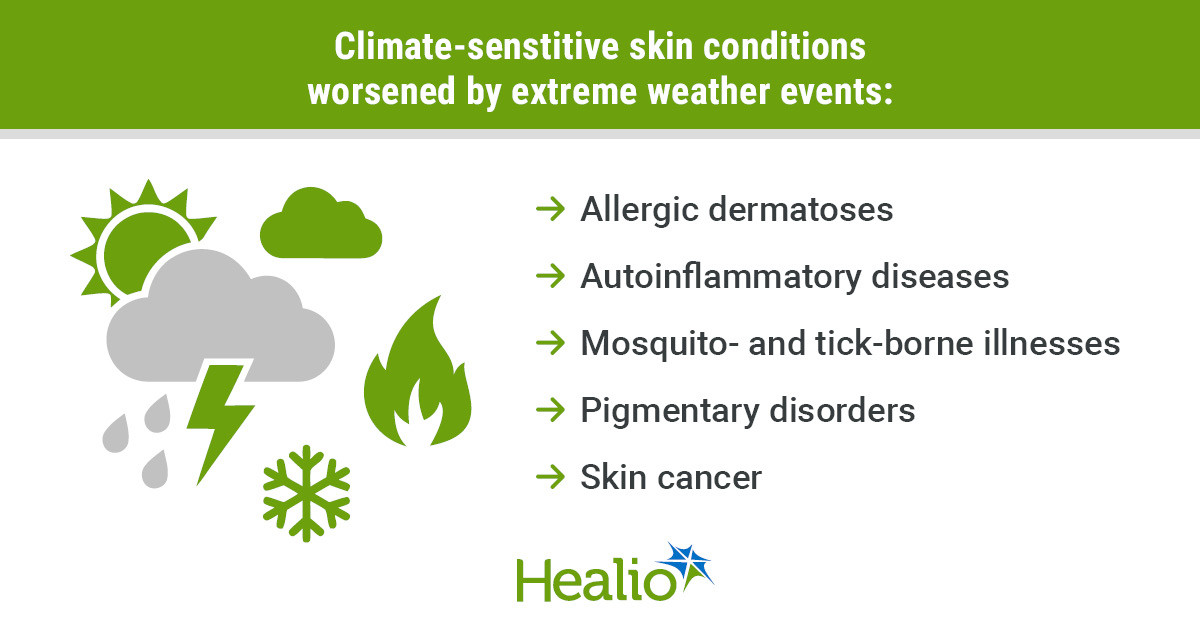
The World Health Organization has identified climate change as the single greatest threat to global health in the 21st century. This crisis spans borders and political sentiment, and increasingly, physicians will be expected to provide climate-informed care.
Surveys of healthcare professionals have shown that we, as medical trainees, are generally aware of this but lack the tools and frameworks needed to apply climate science to clinical care. Many future physicians want to learn more about planetary health, but there are currently no established universal planetary health standards for graduating physicians or other healthcare professionals in the U.S.
To build a climate-resilient healthcare workforce, we must urgently scale planetary health education in residency training. This means not siloing planetary health into an optional lecture series or a passion project for a few motivated trainees. It needs to be woven into the core fabric of residency training, aligned with competency frameworks, quality improvement curricula, and existing assessment structures, so that every resident learns to recognize climate-sensitive conditions, practice sustainable high-value care, and advocate for resilient health systems.