July 5, 2026 / 10:30 AM EDT
/ CBS News
Add CBS News on Google
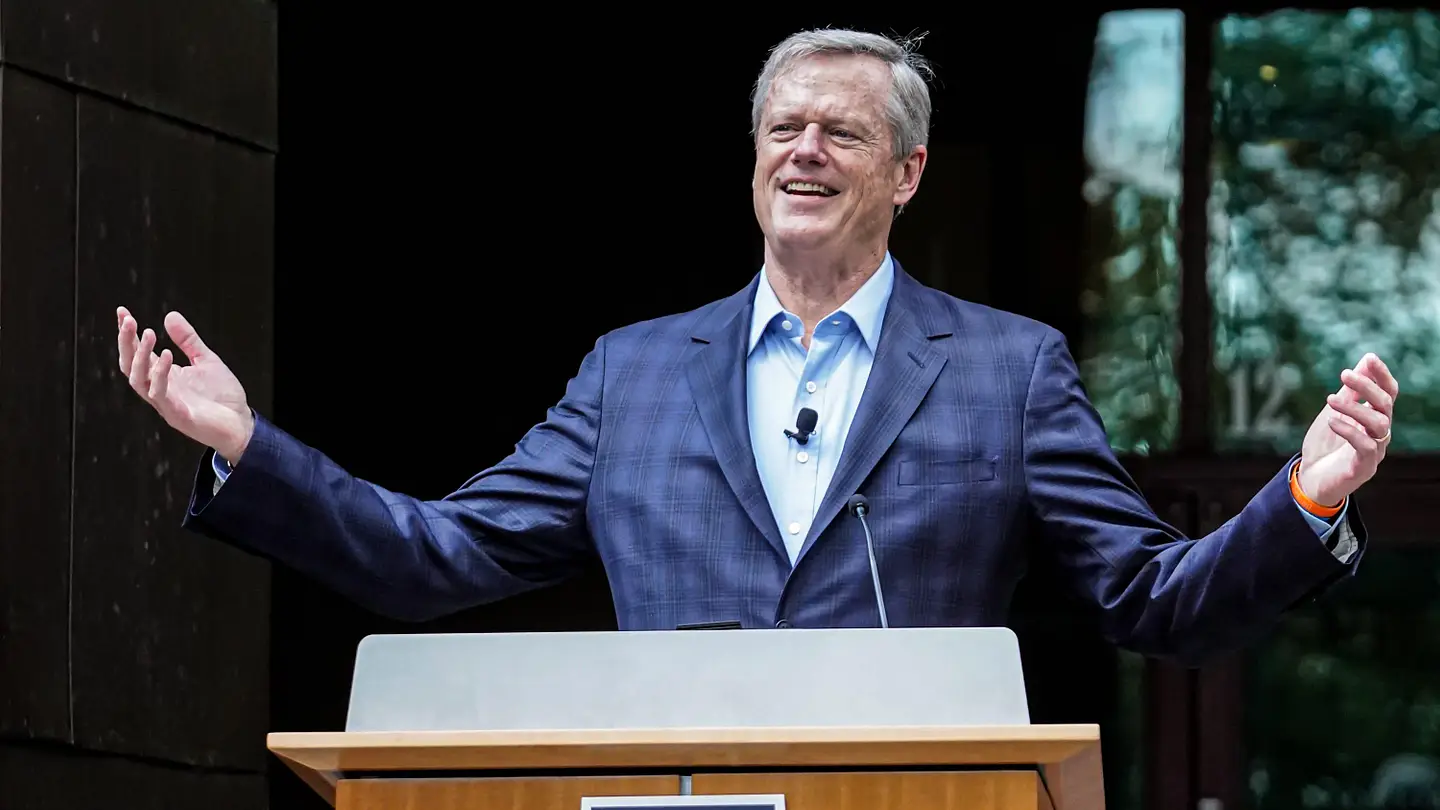
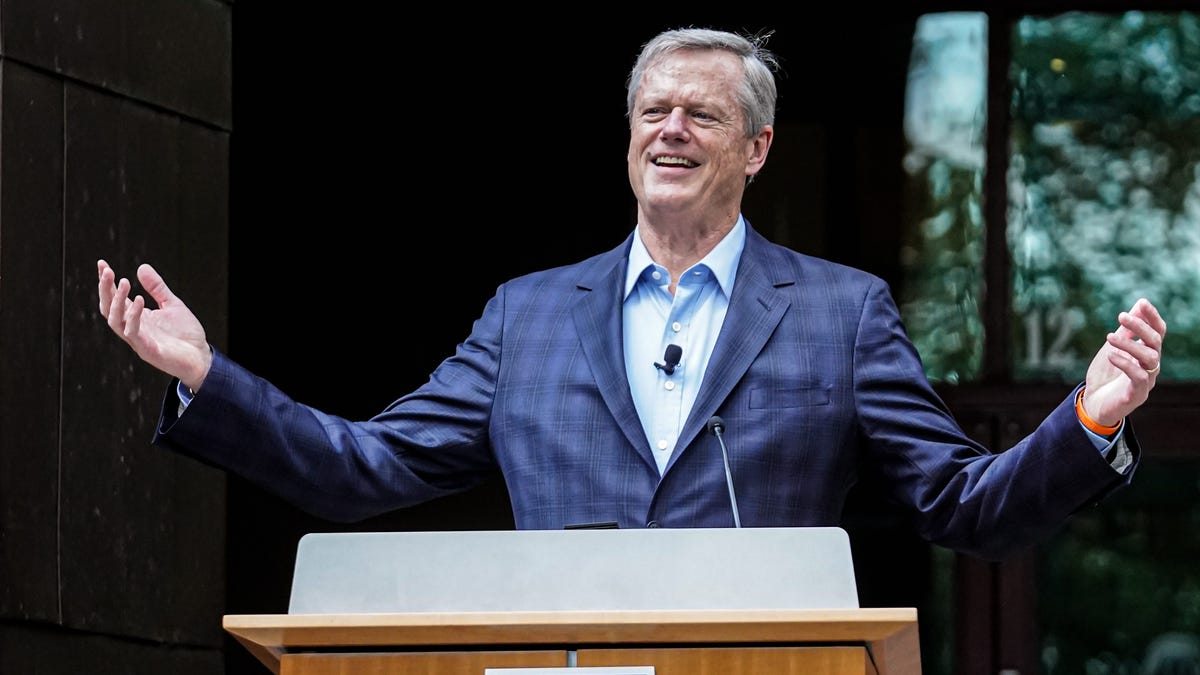
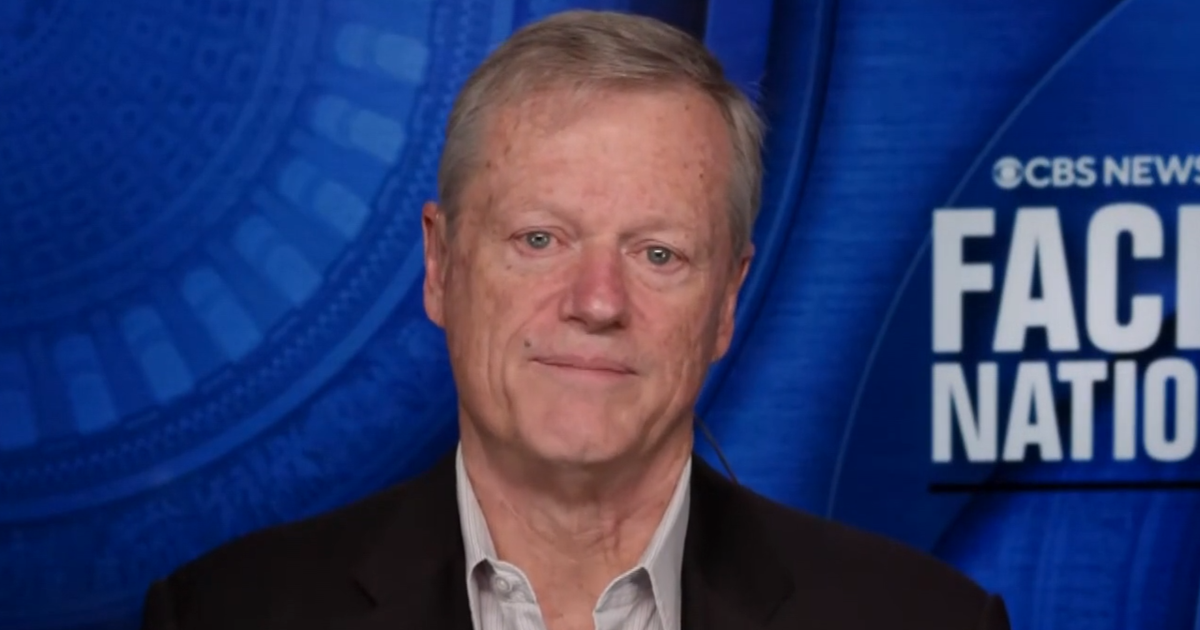
The following is the full transcript of an interview with NCAA President Charlie Baker, a portion of which aired on "Face the Nation with Margaret Brennan" on July 5, 2026. This interview was taped on July 1, 2025.ED O'KEEFE: Charlie Baker, thank you for joining us. We appreciate it. You know, college athletics has changed dramatically in just a few years, with athletes now able to earn money and schools directly sharing revenue. Earlier this year, you said the NCAA is in the middle of its biggest transformation in decades. What did you mean by that?CHARLIE BAKER: Well, if you think about the 100 years plus of the NCAA, the three biggest things that have happened, in my view, were the creation of it, almost a little over 100 years ago, the Title IX, which completely changed the playing field with respect to women's sports, and this, which was the first time you could have actual revenue sharing beyond sort of scholarship support and other kinds of academic support, and that sort of thing, for student athletes. And- and I say to people all the time that you can't go through a change that's this big and not expect a lot of bumps along the way, and we certainly have plenty of those, but as the first person who actually made a proposal around school-based revenue sharing shortly after I got this job back in 2023 I think it's a good thing. Is it messy? Yes. Could it have been less messy? Maybe. But when you go through something like this on this kind of scale, where you're talking about a billion dollars potentially going out to student athletes every year, it's going to be challenging, and as a result, it has been.ED O'KEEFE: Now, sports, and particularly college sports, as you've mentioned here, are becoming so lucrative and the subject of such great controversy and conversation that Congress has now stepped in, as you know. You're supportive of the bipartisan Protect College Sports Act, because it establishes national standards on the name, image, and likeness program for student athletes, because it limits player transfers and makes other changes that are designed to be equitable, at least in the legislation across college athletics, but you know several of the largest athletic conferences take issue with this legislation. So as Washington continues debating it, why do you think it's necessary? Why do you think it's worth passing?CHARLIE BAKER: Well, first of all, I want to say how much I appreciate the work that Senators Cantwell and Cruz and their colleagues have done on this. I mean, you can tell just by looking at the legislation where they both gave up big things that mattered to them in pursuit of something that was a bill that could be supported by both sides. In this day and age, honestly, you know, having spent a bunch of my career in public life, I know how hard that, how hard that is to do, and I appreciate it. But if you were to say to me, you know, is the eligibility system that we currently have working? I mean, if everybody would comply with it and stay out of the courts, maybe, but they don't. There is no agent regular regulation, which is a huge problem. You talk to any student athlete about that, and any school about it, they'll tell you that. This provides some regulatory structure around agents. It also deals with all the state preemption issues. We, you know, you got 40 different states with 40 different rules around how NIL should work, which makes it virtually impossible to set a national standard. You also have the elements associated with dealing with how we're going to handle some of the issues around NIL, which you mentioned. And again, you know, for all of this, what we're really trying to achieve is some sort of national framework so that you can have national championships and national competitions, in which, for all intents and purposes, everybody's playing by the same set of rules. Now, I understand some of the concerns that the Big 10 and the SEC, in particular, have raised with the bill. We have some concerns with the bill too. But to simply walk away from something that deals with a number of the most significant challenges that face college sports at that point in time, in my view, would be a mistake, and I spent time talking to folks in all of the power conferences, and the rest of Division I, and Division II, and Division III about this, and my message to them has been, look, these folks crafted a bipartisan bill, really hard to do, does everybody love everything about it? No. Is the process associated with crafting it done? Also, no. So, let's take seriously this opportunity to support the process, support the effort, support the parts of the bill that we believe in. And then continue to try and work with folks in the Senate, and hopefully ultimately folks in the House to create something that we can all get behind.ED O'KEEFE: You know, there are a host of issues we could dive into regarding this. I guess I want to start with the fact that you know by allowing the NIL and allowing schools to directly share revenue, you are seeing different Division I programs in other sports, other than football and basketball, which are the biggest, get cut, things like volleyball, track and field, a lot of the Olympic sports, and there's been a lot of concern about that. What does this legislation do? What's the NCAA doing to ensure that, while all the money is going into football, basketball, lacrosse, maybe to some extent volleyball, women's volleyball, to some extent, but all those other sports, what are you doing to protect those and ensure that athletes who want to participate in those will still be able to do so?CHARLIE BAKER: Well, first of all, the idea that- that sports are being cut only tells half the story, because at the same time certain sports may be being cut, other sports are being introduced. If you look at the number of kids who are playing sports right now in Division I, and you look at the number that are playing in Division II and Division III, they're basically pretty close to all-time highs. And there are certainly more kids playing in college sports now than there were when I got this job three years ago. No one ever writes about or talks about or promotes the sports that get added. The only talk about, which I understand having come out of politics myself, about the sports that get cut. And- and I think one of the things we can do, and have done, by dealing with all the issues that were associated with this issue around revenue sharing, which again I supported soon after I got the job. I think we've created a mechanism that limits a lot of what would have been future potential risk that was far more dramatic than actually solving this problem, creating a process and a structure, and moving forward. I also think the- the investments that the schools are making in many of the Olympic sports are real. And I visited a bunch of those campuses, and I've talked to a lot of the schools that are some of the biggest players in the Olympic sports movement, and they believe those are huge parts of their brand, it's huge parts of how they excite their alumni, it's huge parts of how they create community on campus. And by the way, it's also a huge part of how we do well in the Olympics. I mean, our "Olympians Made Here" program, which we ran in conjunction with the networks that sponsored and supported the 2024 winter and summer Olympics were unbelievable in terms of the visibility and the attention they brought to the role that schools play in Olympic sports. Should we pay attention to this? Yes, we track all this stuff every quarter with respect to adds and subtracts with regard to sports that are being made available and sports that are being reduced. But, I think the idea that somehow there's a crisis here, I don't buy it first of all. And secondly, I think the- I think the legislation does deal with this in a variety of ways. I happen to think there are better ways to deal with it, and it's an important issue, and we're going to continue to talk to folks in the Senate about that. But I think this notion that somehow paying or providing revenue sharing to kids in high revenue sports, of which, frankly, there's really only two, football and some basketball programs. People need to remember the football and men's basketball, for the most part, supports all the other programs that schools make available, especially in Division I. And that is not an insignificant issue. When you think about this, I believe that at the end of the day, the best way to deal with it is to treat the sports that generate significant amounts of revenue appropriately, right, and make sure there is this opportunity to share revenue. And then track and pay attention to what's going on everywhere else. I'd also point out we've raised $300 million in new revenue since I got this job, and a big piece of it is going to pay off some of the legal settlements that I inherited when I got the job--