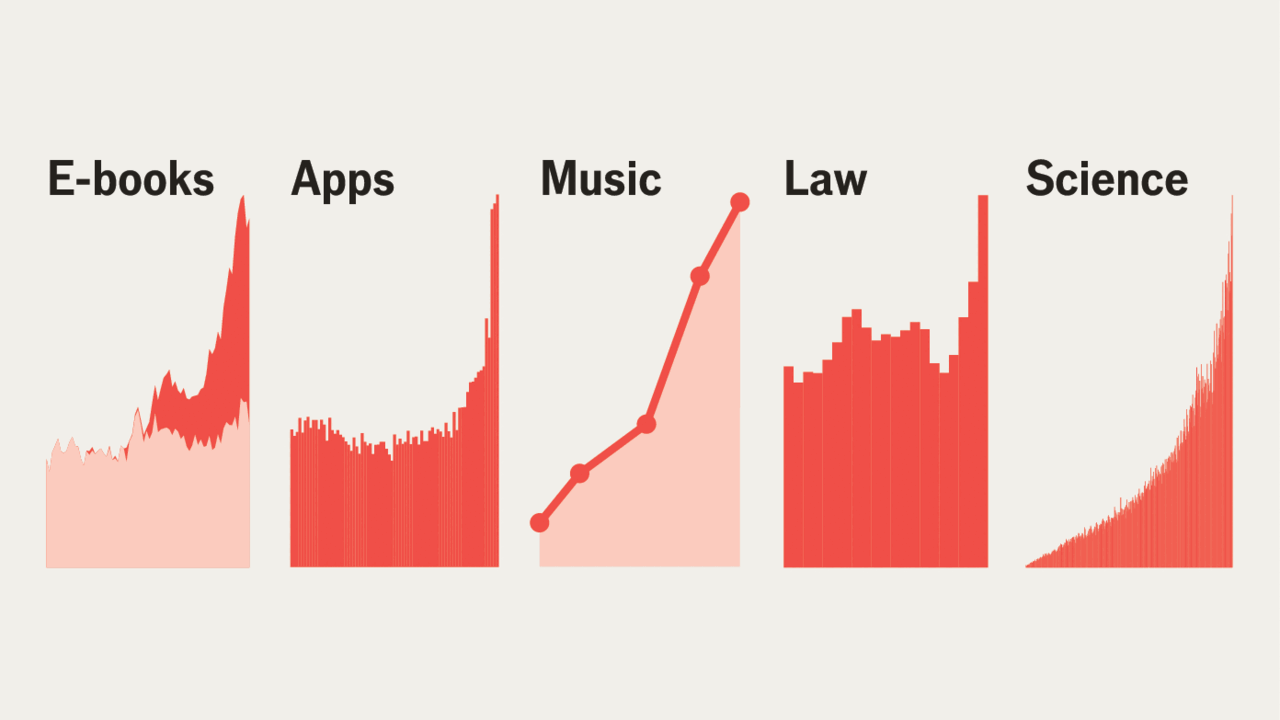
Five years ago, AI struggled to form coherent sentences. Today it's reaching beyond human level on a widening range of tasks. That gap, five years, is the whole story of this article.
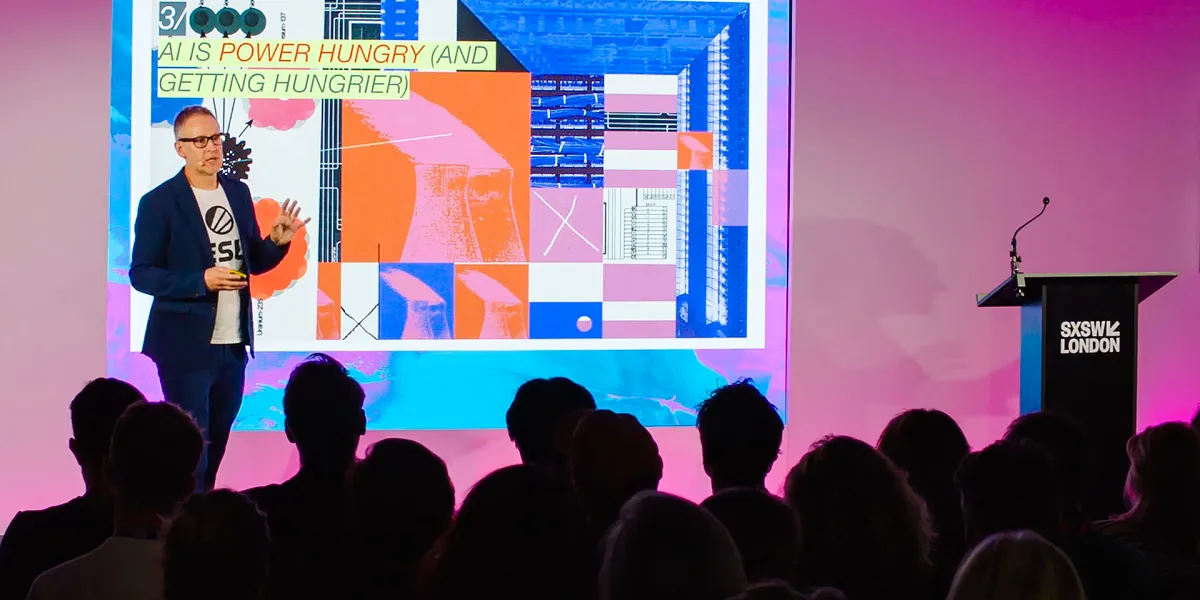
I gave a talk on this recently to a room of engineers, and I want to write down the version of it that lives outside a slide deck. Not as a hype piece, and not as a doom piece either. Just an honest walkthrough of what's happening, why it's happening this fast, and what it means for people who build technology for a living.
Why now
The length of coding task AI can complete has been doubling roughly every 4 months since 2023, according to METR's time horizon research. Extrapolate that curve and AI is expected to handle week-long software engineering tasks by September 2026. A new frontier model launch pushes the state of the art forward nearly every month.
This isn't a discussion about the distant future. AI is already changing how software is built, secured, and operated. If you work in technology, your decisions this year, what you adopt, what you automate, what you secure, and what you govern, will shape how competitive and resilient your organization is in an AI-driven industry.