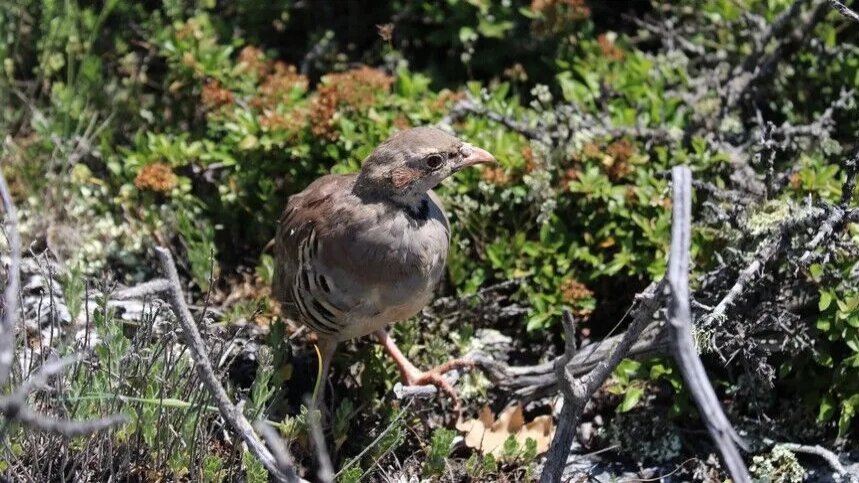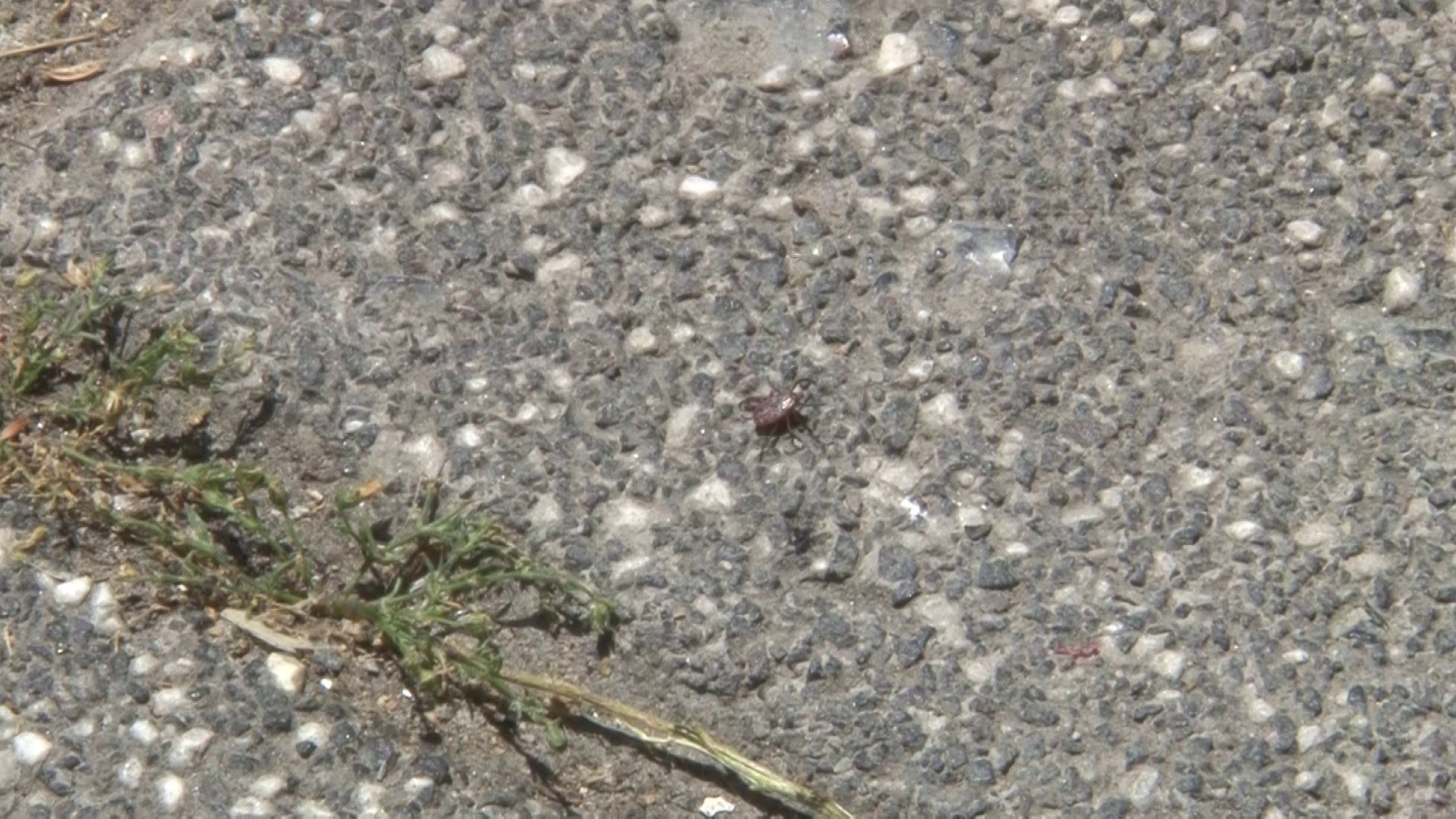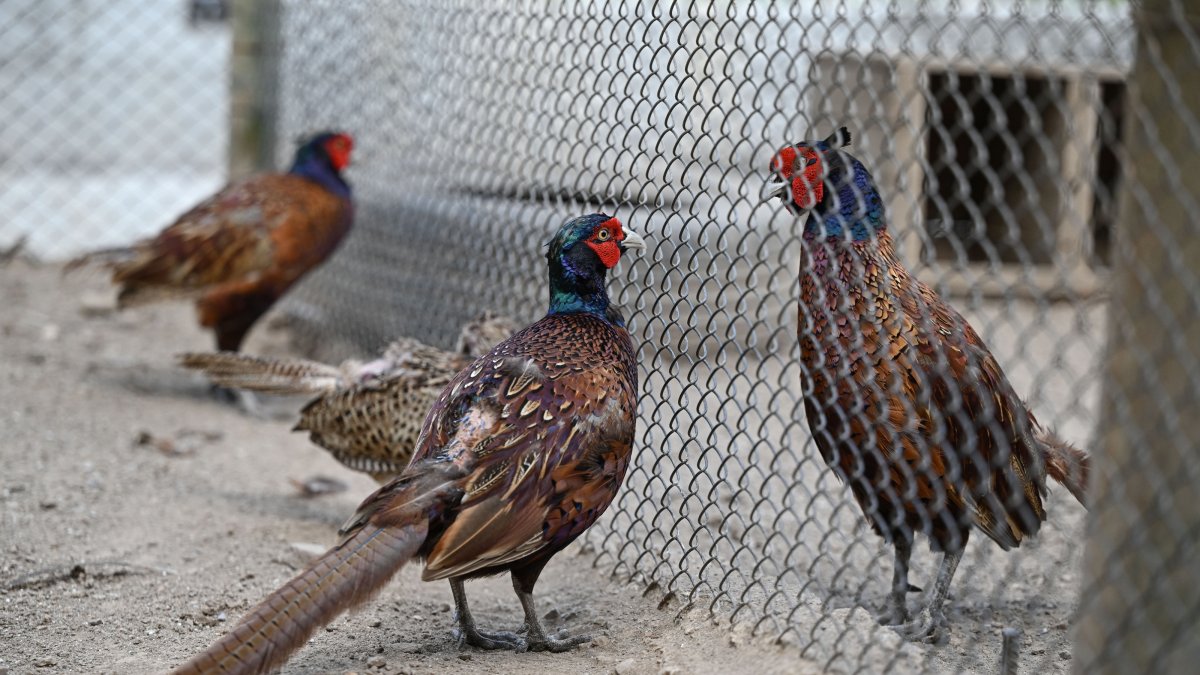
Pheasants bred at Istanbul's Polonezköy Pheasant Breeding Station are being released across Türkiye after several months of development to help naturally control harmful pests, including ticks and brown marmorated stink bugs, while supporting biodiversity and wildlife conservation.
The Polonezköy Pheasant Breeding Station, operated by the Istanbul 1st Regional Directorate of the General Directorate of Nature Conservation and National Parks (DKMP) under the Agriculture and Forestry Ministry, has been breeding and reintroducing the declining Caucasian pheasant into the wild since 2007.
The annual breeding season begins each spring and gains momentum in April, when eggs are collected and placed in incubators. The eggs are kept in specially designed machines where temperature and humidity are carefully monitored until the chicks hatch.
After hatching, the chicks are raised in temperature-controlled facilities before being transferred to larger enclosures, where they develop stronger leg muscles and gradually adapt to conditions similar to those they will encounter in the wild.
Once they complete approximately two and a half months of development, the pheasants are released from late July into suitable habitats across different provinces of Türkiye. To improve the birds' chances of surviving and reproducing naturally, hunting is prohibited in release areas for three years.