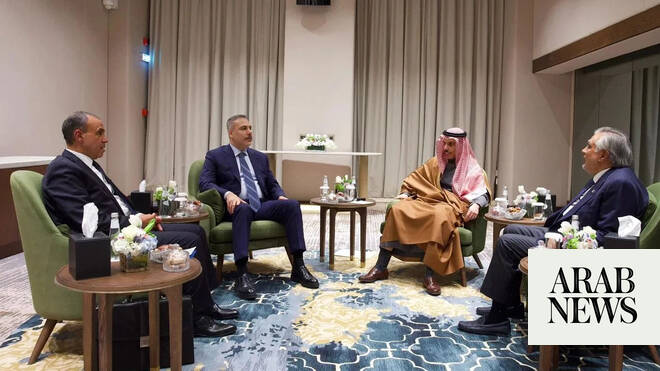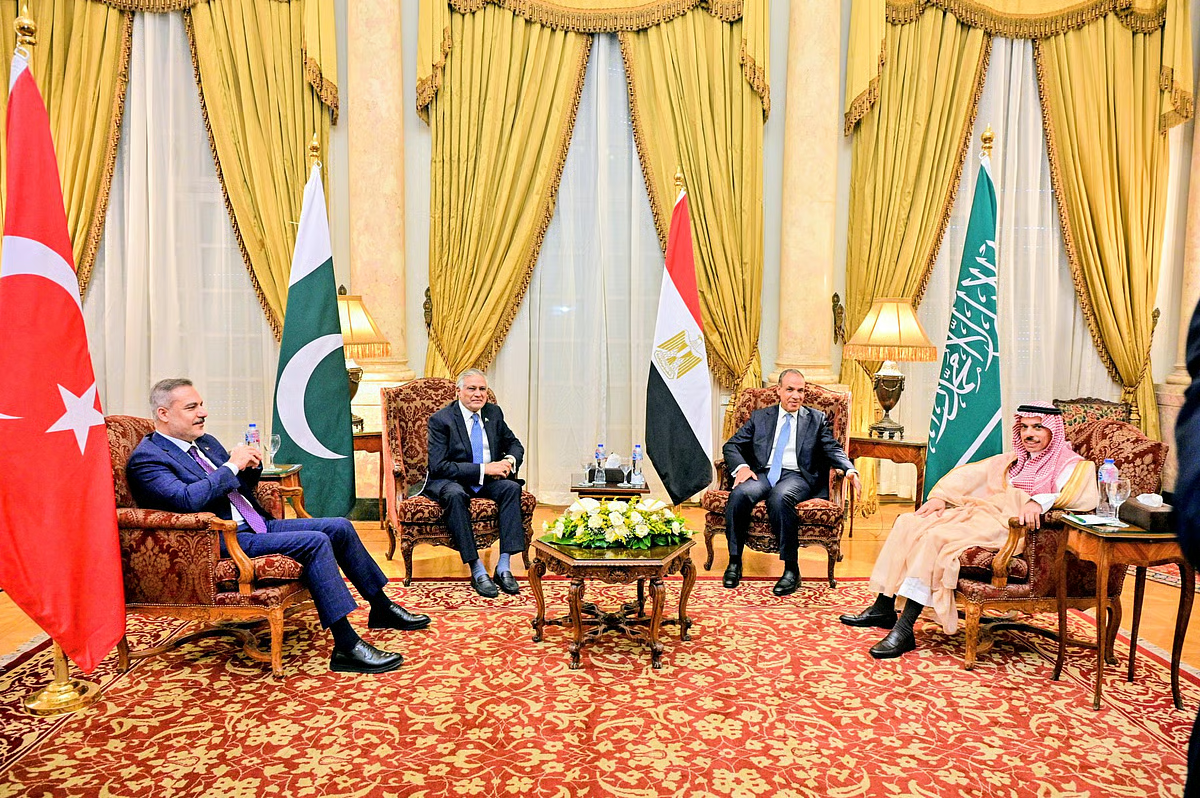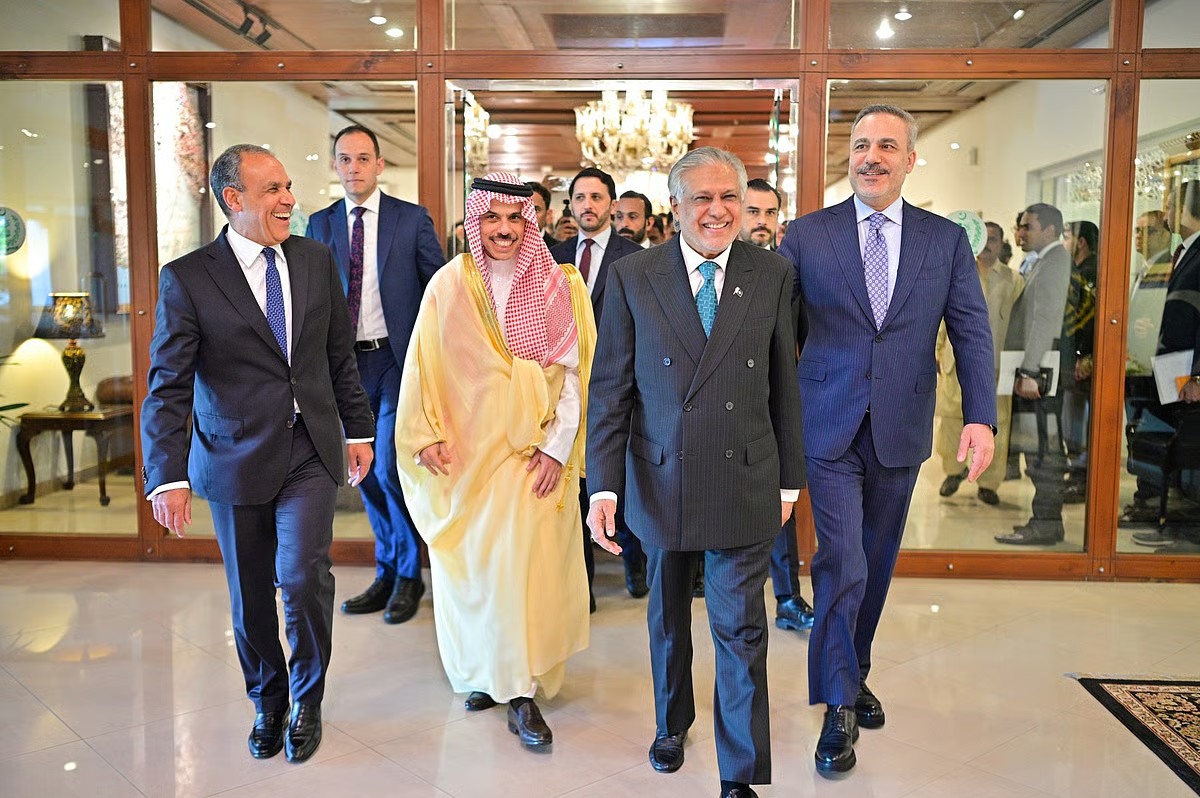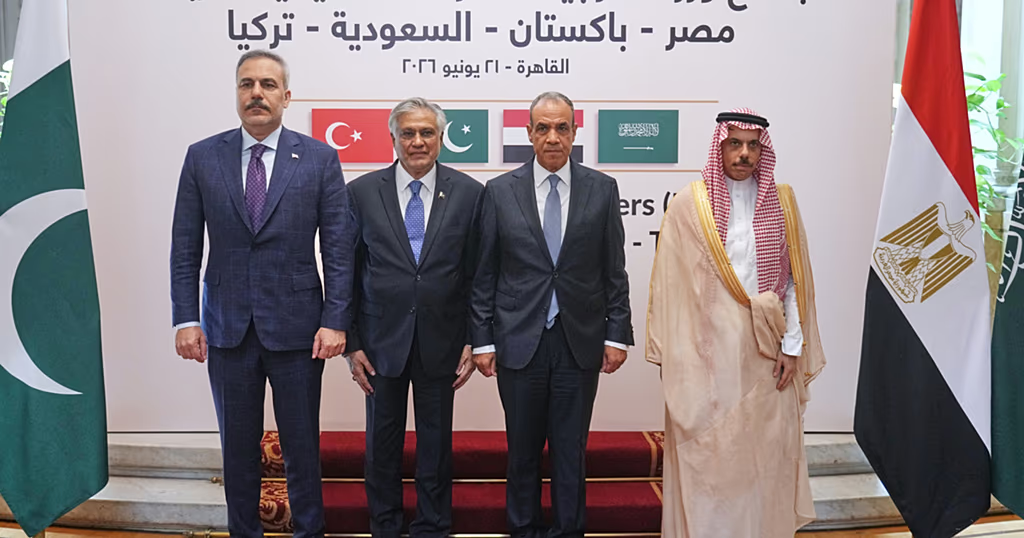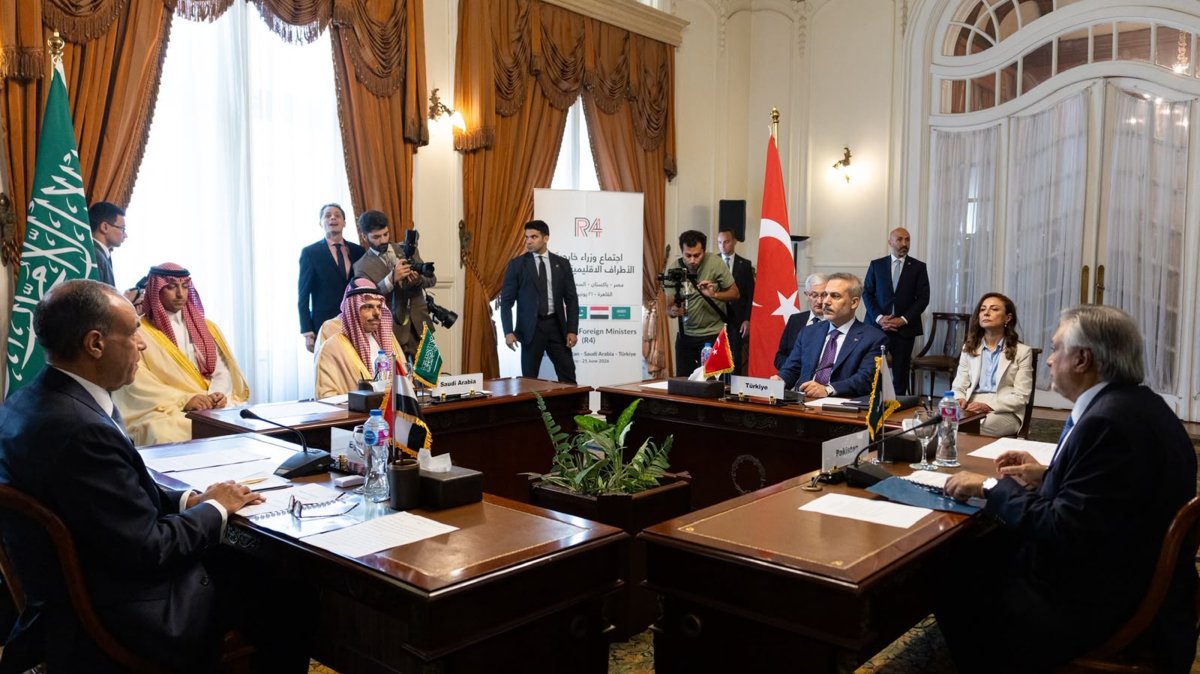
In recent years, relations between Türkiye, Saudi Arabia and Egypt have steadily improved. This trilateral engagement has, especially after the outbreak of the U.S.-Israeli war against Iran in late February 2026, expanded into a broader framework that also includes Pakistan. The scaling up of ministerial-level consultations and the platform between the four countries has reshaped the security architecture of the region.
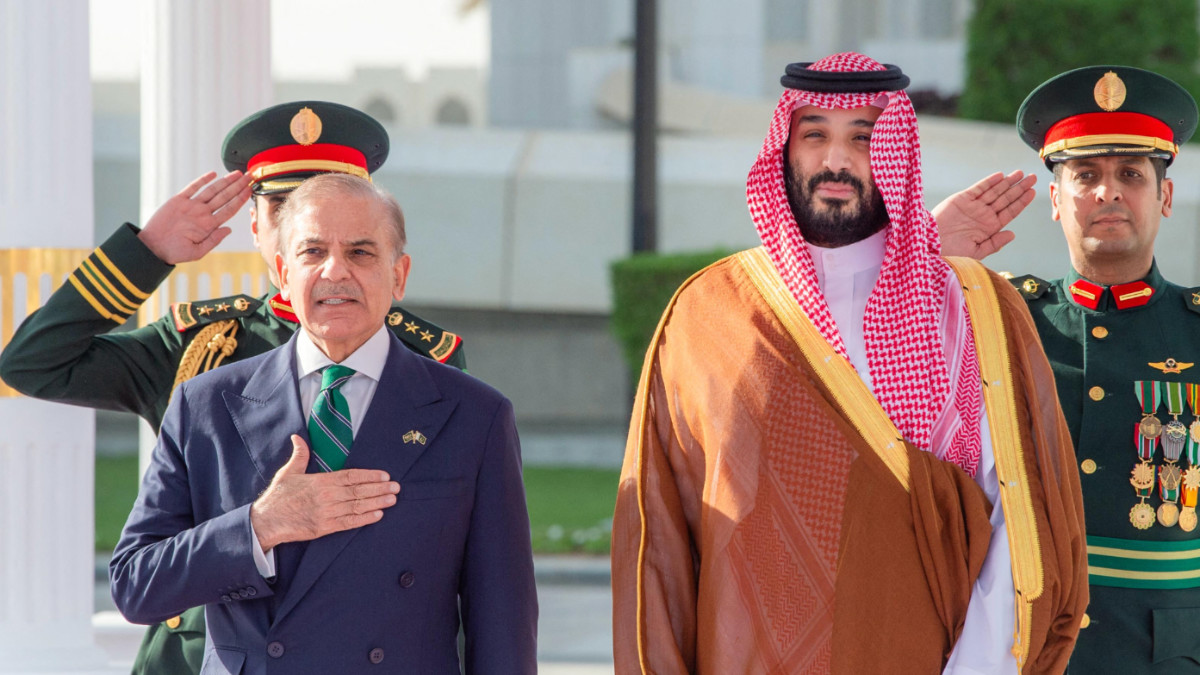
The driver behind this realignment has been the shared exposure of Ankara, Riyadh, Cairo and Islamabad to a regional order that none of them can control on their own. This became evident after the closure of the Strait of Hormuz, first by Iran and later by a U.S. naval blockade. The penetration of American and Israeli attacks into what Gulf capitals had long considered a Washington-secured neighborhood has prompted Riyadh to reconsider its reliance on U.S. security guarantees. Saudi Arabia’s mutual defense pact with Pakistan, signed in September, had already signaled a search for alternatives.
Any formal joint defense commitments between these four states are still absent, and none has offered the others anything resembling collective defense. However, the frequency of their diplomatic engagements has begun to outweigh the informality of the framework itself, giving it an institutional weight that few observers anticipated. Emboldened by their shared exposure during the February war, the four countries have, over the past several months, made serious efforts to consolidate a joint consultative mechanism. They met three times between March 19 and April 18 alone, first in Riyadh, then in Pakistan, and later on the sidelines of the Antalya Diplomacy Forum.