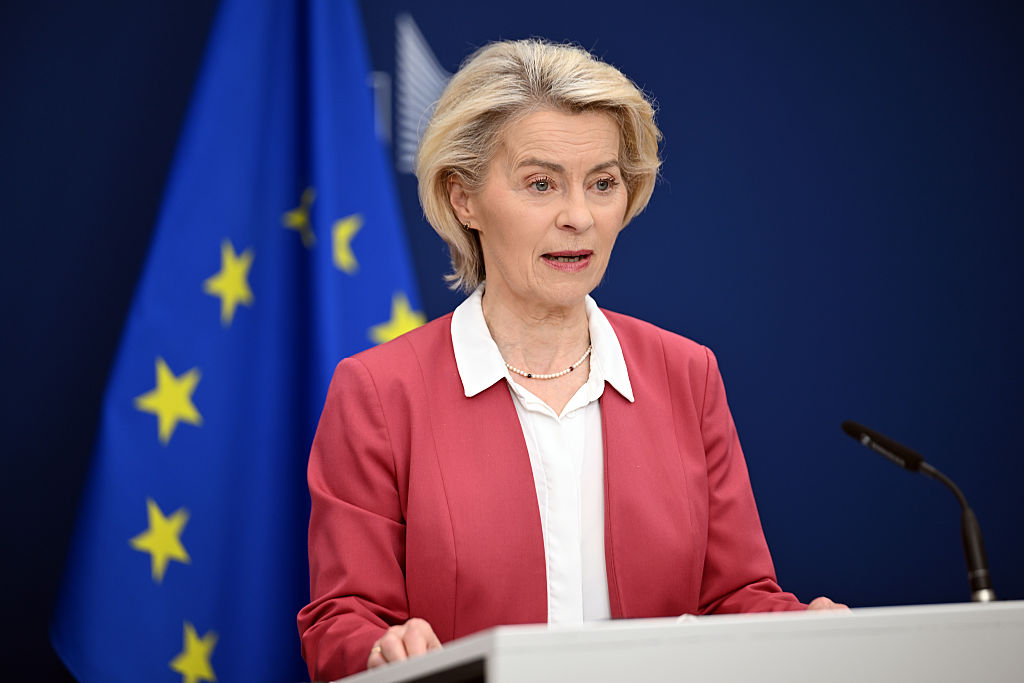
Last month, European Commission President Ursula von der Leyen formally proposed the EU’s latest sanctions package on Russia – the bloc’s 21st (yes, twenty-first) since Russian President Vladimir Putin launched his country’s full-scale invasion of Ukraine in February 2022. The package is largely identical to the 20 that preceded it. It includes several additional shadow fleet listings (30, this time); a smattering of transaction bans on Russian banks (31, this time) and third-country firms (20, this time); and a handful of extra export restrictions (metals, mostly).JOIN US ON TELEGRAMFollow our coverage of the war on the @Kyivpost_official. The package’s genuinely novel measures are, predictably, also the most controversial. Brussels’ call to limit imports of Russian fish, for instance, has sparked concerns in Germany and other major importers about the possibility of finding alternative (cheap) sources of supply. A proposed ban on Russian soldiers from entering the EU has led France and Italy, which receive the bloc’s highest number of Russian visa applications, to object to its legal and practical feasibility. And the proposal to sanction Patriarch Kirill, the head of Russia’s Orthodox Church, has been vehemently condemned by Bulgaria, an Eastern Orthodox country whose prime minister described the move as a throwback to the “era of the Crusades.” Still, EU diplomats and officials overwhelmingly expect the package, which must be unanimously approved by all 27 EU countries, to be greenlit within the next couple of weeks.
EU’s 21st Russia Sanctions Package Faces Criticism
Brussels’ 21st sanctions package on Moscow exposes the failure of its strategy to end the Ukraine war.
1,181 words~5 min read