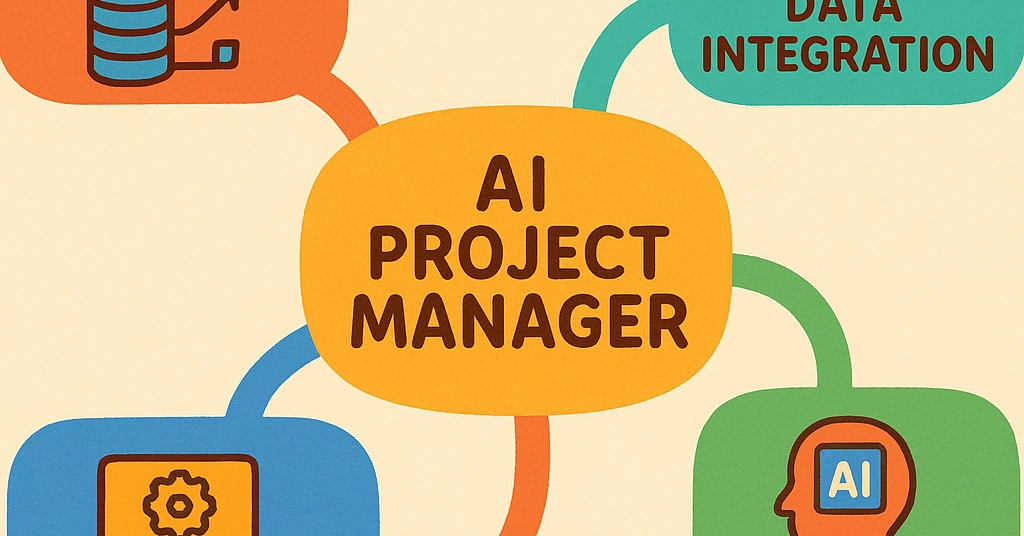
AI Project Manager: Connecting Data, Models, and Products
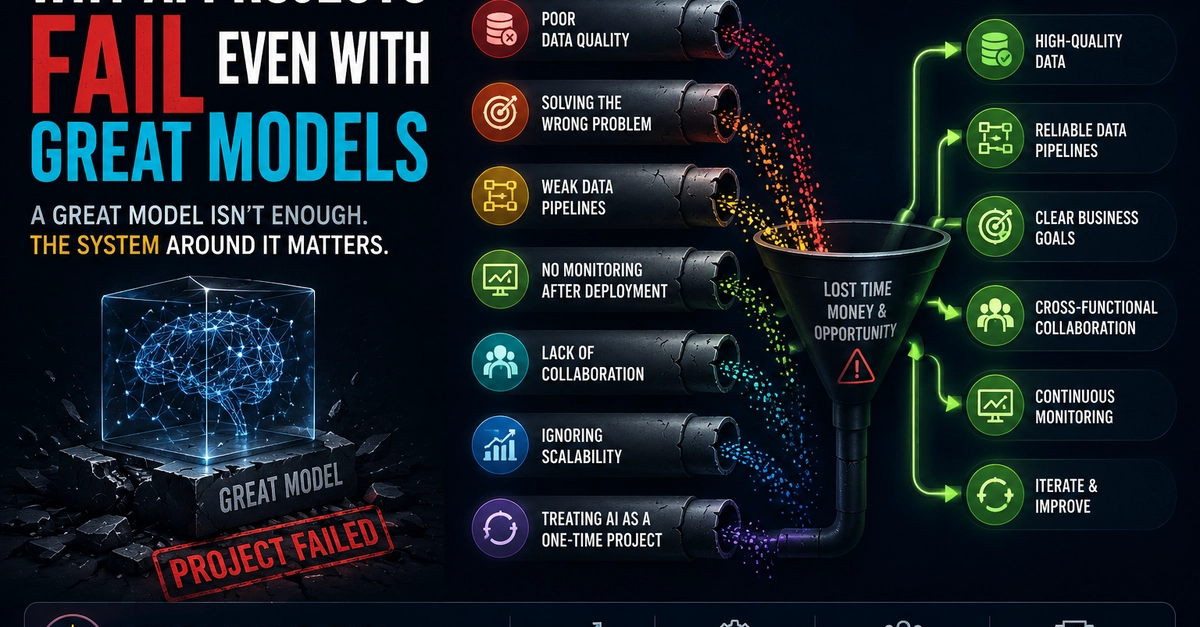
I've noticed a common scenario many junior team members face: as soon as the company mentions an "upcoming AI project," they immediately think of models, prompts, ChatGPT, LLMs, and chatbot demos. Yet, once the project kicks off, the focus shifts from "which model to use?" to questions like: Where will the data come from? Who has access? Which environment to deploy on? How to measure performance? How to handle a rollback when the model makes mistakes? And how should the backlog be written so developers, data scientists, and business teams understand? 😅
I believe the role of an AI Project Manager isn't about becoming a data scientist or cloud architect. Your real strength lies in connecting the dots: understanding enough about data architecture, AI platforms, DevOps, MLOps, GenAIOps/LLMOps, risk management, and utilizing AI to streamline project management itself.
1. AI Projects Begin with Data Architecture, Not Just Models
Looking at an AI architecture diagram on, say, Microsoft Azure, you’ll realize it’s not just a standalone "AI module." It’s akin to an industrial kitchen where ingredients are acquired, sorted, stored, cooked, and quality-checked before being served to customers. The AI model is only a part of this assembly line.