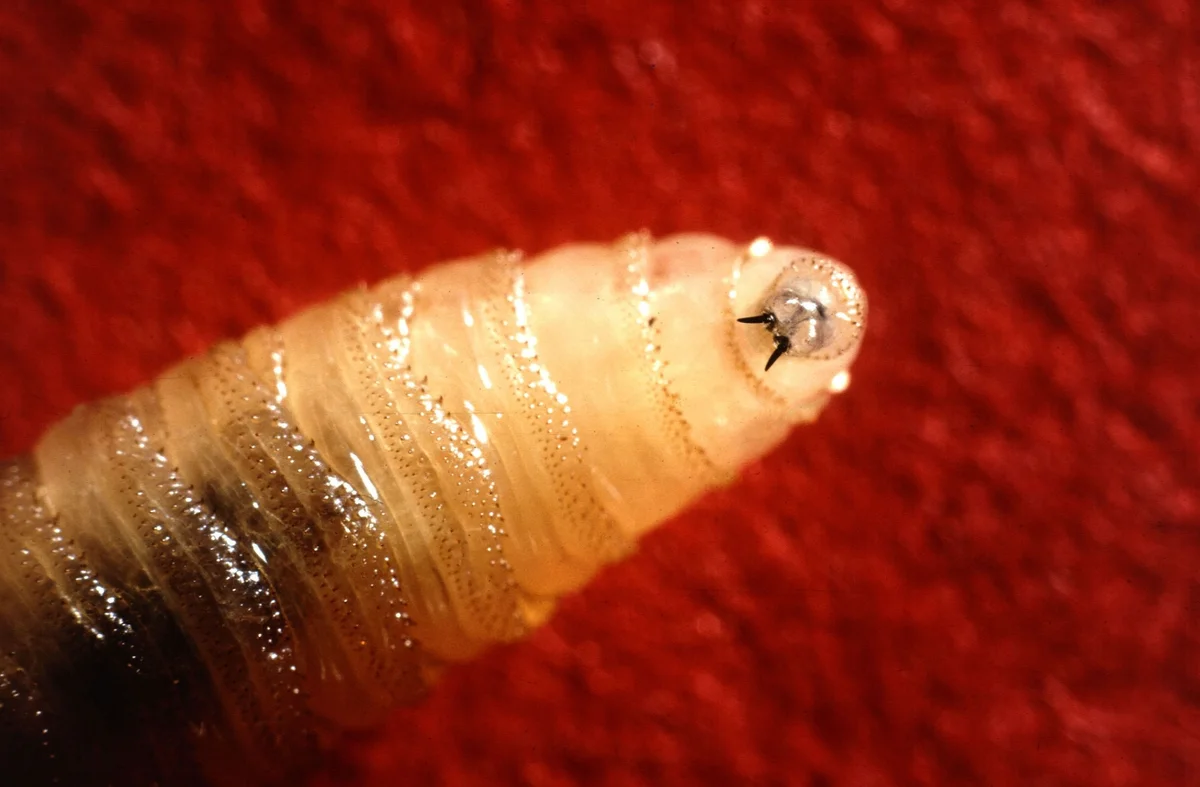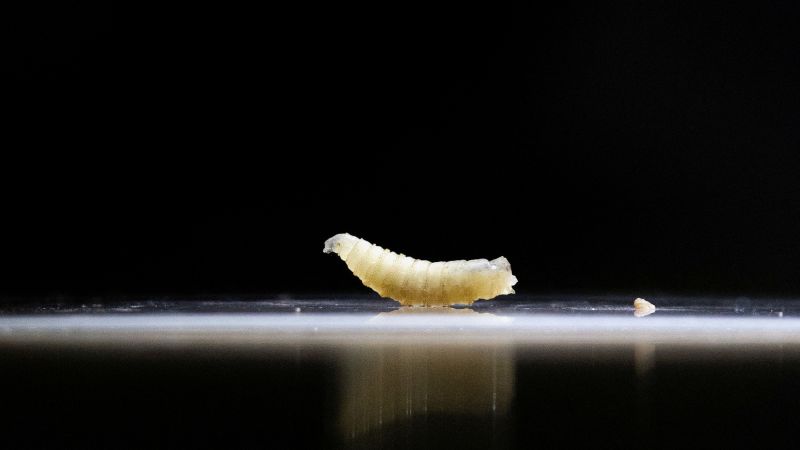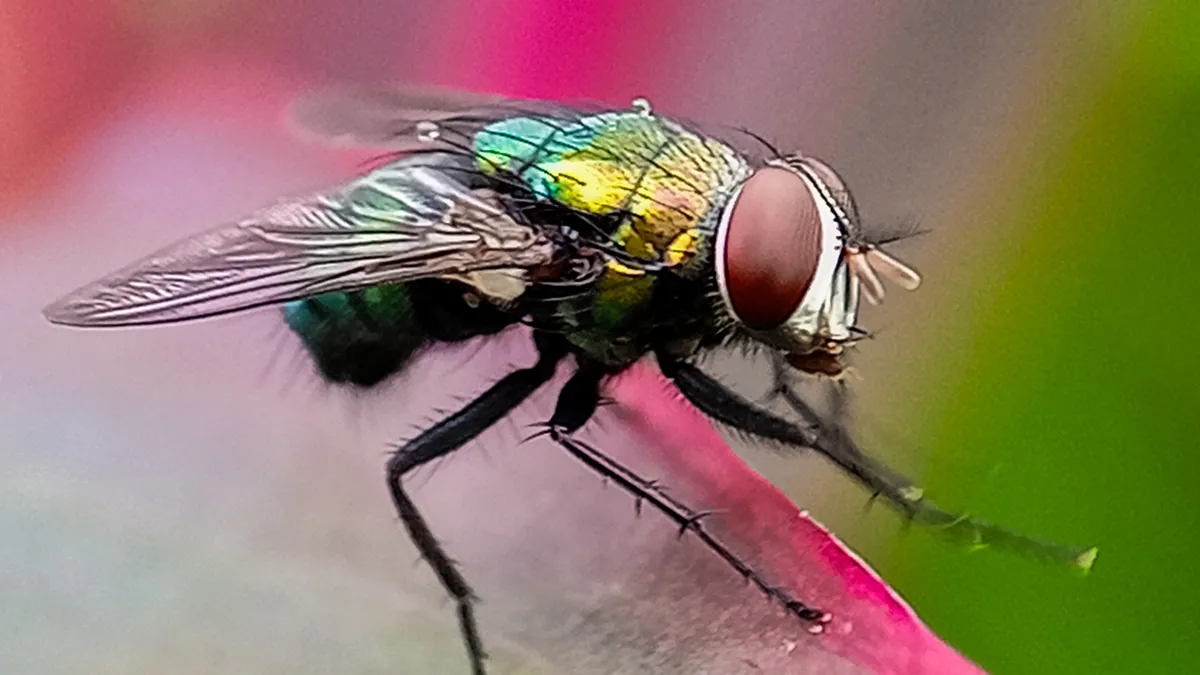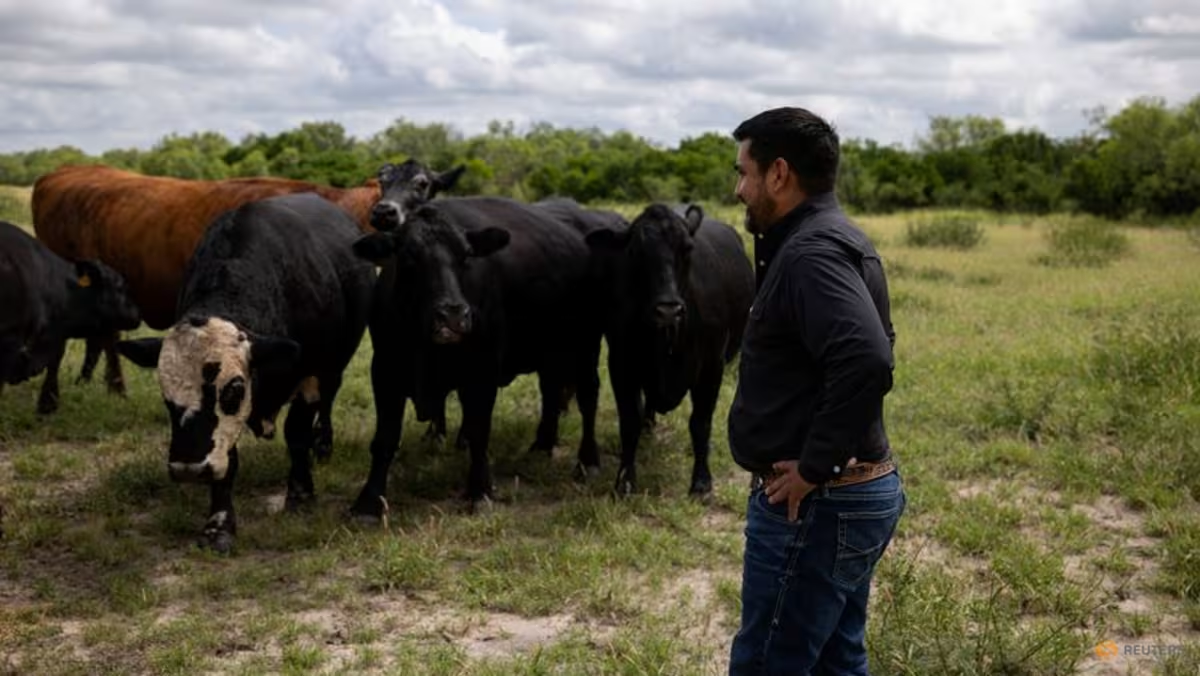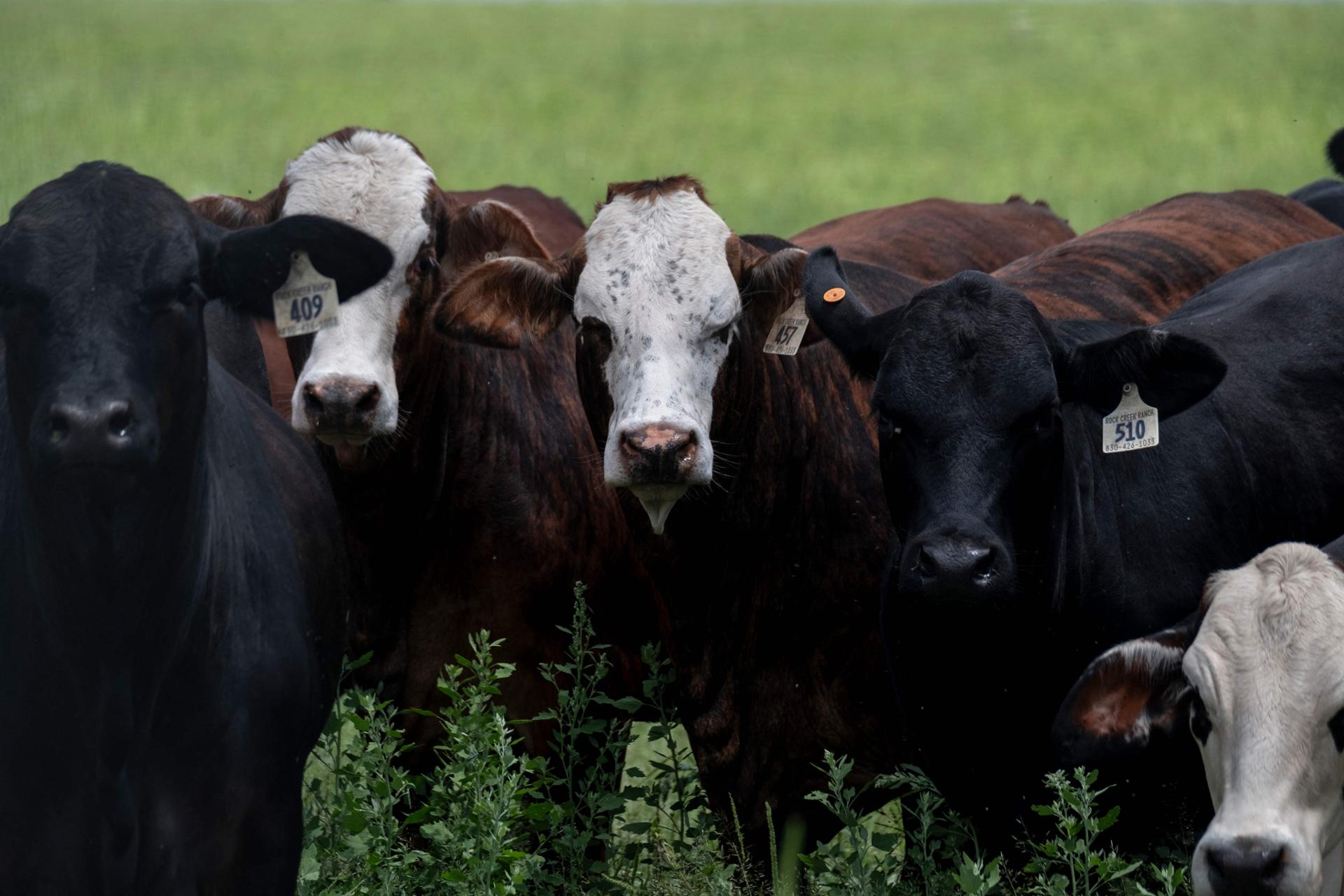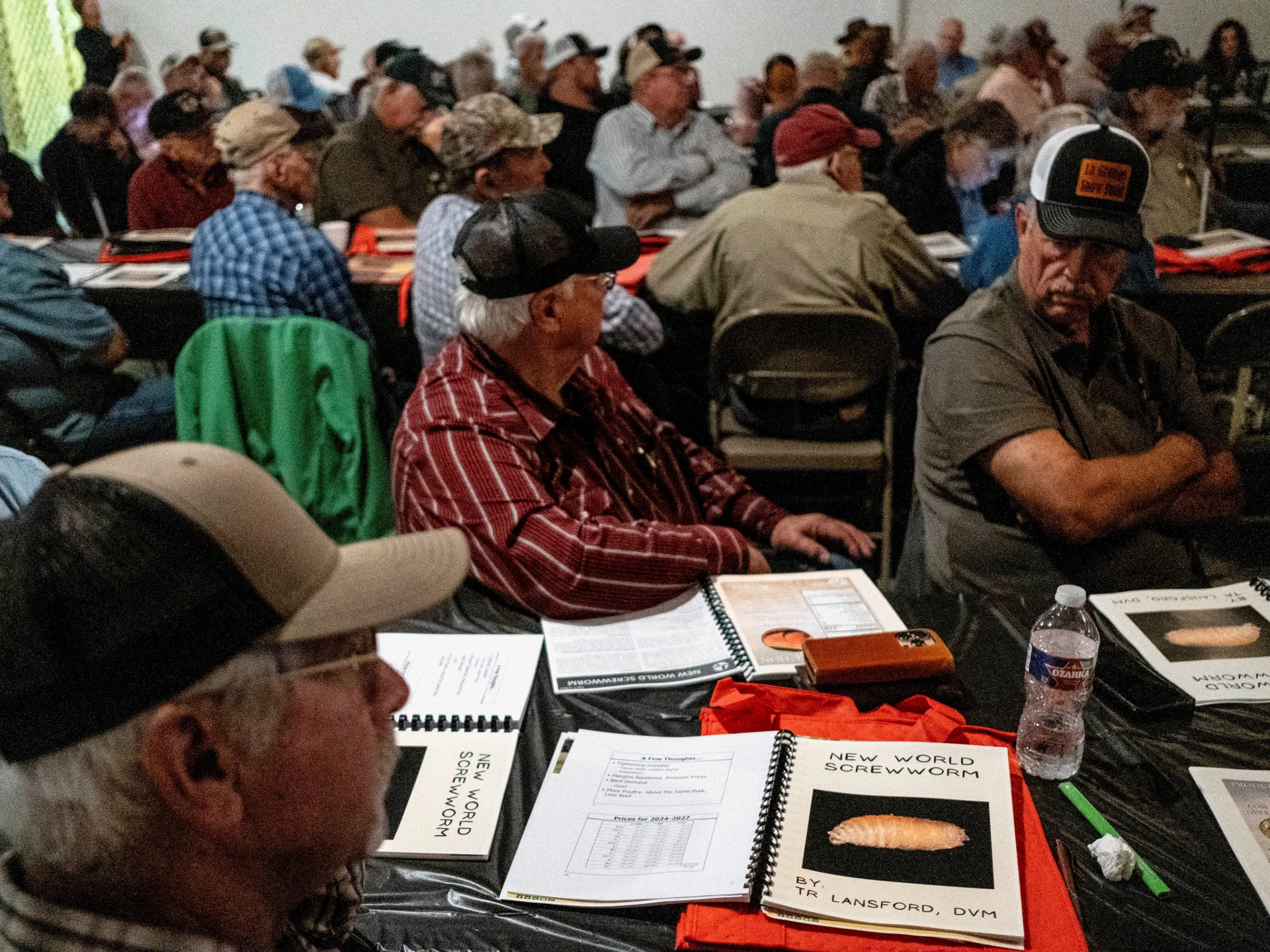
The New World screwworm, which was found in the United States in June for the first time in decades, often chooses livestock like cows to host its flesh-eating larvae. That fact may have some meat-eaters on edge, but public health leaders have emphasized repeatedly that the parasite is not a threat to the nation’s food safety.
The fly does pose a threat to animals that are a part of the country’s food supply: The Dallas Federal Reserve puts the potential economic damage in the billions for the southwestern US alone. Screwworm also threatens to raise the price of beef at a time when Americans are already paying record high prices for burgers and steak.
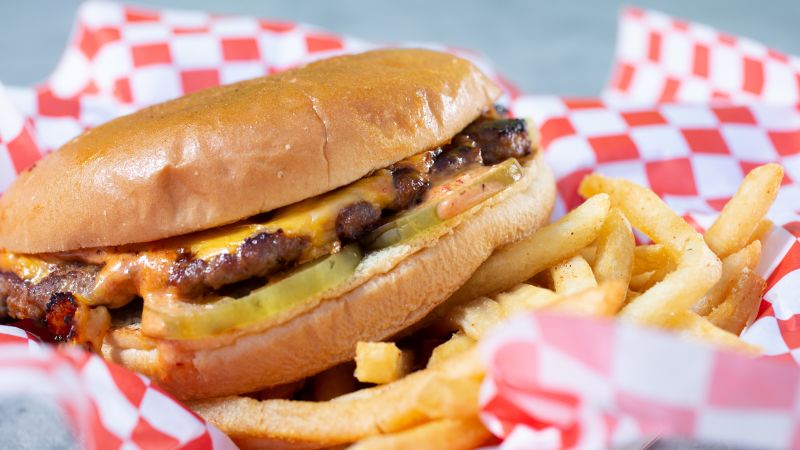
But unlike bacteria like salmonella or a virus like hepatitis A, which can sneak past the country’s food safety inspection system and make millions sick, it’s nearly impossible for screwworm to end up on your dinner table.
“It’s a threat to food, inasmuch as it’s a threat to food prices, but it’s not a threat from the perspective of food quality or the food that you’ll be consuming,” said Maximillian Seunik, executive director of Screwworm Free Future, a nonprofit advocacy initiative dedicated to the eradication of the parasite.
New World screwworm is unique in the fly world. Many kinds of fly larvae eat dead or decaying tissue and may sometimes end up on meat, but New World screwworm larvae need living tissue to survive and develop. Screwworm flies don’t lay eggs in meat, fruit or vegetables.