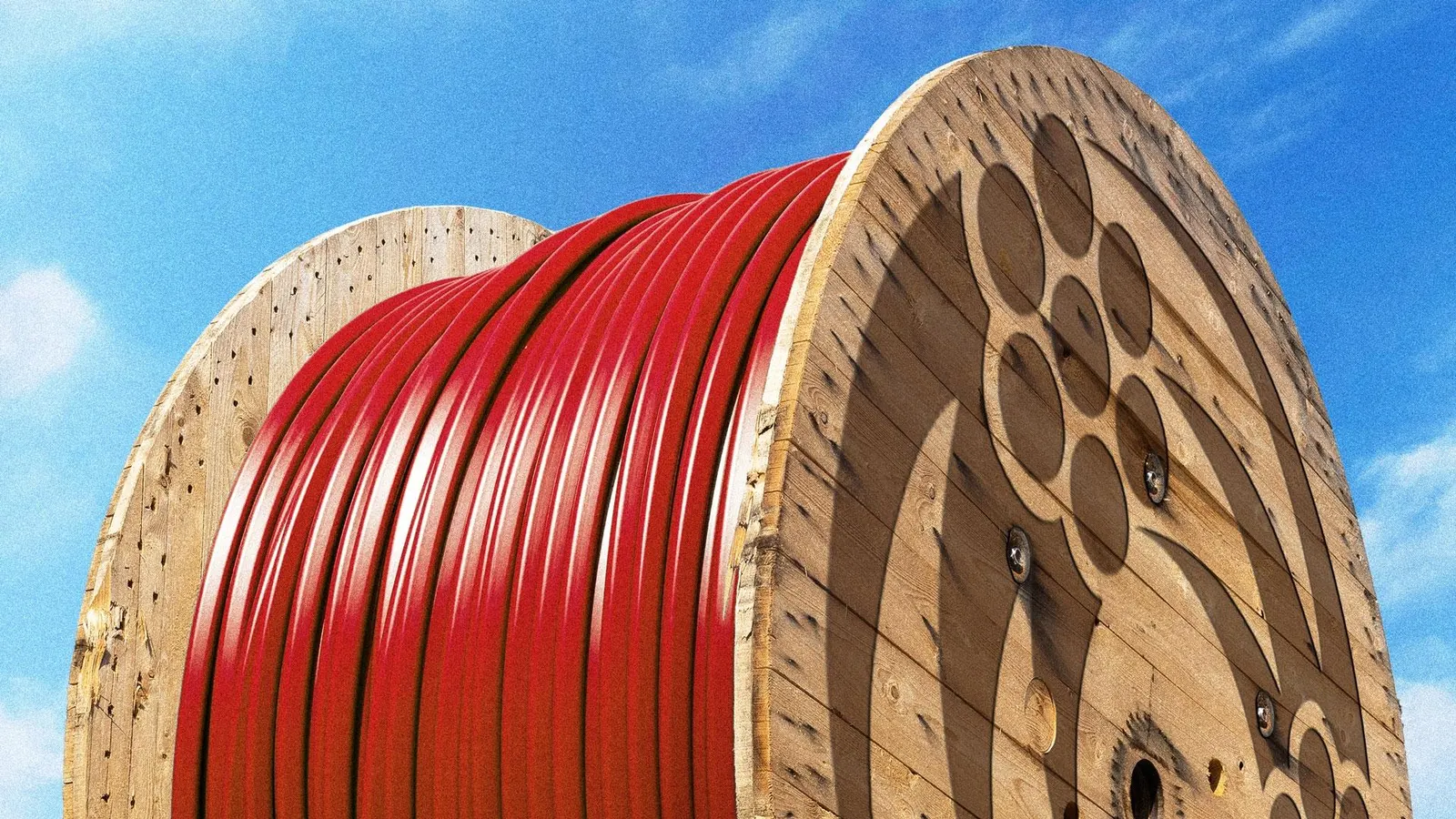
For the citizens of Carrollton–a small city in west Georgia covered in lush trees and flanked by the Little Tallapoosa River–the name Richards, or at least Southwire, is instantly recognizable. Many of its 28,000 residents work for the company, which has been headquartered here for more than half a century. Southwire’s founder Roy Richards (d. 1985) was deeply involved in his hometown, serving as chairman of the Carroll City-County Hospital Authority; chairman of Peoples Bank of Carrollton; a past president of the Carroll County Chamber of Commerce; and a former director of the Georgia Chamber of Commerce. The University of West Georgia’s Richards College of Business in town is named after him, thanks to a gift to the school by his son Roy Richards, Jr., who set up a family foundation in 1990 to continue supporting the city and surrounding areas. Southwire is also known for its highly celebrated 12 for Life program, a nearly two-decade partnership between the company and local schools that combines traditional classroom instruction with jobs inside a modified manufacturing environment and has boosted graduation rates at the city’s high schools to over 90%, up from 64% when the program kicked off in 2007.Outside of Carrollton, Southwire is hardly a household name but it manufactures half of the wire and cable used to distribute electricity in the U.S., and its electrical wiring is in roughly half of American homes, per the company. It employs more than 9,000 in at least 40 U.S. cities and in several other countries around the world. And thanks in part to rising copper prices, post-pandemic demand for electrical infrastructure and now data centers, Southwire’s revenue hit a record $9.7 billion in 2025, which Forbes estimates is up more than 50% since 2021. It’s also made a bundle for the Richards family, who still owns 100% of the business and is worth approximately $13.1 billion, Forbes estimates. That fortune will likely continue to grow due to the explosion of AI data centers. Already between 2021 and 2025, investment in them has quadrupled, according to the Federal Reserve Board, and another 1,500 new data centers are currently being developed in the U.S. These new AI data centers run on ultra-powerful GPU chips that require 2-4 times more watts of energy than traditional chips. Good news for the Richards family, which tripled the size of one of its plants in North Carolina that produces heavy-duty cables necessary to scale AI data centers among other items in November 2024. Southwire has also poured $1.8 billion into modernizing its facilities to better position it for the boom. “[Southwire] is trying to stay on the cutting edge,” says David Long, CEO of the National Electrical Contractors Association. By 2030, AI-driven data center energy demand is projected to rise by 175%. But power availability is already a top constraint for operators—even outranking GPU access, according to Southwire. All of which means utilities will need to reevaluate everything from how they deliver electricity to how they manage costs, with the need for infrastructure partners like Southwire more critical than ever. While the Richards family and Southwire declined to speak for this story, they were interviewed by Forbes in 1967 and 1976, which provided much of the family and company background along with Southwire’s website. The family’s history dates back nearly 90 years to 1937. Wanting to outfit his grandmother’s house with electricity, 25-year-old Roy Richards returned to his home in Carroll County shortly after graduating from Georgia Tech and started building electric poles. “Industrialization was just getting started in the South,” he told Forbes in May 1967. With help from a federal loan initiative to distribute electricity to remote areas of the country, his company, Richards & Associates, spent the next two and a half years stringing 3,500 miles of cable across rural America.World War II paused the loan program and the business dissolved when Richards left to serve in the Army, eventually becoming a captain, according to Southwire’s website. By the time he returned to Georgia, the poles he’d built were useless, due to a post-war shortage of wires then on a four-year delay. "I felt that there had to be a better way than this," Richards told Forbes in 1967, "and got into the business myself."The rapid, controversial development of data centers is a huge opportunity and even bigger test for the climate conscious Southwire.
This $13 Billion Georgia Family Is Helping Electrify Data Centers
The Richards family’s electrical manufacturing company is set to surge along with AI data centers.
1,709 words~8 min read