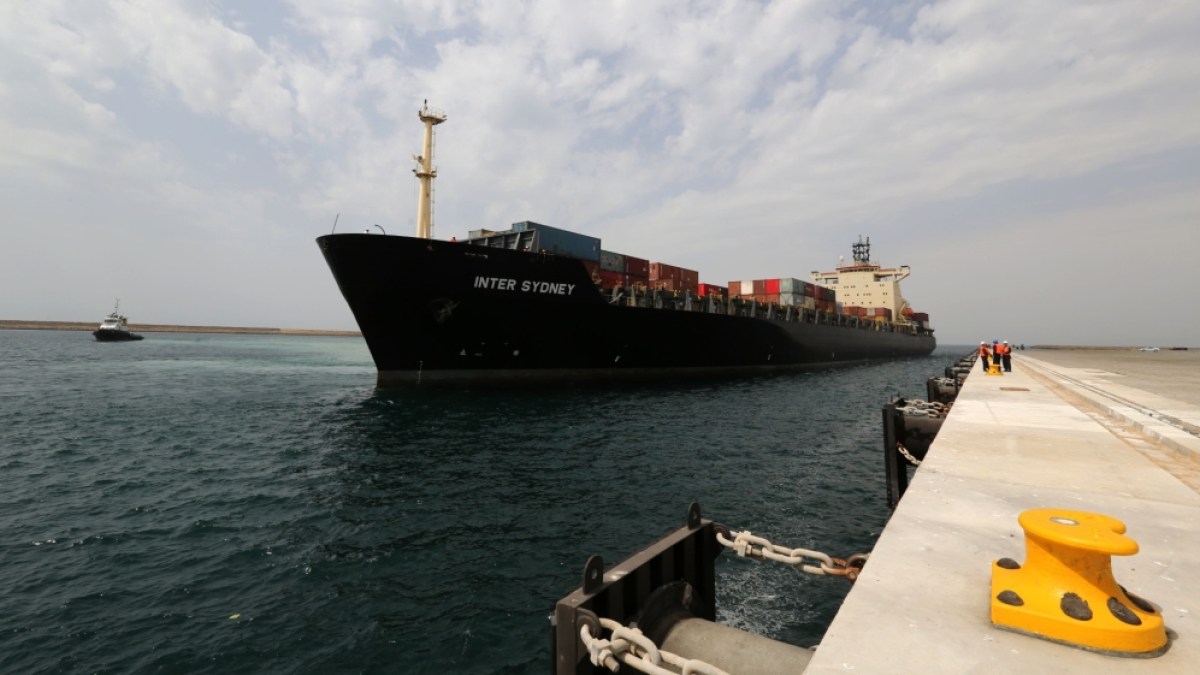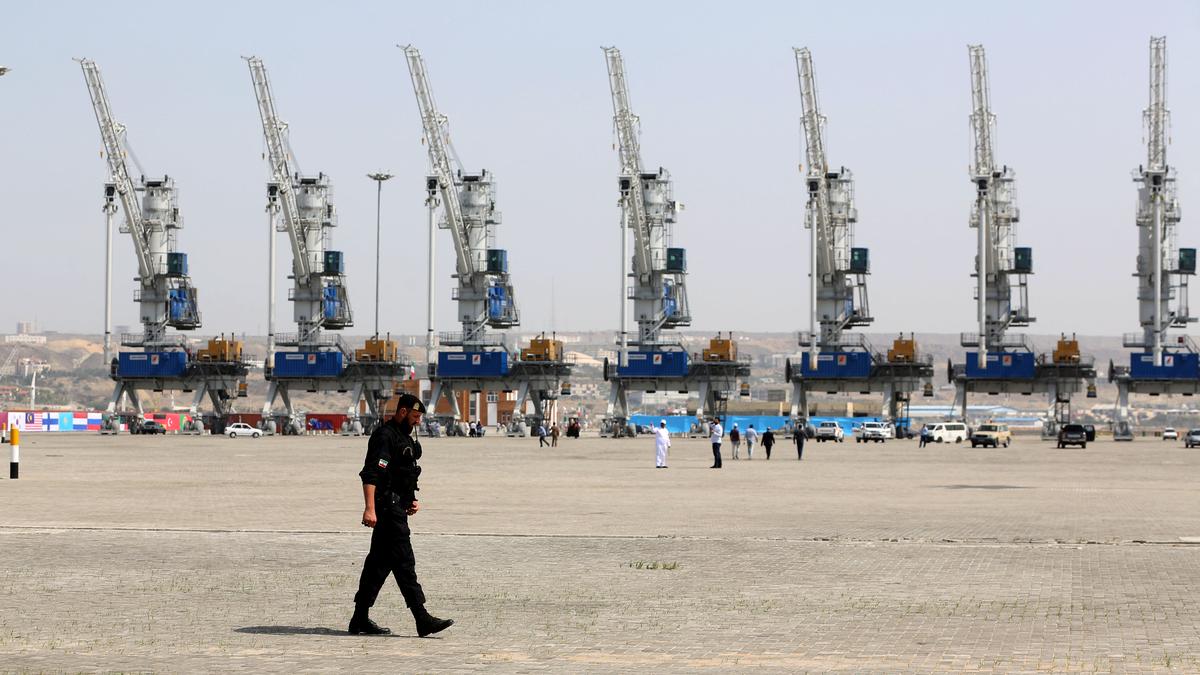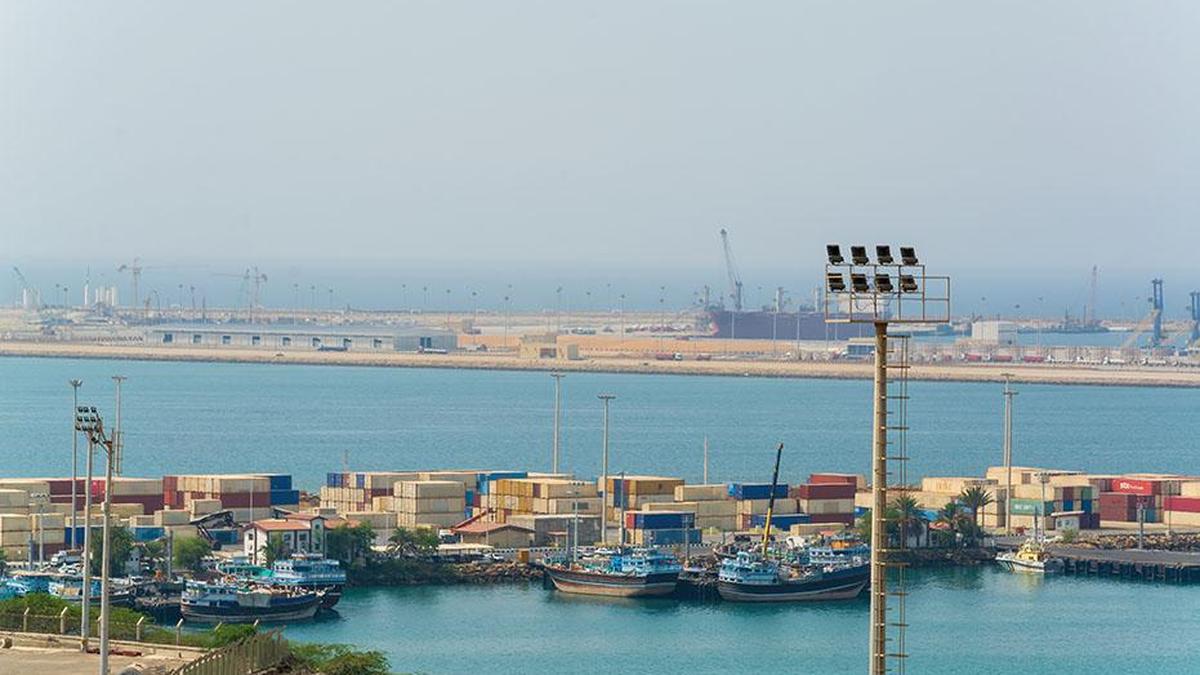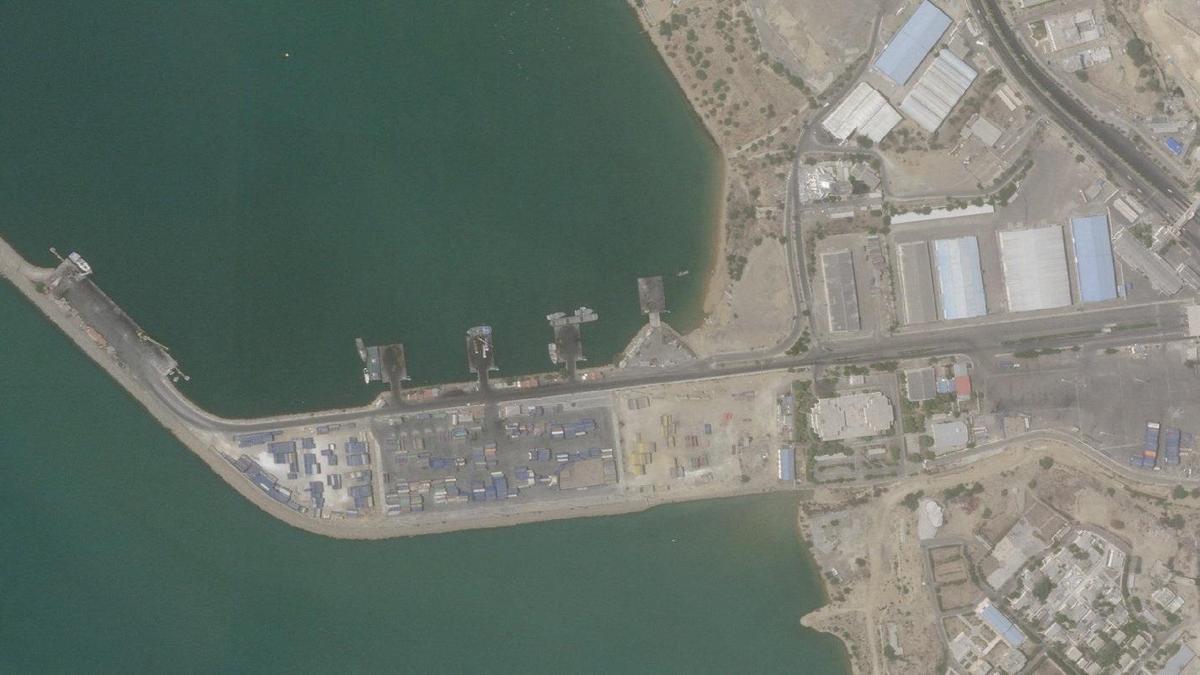
India is hopeful that the initial peace agreement between Iran and the US, albeit highly fragile, could pave the way for the easing of sanctions affecting its strategic investments at the Chabahar port, including either a broader rollback of restrictions or the restoration of a US sanctions waiver that had allowed the project to proceed, sources said.Officials said the future of the project will depend on whether the sanctions environment becomes more conducive.“In the absence of a fresh US waiver or a broader easing of restrictions on Iran, it would be difficult for activities at Chabahar to resume. However, now that an initial peace deal has been struck and activities have resumed in the Strait of Hormuz, we are hopeful that there will be a relaxation of broader economic sanctions, including on economic investments in projects like the Chabahar port,” a source tracking the matter said.India has also raised the matter with the US, underlining the strategic and economic importance of the project and seeking greater clarity on the sanctions regime, the source added.The US sanctions waiver for Chabahar expired in April this year, effectively bringing Indian project activity at the port to a halt. “Project activities at the Chabahar port have come to a complete halt now. Not just the expiry of the waiver, but the ongoing conflict in the region, which began in February-end with the US and Israel attacking Iran, also made it impossible for any activities to take place,” the source said.Hope for the future of the project, however, revived when US President Donald Trump and Iranian President Masoud Pezeshkian signed a 14-point memorandum of understanding on June 17 to end active hostilities in West Asia and launch a 60-day roadmap for a permanent peace treaty. It includes the removal of all US sanctions on Iran on an agreed upon schedule.India has consistently maintained that the Chabahar port is a strategic connectivity project that provides Afghanistan and Central Asia with an alternative trade route bypassing Pakistan. New Delhi has argued that the project promotes regional economic integration and supports humanitarian access, and therefore should remain insulated from broader geopolitical tensions.In May 2024, India signed a 10-year agreement with Iran under which India Ports Global Ltd (IPGL) took over operations at the Shahid Beheshti terminal at Chabahar. The deal involves an Indian investment of approximately $120 million, with an additional $250 million to be raised as debt, but uncertainty over US sanctions and the expiry of the waiver have prevented the planned expansion from moving forward.India is closely monitoring developments following the Iran-US understanding and the ongoing “highly volatile” peace negotiations moderated by Qatar and Pakistan, and expects greater clarity on the sanctions regime in the coming weeks.Any restoration of the waiver or broader easing of sanctions would enable India to revive its investment plans and reinforce Chabahar’s role as a key gateway for trade and connectivity with Afghanistan, Central Asia and the wider Eurasian region.Published on July 5, 2026
India hopeful of sanctions relief for Chabahar after Iran-US peace deal
New Delhi says project activities not possible without restoration of US waiver or easing of sanctions; issue has been taken up with Washington
493 words~2 min read