By
Laura Kayali, Marcin Wyrwał, Philipp Fritz and Carolina Drüten
2026-07-05T08:01:01.249Z
Read in app
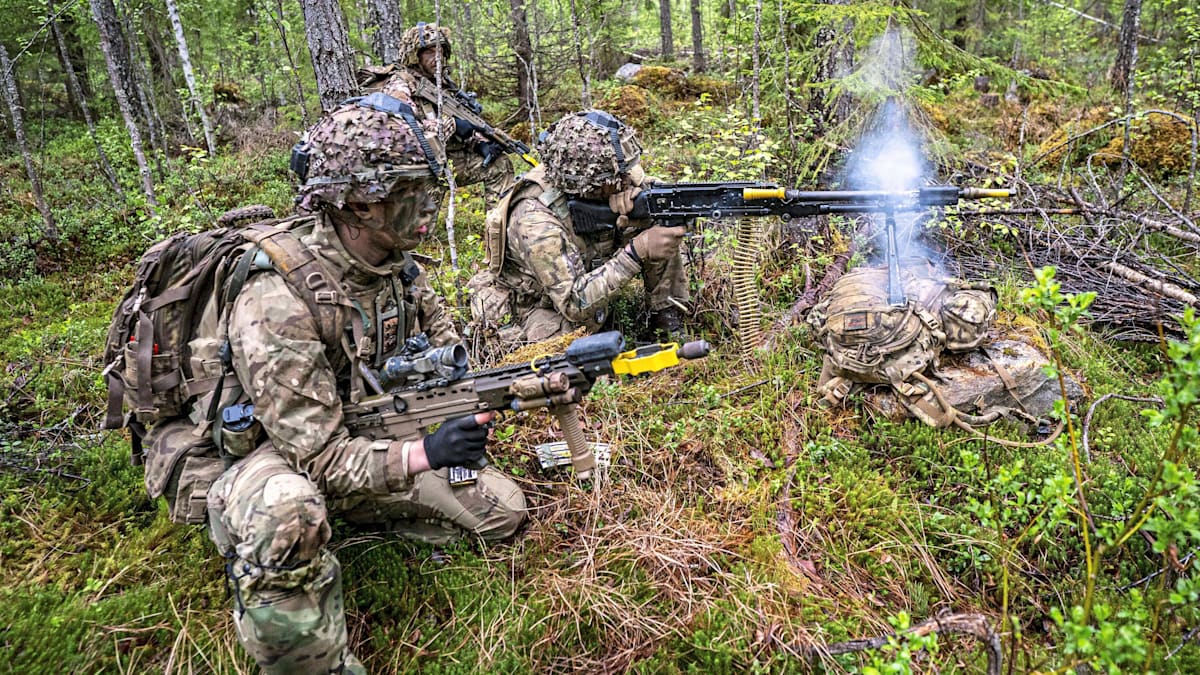
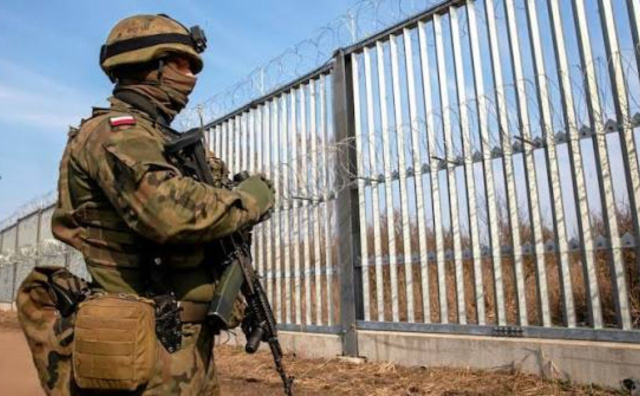
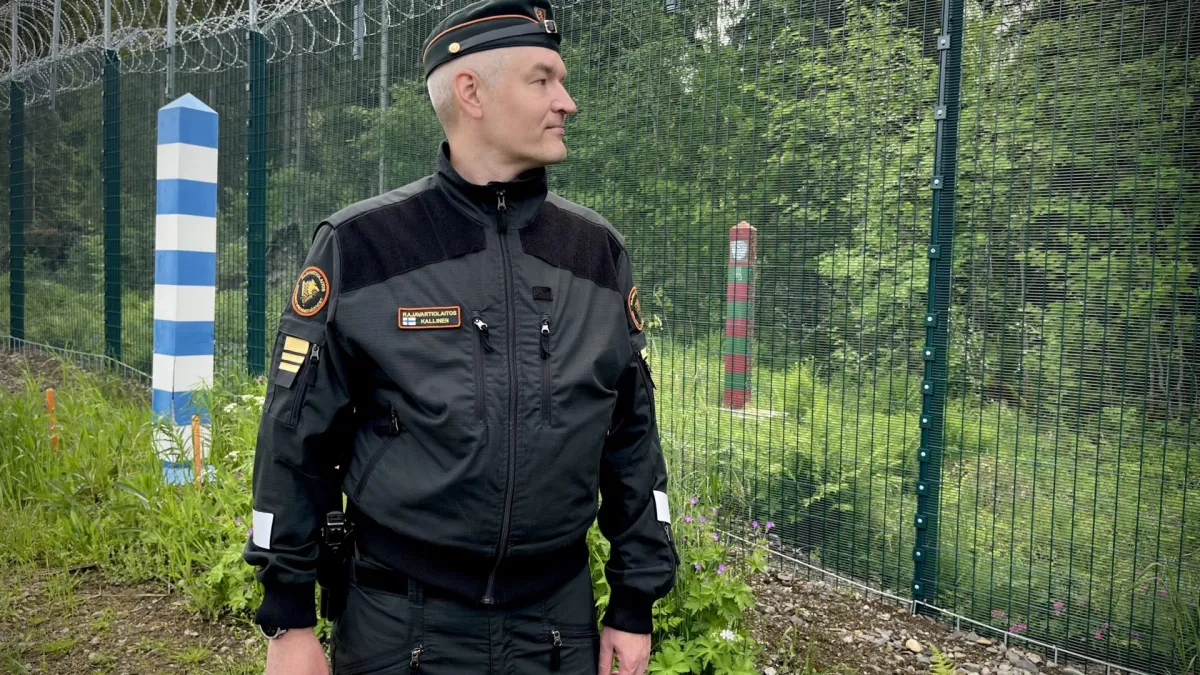
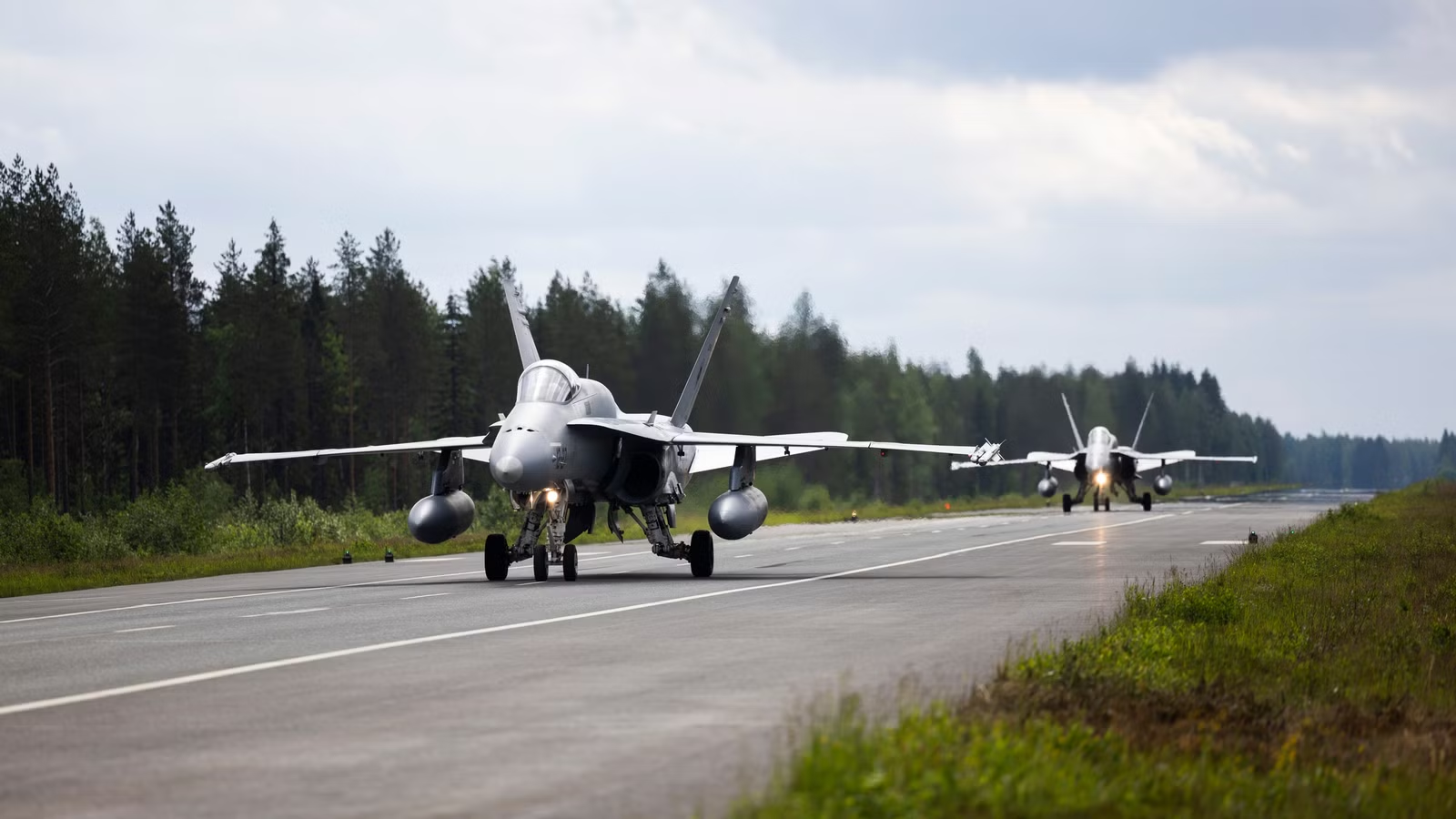
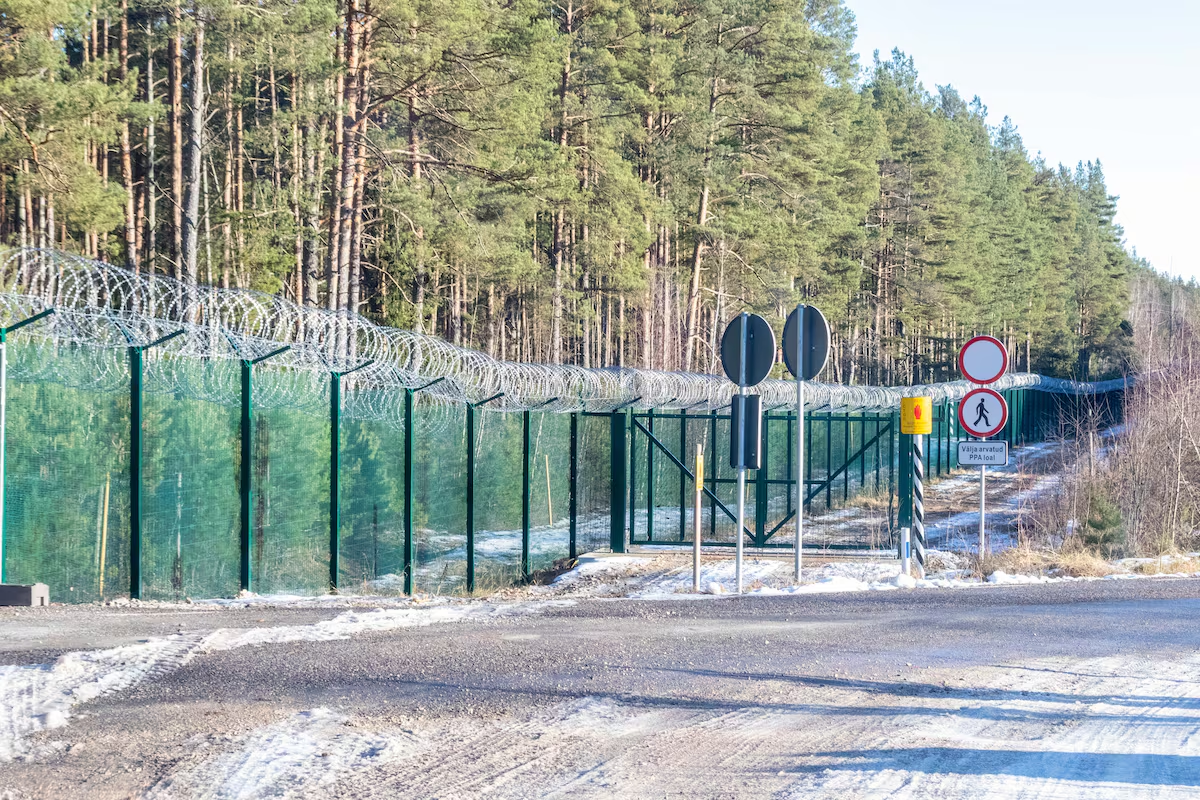
NORTH KARELIA, Finland — Bears, wolves and moose still cross the frontier freely, but for the border guards patrolling this stretch of fields and forest, this is where NATO ends.A line of wooden poles and painted markers cuts through the light green grass, separating Finland from Russia along the alliance's longest border with Moscow — 1,343 kilometers (835 miles) of increasingly militarized territory. The crossing has been closed since 2023, the year after the Kremlin's full-scale invasion of Ukraine. On the other side lies land Finland lost to the Soviet Union when it was left to fight largely on its own in the early months of World War II.Reporters from Axel Springer's Global Reporters Network traveled to three exposed stretches of Europe's eastern frontier — Finland's forested border with Russia, Poland's fortified line with Kaliningrad and Belarus and Lithuania's vulnerable edge near the Suwałki Gap — to see how ready NATO's frontline states are for the possibility that Moscow will attack the alliance.What we observed was a continent racing to harden its eastern edge against a threat it can no longer assume Washington will handle. As US President Donald Trump questions old security guarantees and looks to reduce America's military footprint in Europe, the countries closest to Russia are building fortifications, expanding reserves, buying tanks and drones and preparing for the possibility that the first days of any conflict may be theirs to fight largely alone.Since his reelection in 2024, Trump has repeatedly called into question Washington's commitment to NATO's Article 5, the foundational clause under which an attack on one member is treated as an attack on all. The uncertainty only deepened after the war in Iran, when the president and his team threatened to reassess US membership in NATO in response to European allies' refusal to join the conflict."You have to be careful when you sleep next to a bear.Col. Matti PitkäniittyMeanwhile, satellite imagery shows that Russia has built up its armed presence along its border with Finland and other EU countries, building barracks and staging military vehicles in what the head of Swedish military intelligence has described as preparation for a possible confrontation with NATO.