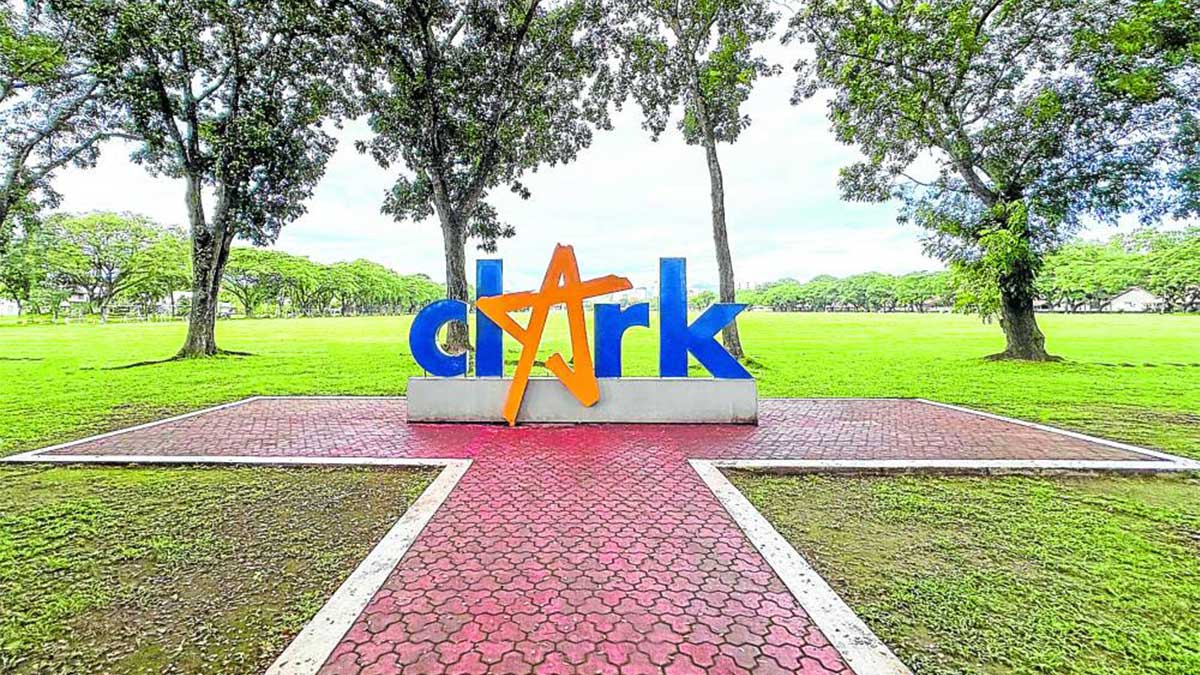
CLARK FREEPORT—Back when the United States Air Force (Usaf) operated Clark Air Base and its extensions in Pampanga and Tarlac, American officials granted members of the indigenous Aeta communities the exclusive privilege of scavenging Clark’s landfill for recyclable materials they could sell.
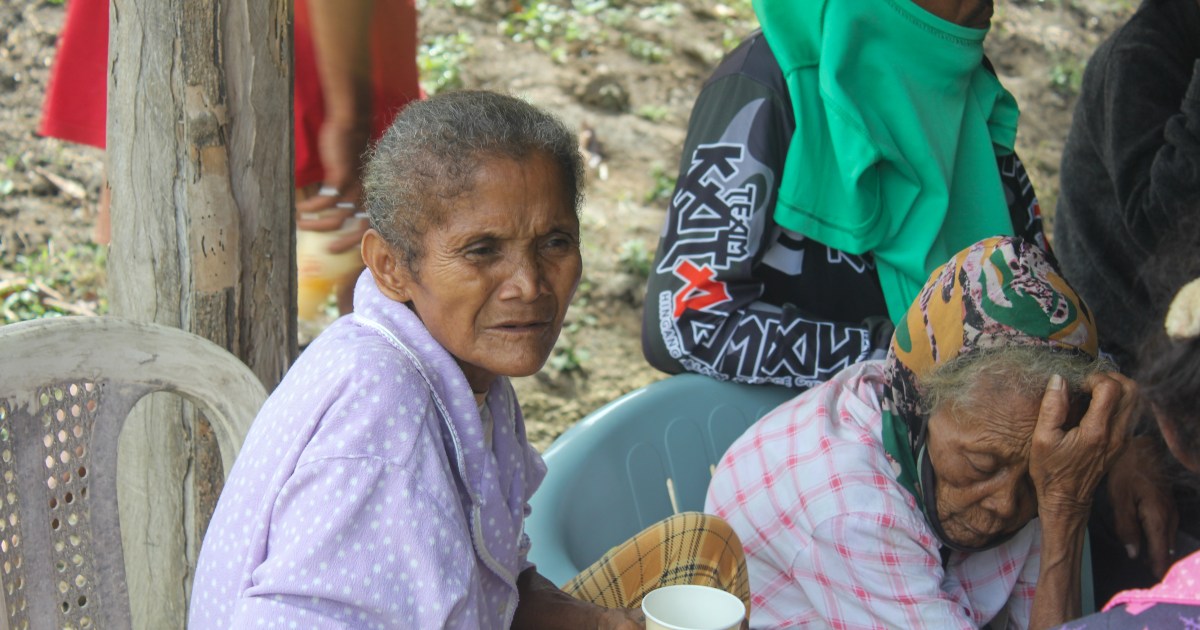
The Aetas also received free medical checkups, medicines and hospitalization at the former Usaf Hospital Clark. The arrangement began under Kudiaro Laxamana, leader of the Negrito Scouts during World War II, and continued through succeeding generations of Aeta leaders.
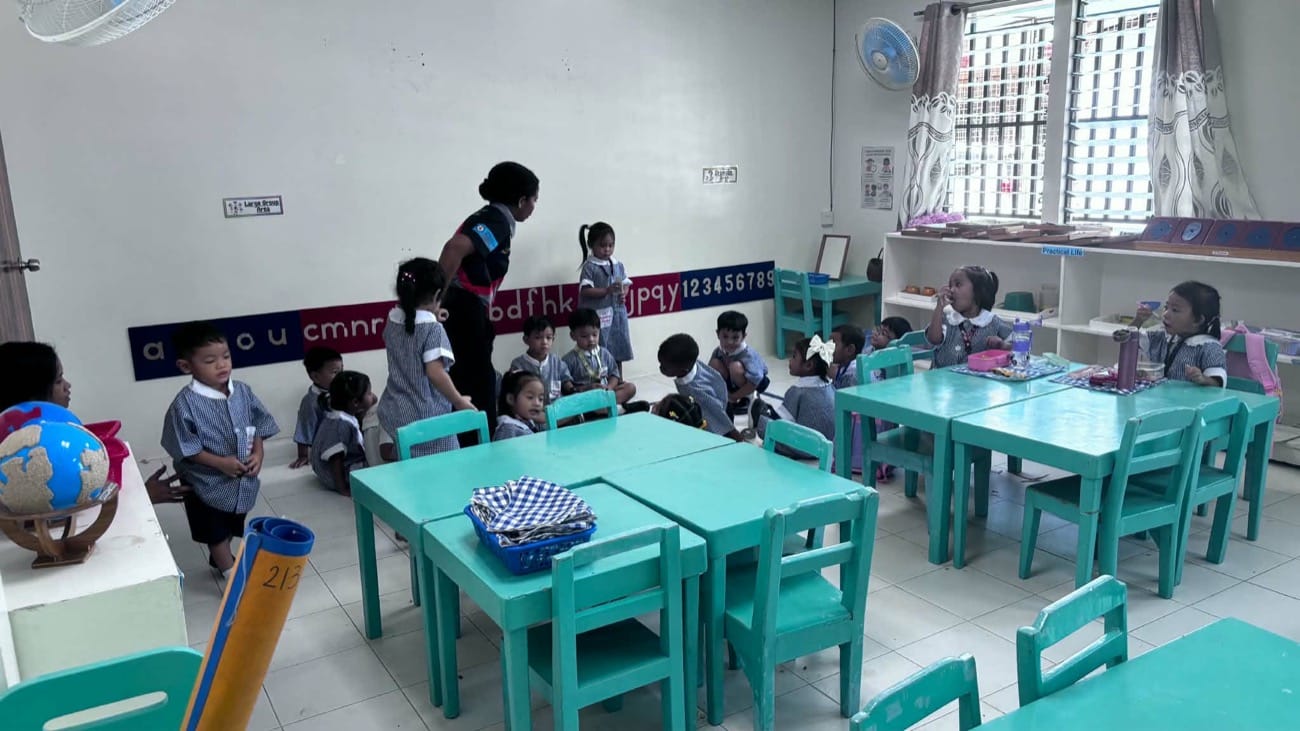
Thirty-five years after Mt. Pinatubo’s largest eruption hastened the withdrawal of American forces and the closure of US military facilities, the Aetas around Clark now receive a different kind of support.
Article continues after this advertisement
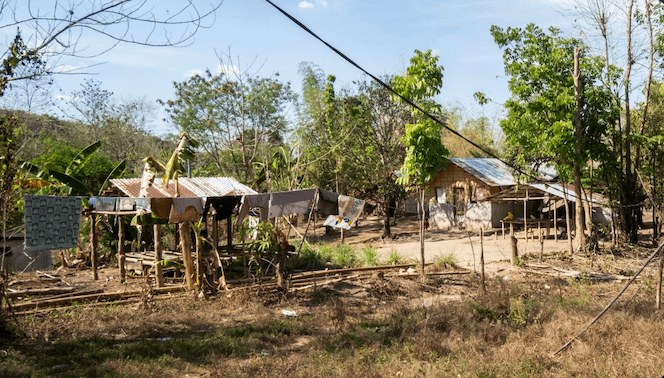
The state-run Clark Development Corp. (CDC), which oversees the freeport, has expanded its corporate social responsibility program in Aeta communities. But officials acknowledge that the villages remain unable to develop on their own, largely because of unresolved issues involving their 10,323-hectare Certificate of Ancestral Domain Title (CADT) No. 025-A.FEATURED STORIES