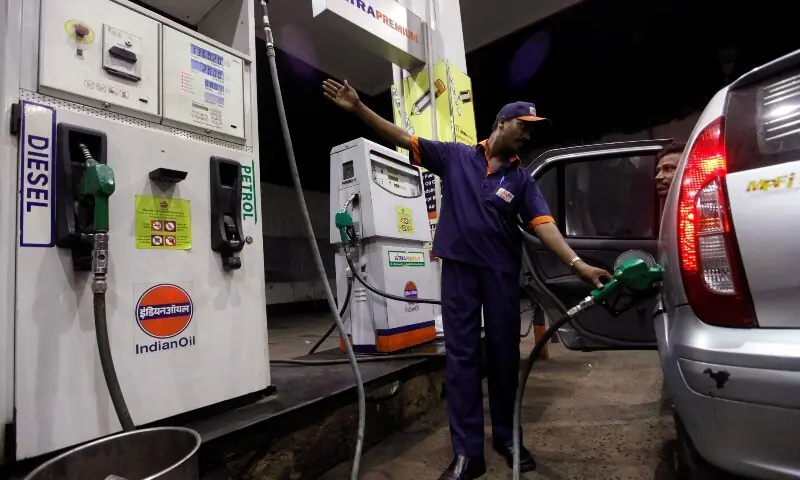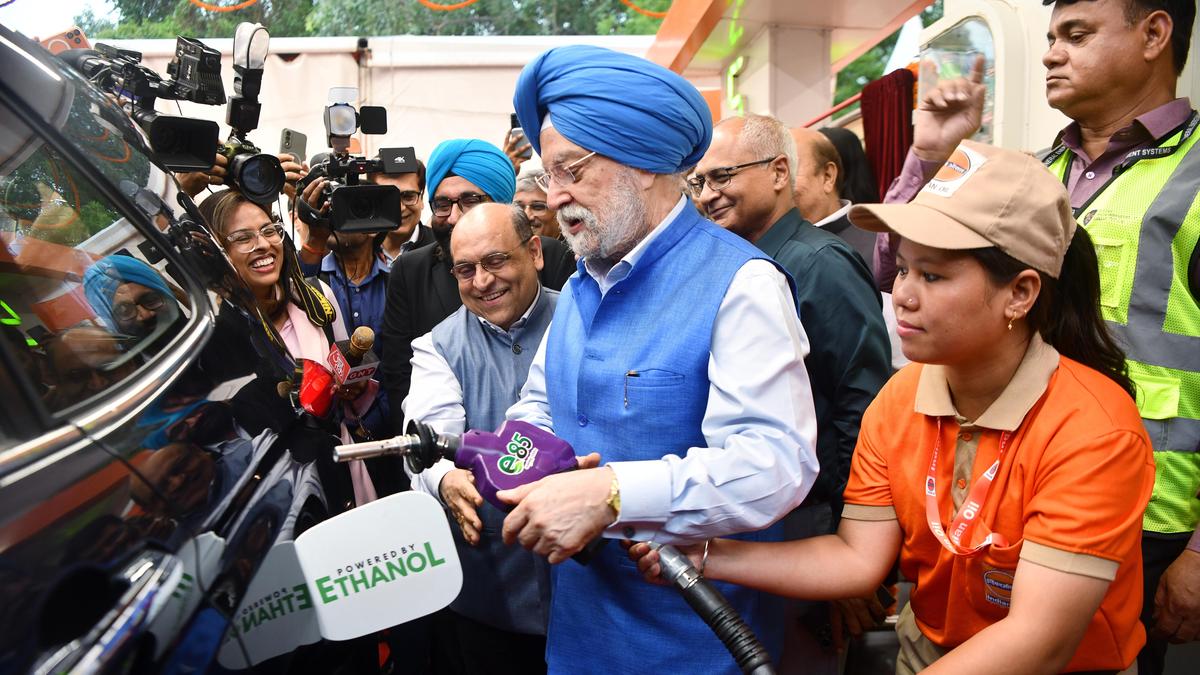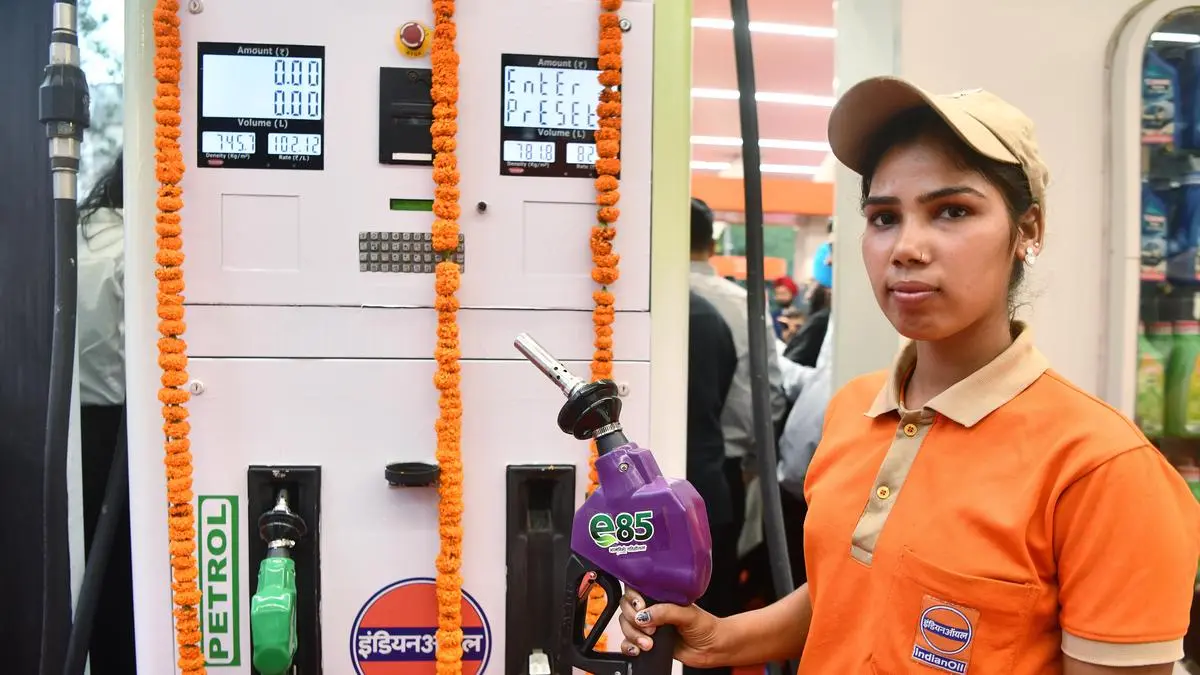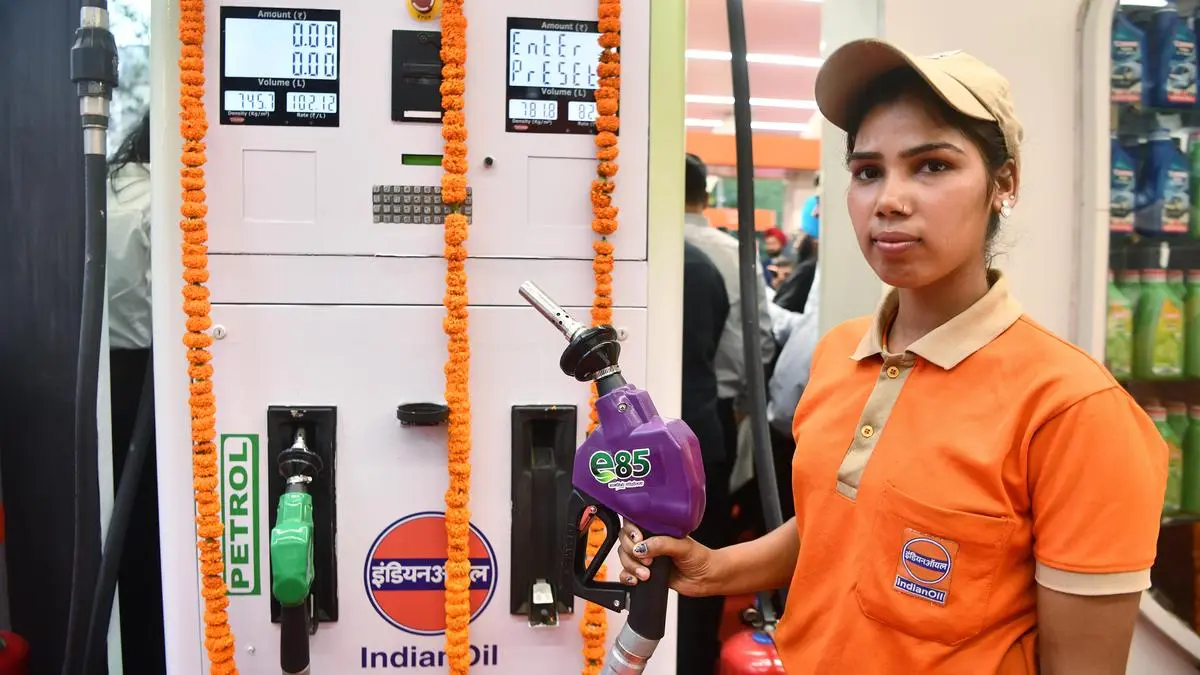
A worker poses for a picture with an E85 fuel dispenser machine during the launch of E85 fuel (a blend of 85% ethanol and 15% petrol) by Union Petroleum Minister Hardeep Singh Puri (unseen) on World Environment Day at an Indian Oil fuel station on Pusa Road, in New Delhi on Friday
| Photo Credit:
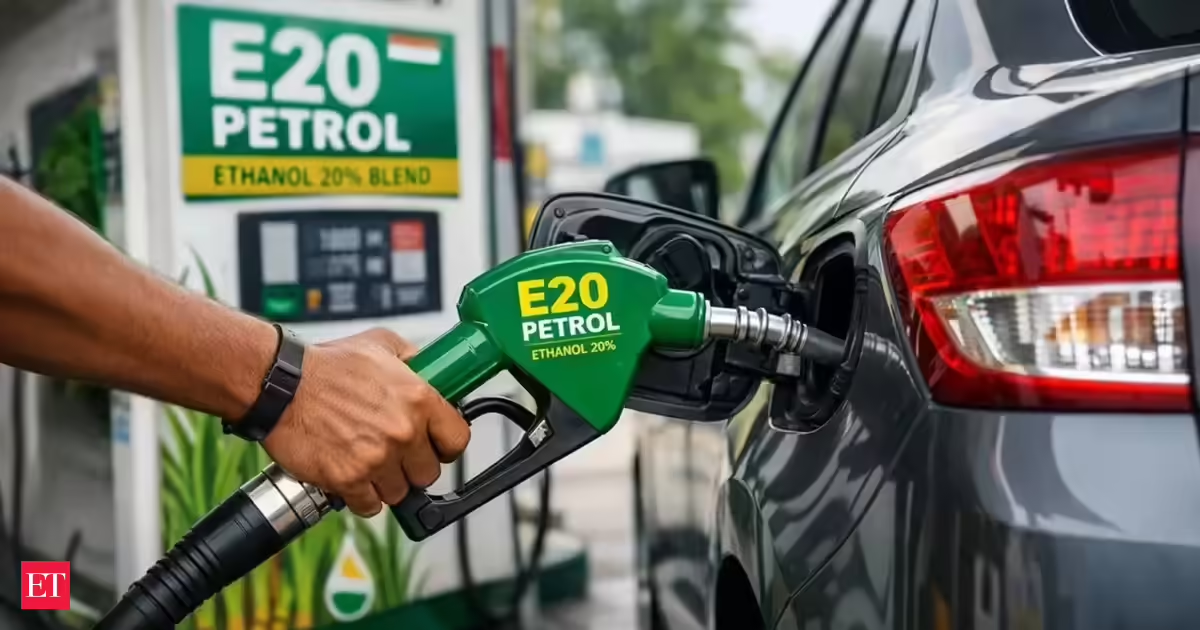
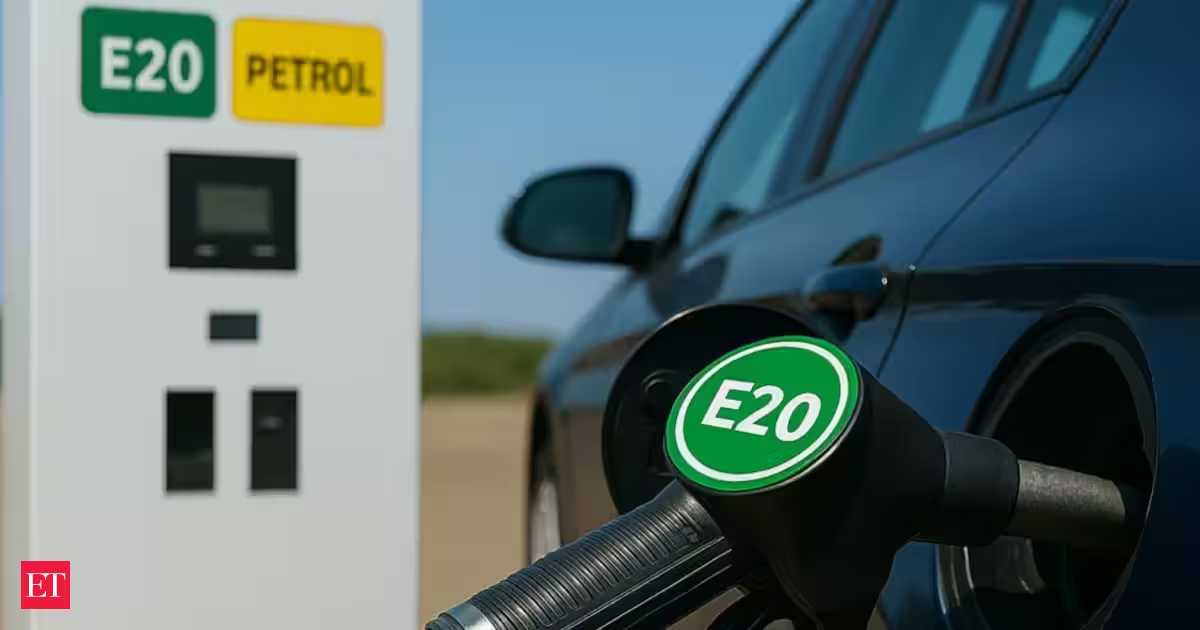
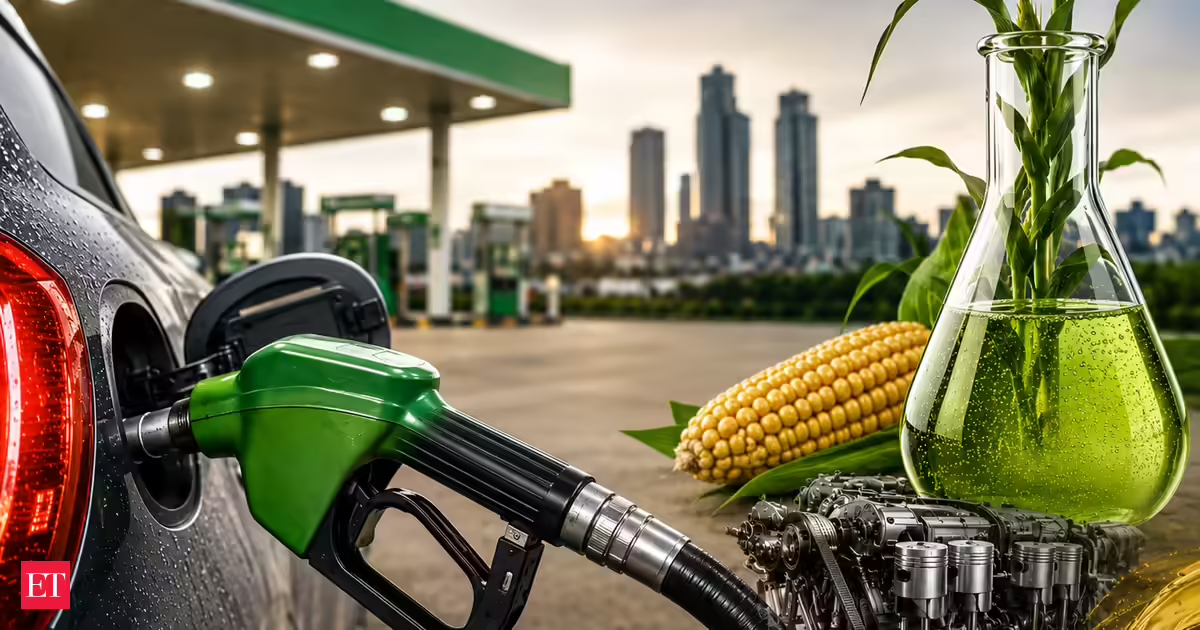
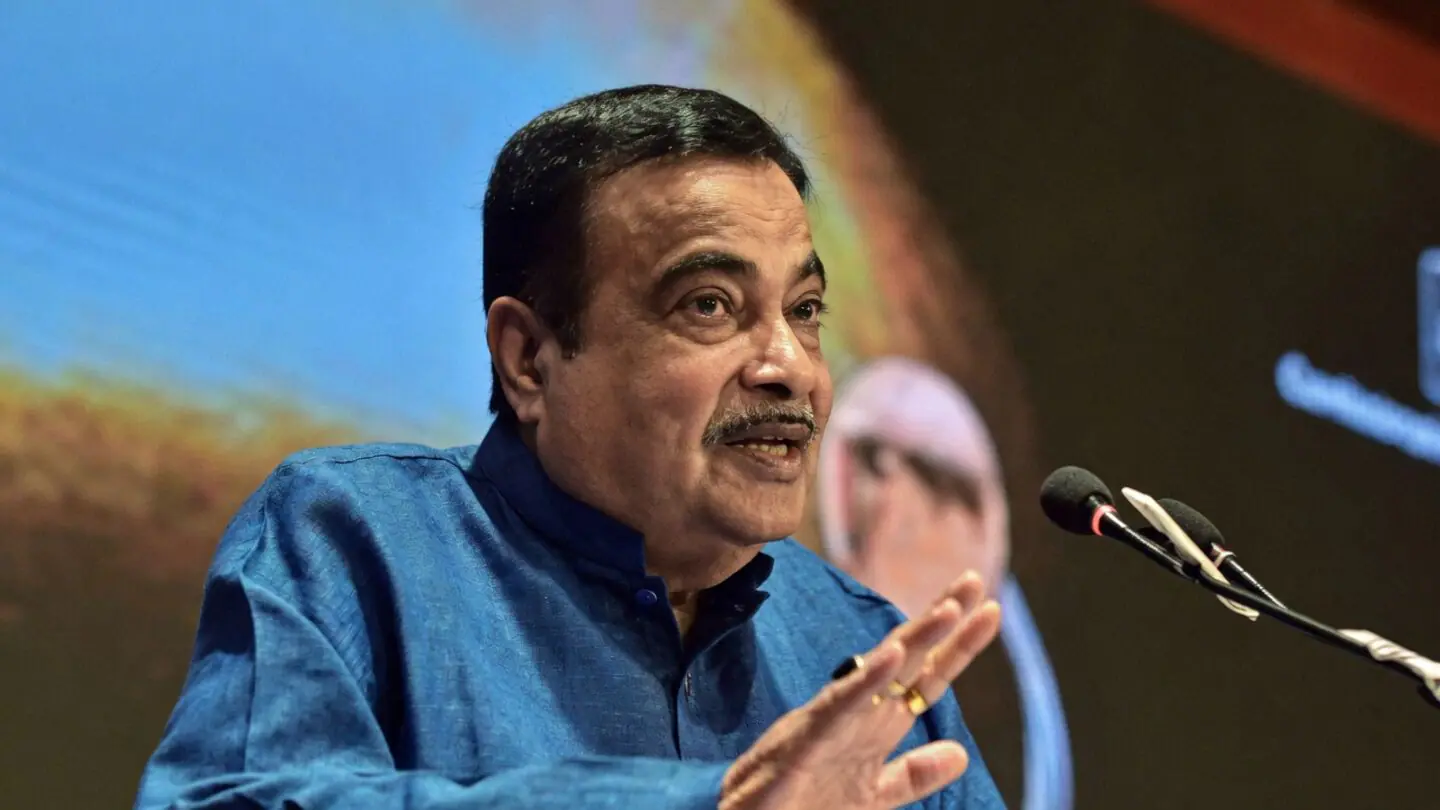
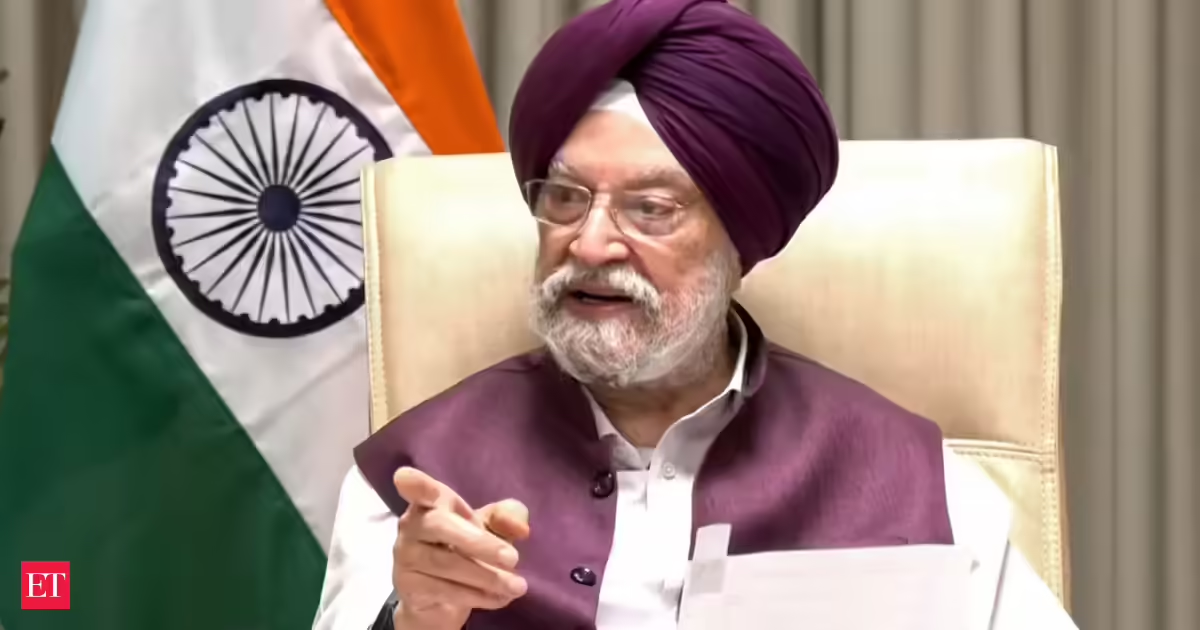
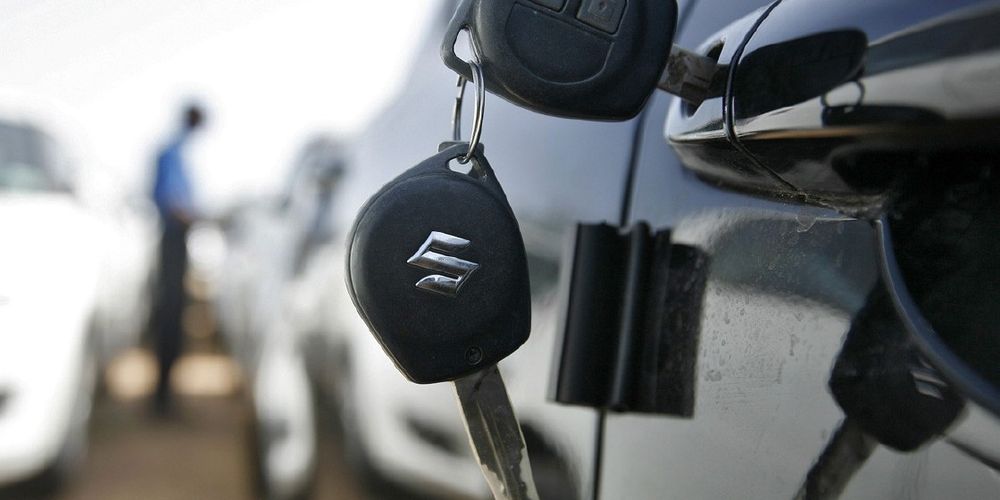
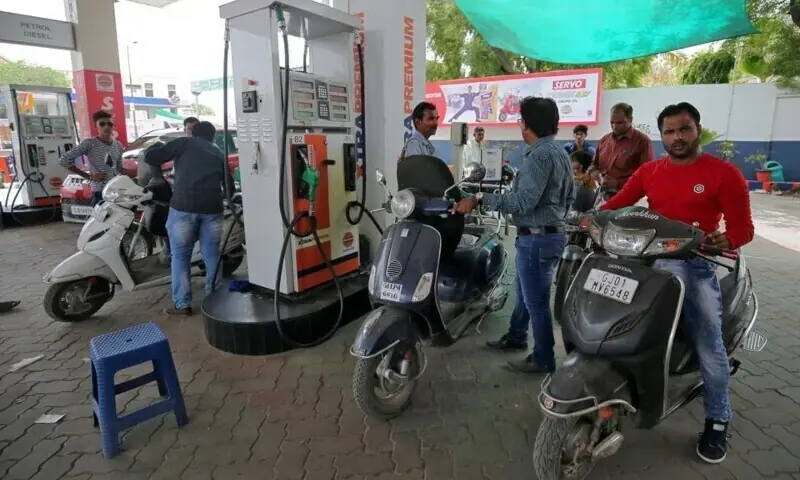
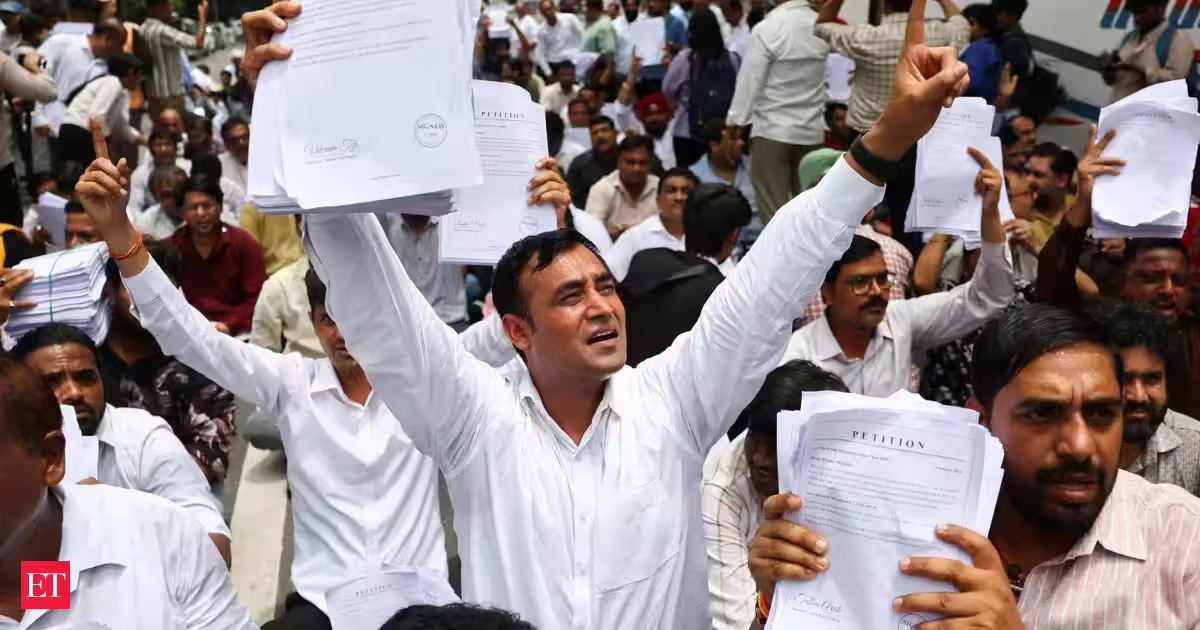
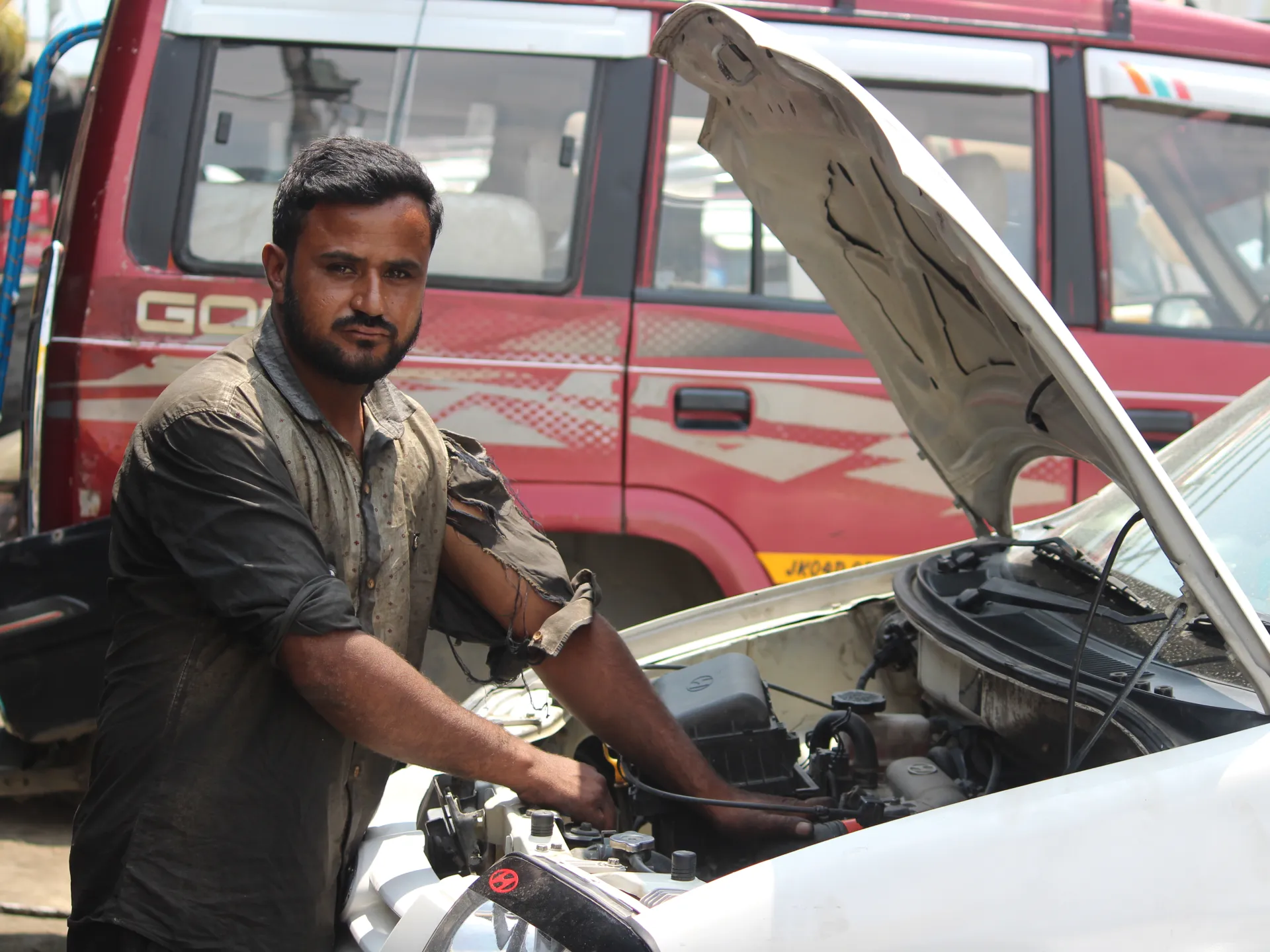
Indian motorists will gather in New Delhi on Sunday, in the first major protest against a flagship biofuel program intended to reduce crude imports and support farm incomes.The government’s accelerated shift to gasoline with a higher percentage of ethanol — a signature self-reliance policy for Prime Minister Narendra Modi — has angered drivers, whose complaints include weaker fuel efficiency, higher maintenance costs and engine corrosion.The government and automakers have been on the defensive after weeks of complaints on social media. Authorities sought to contain the controversy by convening a media briefing with auto industry executives on Saturday. Carmakers dismissed the complaints as unfounded. “We are very confident that we haven’t seen any glaring issues on social media that warrant a rethink of the government’s biofuel blending program,” said Puneet Anand, associate vice president at Hyundai Motor India. Speaking separately in Rajasthan, Oil Minister Hardeep Singh Puri blamed vested interests of spreading misinformation. The backlash comes as Modi seeks to expand one of his signature energy initiatives. India met its target of blending 20 per cent ethanol into gasoline five years ahead of schedule in 2025 and is evaluating a further increase in the mandate.Last month, state refiners also began selling gasoline blended with 85 per cent ethanol for flex-fuel vehicles.Automakers said E20 had undergone extensive testing before its nationwide rollout. Vehicles designed for E20 have been on sale since 2025, while the fuel is also compatible with older E10-certified vehicles, according to Rahul Bharti, executive director at Maruti Suzuki India. Although fuel economy may decline modestly, the tradeoff is offset by the fuel’s broader economic and environmental benefits, he said.Manufacturers also pushed back against specific claims circulating online. Vikram Gulati, country head at Toyota Kirloskar Motor, said a widely shared case involving a Toyota Innova Hycross allegedly damaged by E20 was traced to contaminated fuel rather than ethanol blending. He also rejected claims that ethanol attracts ants, saying gasoline’s odor repels insects. For consumers, however, the biofuel debate comes as vehicle ownership costs continue to climb. Gasoline prices remain near four-year highs following geopolitical disruptions, while insurance premiums, toll charges, poor road conditions and monsoon-related damage have added to motorists’ expenses, making concerns over fuel efficiency and maintenance more politically sensitive.India’s gasoline demand has been expanding faster than diesel consumption, rising an average 8.8 per cent annually over the past five financial years compared with 5.5 per cent for diesel, according to government data.Gasoline accounts for about 18 per cent of refined fuel sales, making the success of the ethanol program increasingly important to the government’s energy strategy.The South Asian nation is among several major emerging economies expanding biofuel use, a campaign that has accelerated in the aftermath of the Iran war.Indonesia is fast-tracking plans to increase biodiesel blending to 50 per cent using palm oil. And debate over biofuel mandates is intensifying in the US, where some conservative groups are urging lawmakers to roll back blending requirements, arguing they increase costs for consumers.Puri said Saturday that any move to raise ethanol blending to 25 per cent from 20 per cent would be undertaken only after rigorous testing and consultations with stakeholders. He added that India’s strategy to diversify transport fuels would rely on multiple technologies, including biofuels, batteries and compressed natural gas.More stories like this are available on bloomberg.comPublished on July 5, 2026