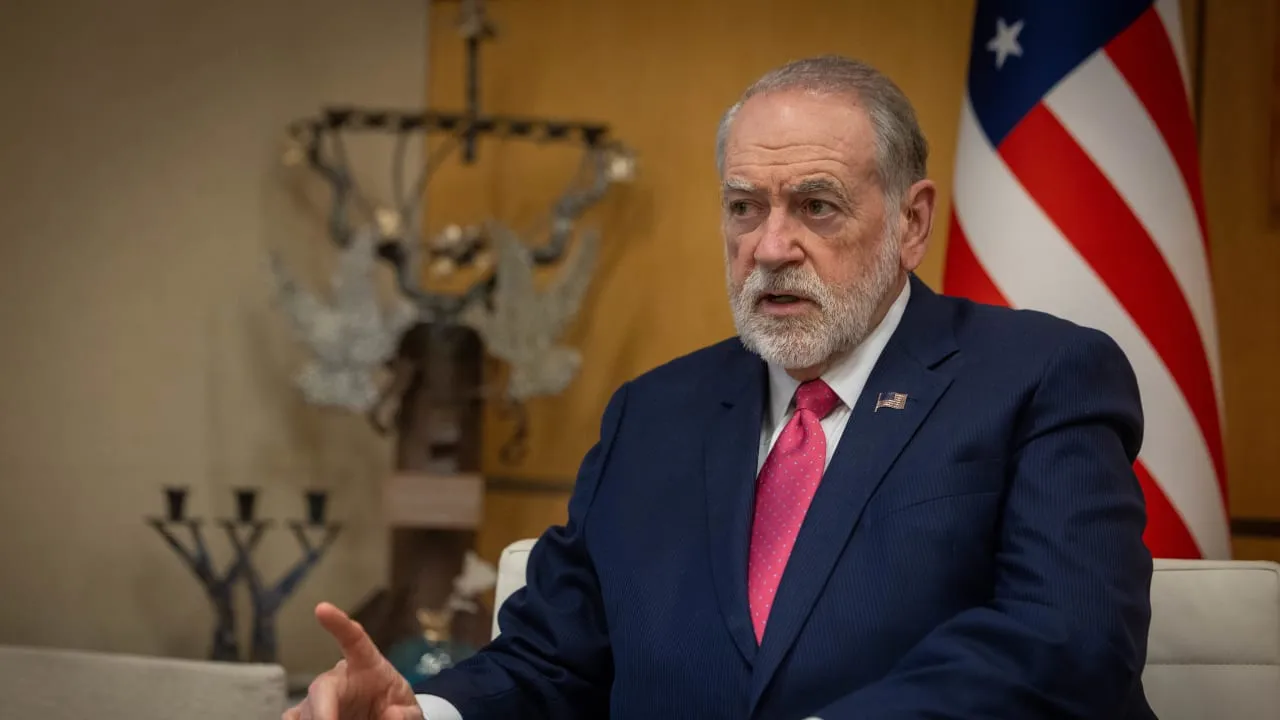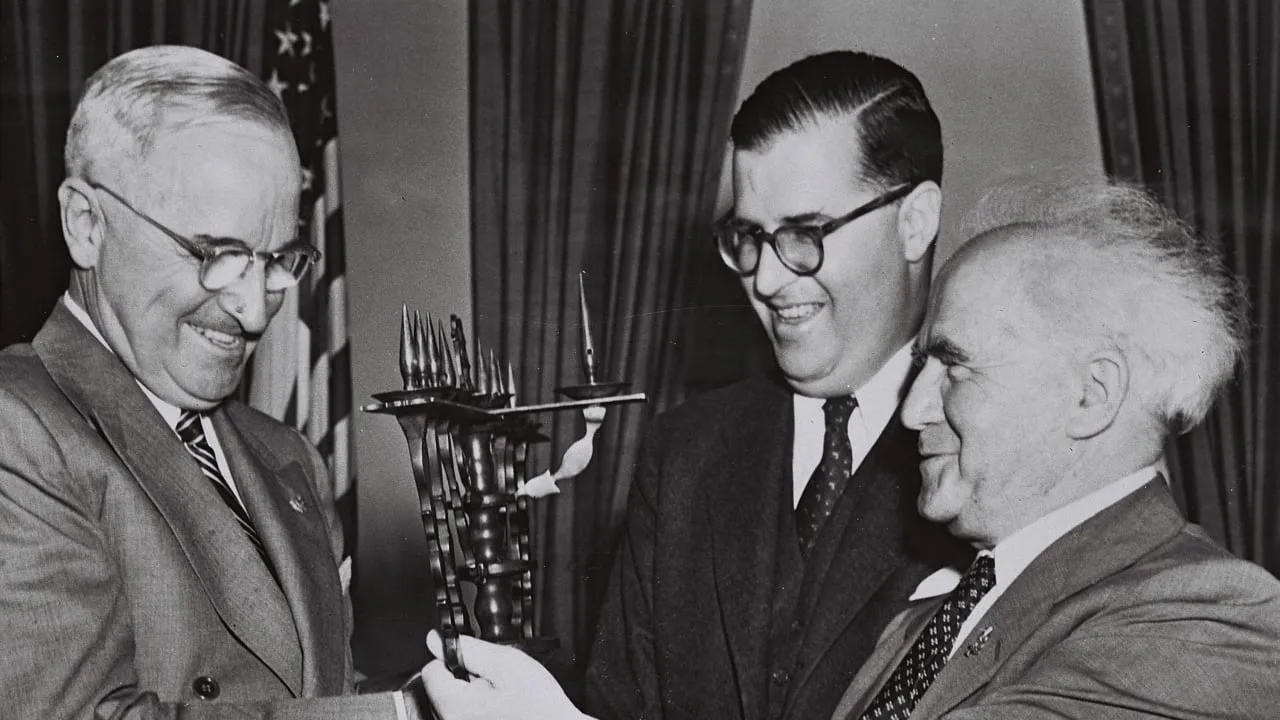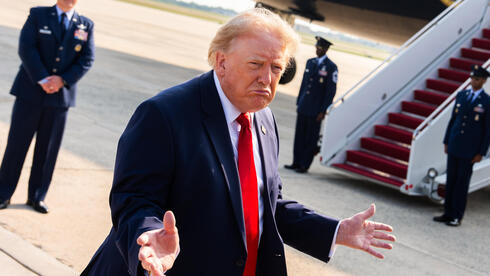
Opinion: As the US marks its 250th anniversary, the relationship among Washington, Jerusalem and American Jewry is under growing strain; Israel's next government must rebuild all three sides of the partnership to safeguard the Jewish people's futureYedidia Stern| Related TopicsThe United States has seen itself, since its founding, as a "shining city upon a hill" — a nation with a moral and democratic mission meant to illuminate the world. Over 250 years of American independence, that vision has largely been translated into an inspiring reality. The country has become not only an economic, military and scientific powerhouse but also a source of values and a bastion of freedom and progress.America's 250th anniversary is also an appropriate moment to examine its relationship with the Jewish people and the State of Israel. There is no doubt that the "shining city" has cast tremendous light on both. Without it, the Jewish story would have unfolded very differently — and for the worse.In the Washington-Jerusalem relationship, support for Israel among the American public has declined significantly and alarmingly (Photo: AP Photo/Julia Demaree Nikhinson)The relationship began in the 19th and early 20th centuries, when the United States opened its doors to about 2.5 million Jewish immigrants from Europe, most of them arriving with little or nothing. As a result of that migration — one of the largest in Jewish history — New York was already home to more Jews than any other city in the world by the beginning of the 20th century. Many of them were spared the fate of the six million Jews murdered in the Holocaust.President Harry Truman recognized the State of Israel immediately after its declaration of independence and declared: "I believe Israel has a glorious future before it — not just as another sovereign nation but as an embodiment of the great ideals of our civilization." Those words echoed in the statements of every American president who followed.Relations between the two countries rested on bipartisan support from both Democrats and Republicans. They stood on two solid foundations: shared values — as Republican President Ronald Reagan said, "In Israel, free men and women demonstrate every day the power of courage and faith" — and shared interests. Democratic President Bill Clinton put it this way: "When people ask me what has been the greatest accomplishment of our foreign policy ... I think of the partnership between America and Israel."At the center of this relationship stands North American Jewry, the largest Jewish community in the world outside Israel, whose voice has carried significant influence both within American society and in Israel-U.S. relations.For many years, an exceptionally important triangular relationship has existed among Washington, Jerusalem and American Jewry. All three sides have benefited greatly over the decades.The United States has gained from its ties to the triangle's other two corners. Israel has served as both a moral and strategic outpost in the turbulent Middle East, helping defend the Western world.The United States has also benefited enormously from Jewish immigrants, who became leaders in science, culture, technology, banking and many other fields. Some argue that Europe's relative decline and America's rapid rise were fueled in part by the transfer of highly skilled human capital brought across the Atlantic through mass Jewish immigration.American Jewry also flourished because of its ties to the other two corners of the triangle. Israel became a central pillar of Jewish identity, while the United States provided a safe home that opened its doors and enabled an unprecedented period of prosperity in Jewish history.The same holds true for Israel. Its reliance on broad American support and on the flourishing Jewish community in North America has brought immeasurable benefits.But no strength lasts forever.A clear-eyed look at the relationship today shows that each side of the triangle has weakened in recent years.In the Washington-Jerusalem relationship, support for Israel among the American public has declined significantly and alarmingly. Large segments of the Democratic Party have adopted increasingly harsh criticism of Israel and younger Republicans are also becoming more distant from the close relationship with the Jewish state.The Washington-American Jewish community relationship has also come under strain, as waves of antisemitism from extremist groups on both the American right and left have raised concerns that the golden age of American Jewry may be coming to an end.Finally, cracks have emerged in the relationship between Israel and the Jewish Diaspora. Israel's government has neglected the essential task of nurturing ties between the two parts of the Jewish family. The gap between the largely liberal American Jewish community and Israel's increasingly conservative society continues to widen.The unfortunate reality is that Israel no longer occupies the central place in the identity of North American Jewry that it once did.The government formed after the next election will need to develop a new approach to strengthening each side of this triangle. The resilience of the Jewish people depends on the success of that effort.Yedidia Stern is president of the Jewish People Policy Institute and professor emeritus at the Faculty of Law at Bar-Ilan University.Comments
As America turns 250, Israel faces a new challenge in US Relations
Opinion: As the US marks its 250th anniversary, the relationship among Washington, Jerusalem and American Jewry is under growing strain; Israel's next government must rebuild all three sides of the partnership to safeguard the Jewish people's future
833 words~4 min read