This trend should concern every democrat.
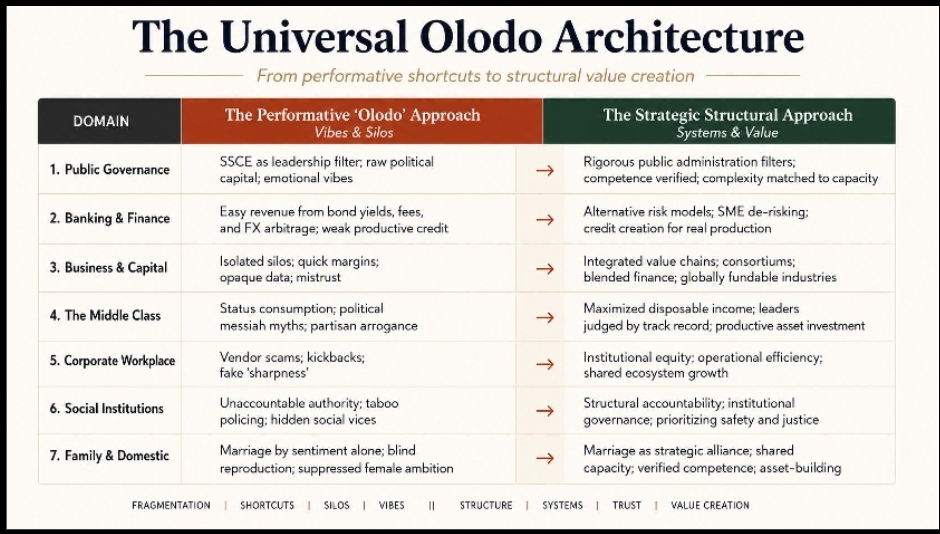
"Olodo," a popular Nigerian expression derived from the Yoruba language, literally refers to a dullard or one who is intellectually deficient. While the term emerged largely as a humorous label in entertainment and social media, it has gradually acquired a deeper political and sociological meaning. Increasingly, it is invoked to describe a culture in which critical thinking is displaced by unquestioning loyalty, evidence yields to propaganda, and mediocrity is elevated above competence.
This trend should concern every democrat. No nation can sustainably prosper where knowledge is routinely dismissed, expertise is treated with suspicion, and informed public discourse gives way to emotional appeals and political theatre. Anti-intellectualism is not merely an academic concern; it is a governance challenge with profound implications for public institutions, economic development, national security, and the rule of law.
A government that consistently undervalues evidence-based decision-making weakens its own capacity to solve complex national problems. When professional advice is subordinated to political expediency, institutions gradually lose credibility, public confidence erodes, and accountability becomes increasingly difficult to enforce. Facts become negotiable, while narratives become instruments of political convenience.