Get the latest news and updates from Dawn
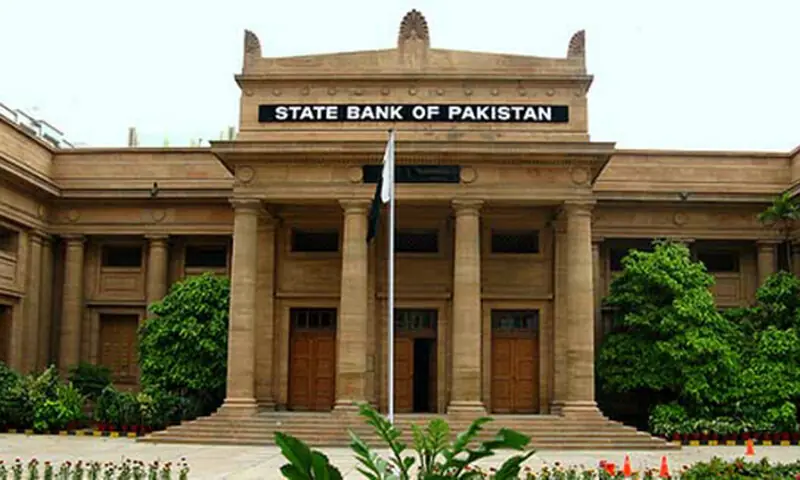
EVERY two months, the State Bank of Pakistan announces an interest rate. The announcement is treated as serious economic medicine. Hiking of the rate is presented as a fight against inflation and cuts as a spur to growth. Either way, the public narrative is the same: adults are managing the fragile economy with a sophisticated tool. What rarely gets mentioned is the trillions of rupees the SBP, quietly and regularly, pumps directly into the banking system with no public scrutiny or debate. On current ledger this funding is a staggering Rs16 trillion, while the press conference talks about need for continued tightening.
SBP raises interest rates to make money more expensive and slow down spending, because excessive spending drives up prices. That is the stated logic. But its actual operations contradict its stated policy as it pumps trillions into the system. More money circulating fuels spending, driving inflation higher.
This glaring contradiction requires understanding what that money is actually for. It is not going into productive investments and factories. It is financing the government’s deficits. Here is how the cycle works. The government spends more than it collects in taxes. To cover the gap, it borrows from banks. The injections exist because the banking system is the government’s primary lender, and it borrows so heavily that banks run dry. SBP then steps in and refills their coffers. The government stays funded. The banks stay liquid. And the illusion of financial stability is maintained.