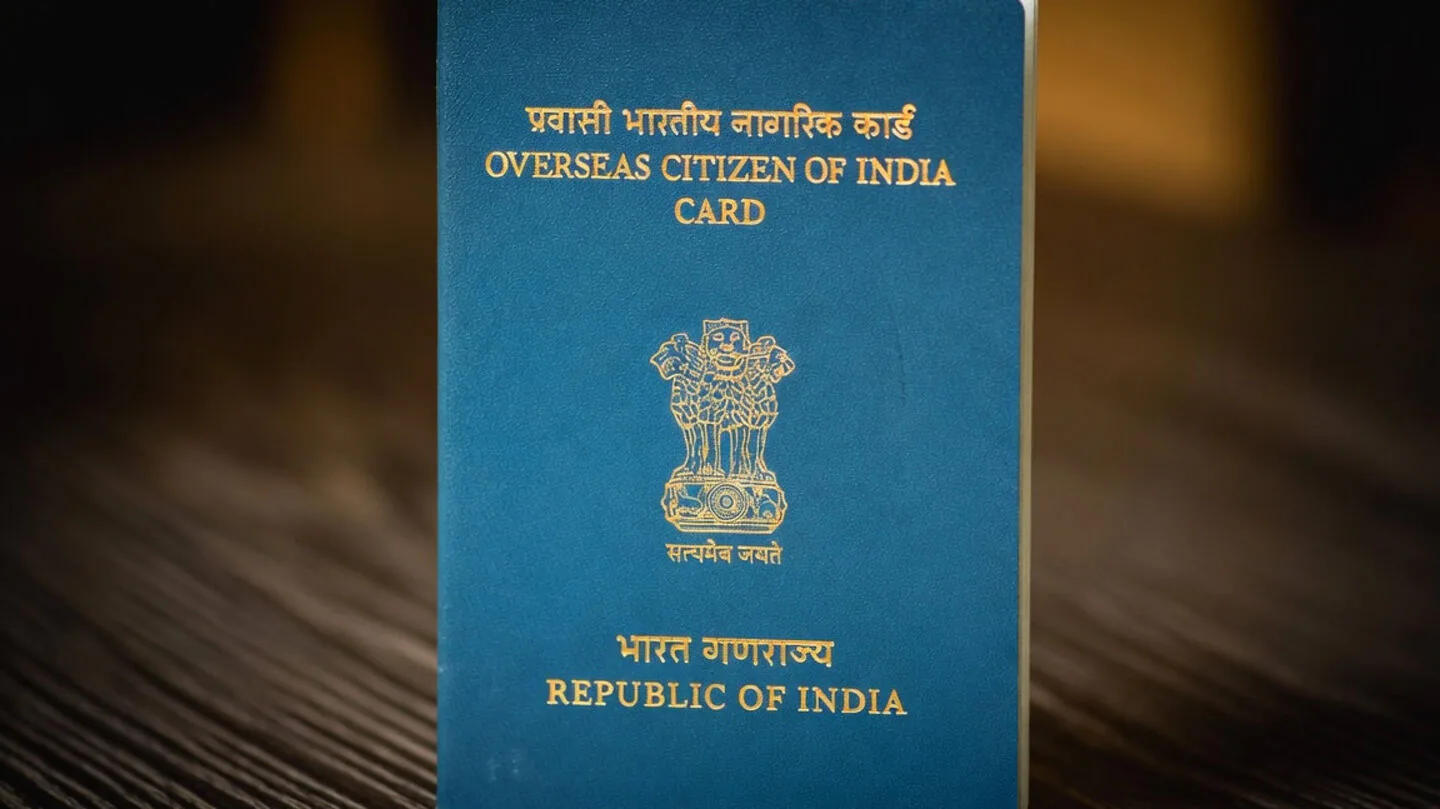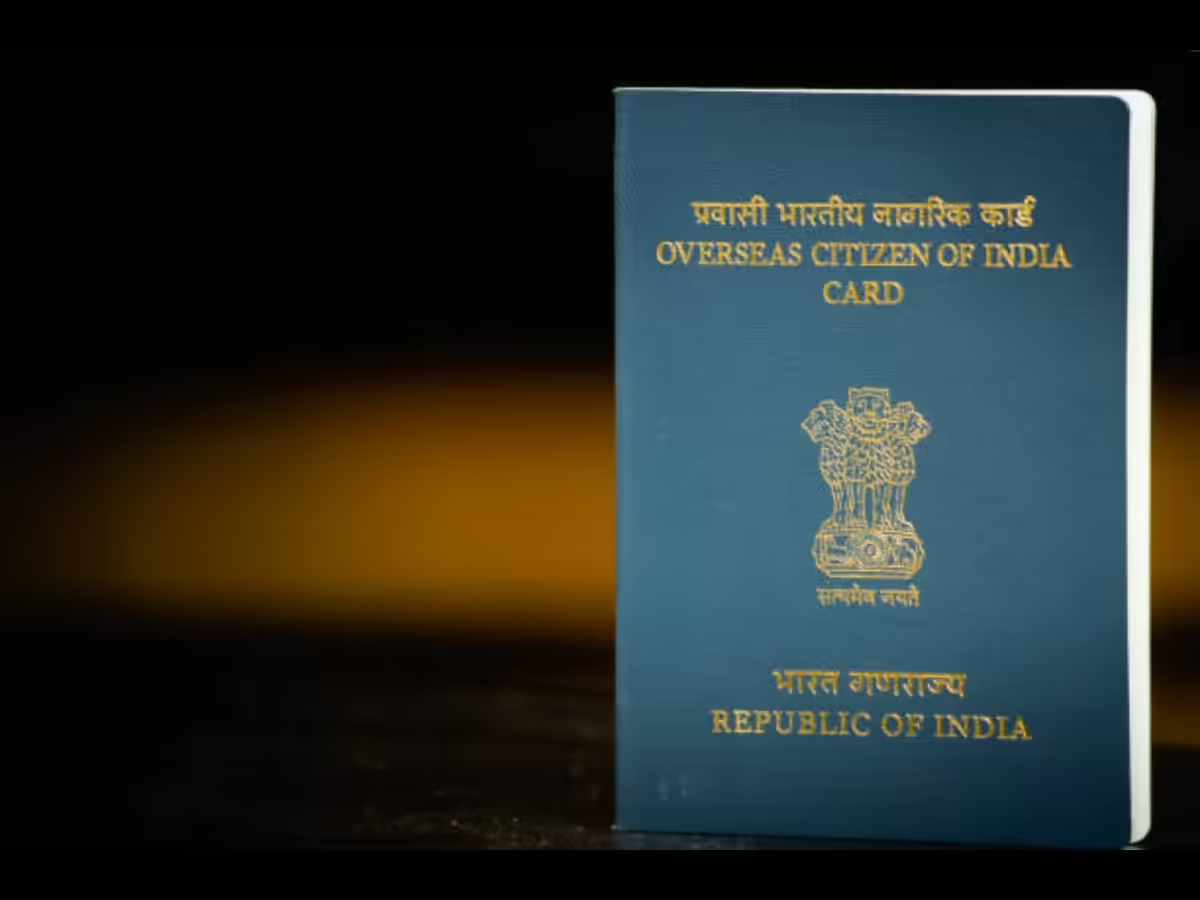
MUMBAI: The Bombay High Court has held that Overseas Citizen of India (OCI) cardholder senior citizens are entitled to invoke the Maintenance and Welfare of Parents and Senior Citizens Act, 2007, to protect their properties in India, while setting aside an order directing a woman to vacate her mother-in-law’s Juhu flat.OCI cardholders can protect their India properties: HCJustice N.J. Jamadar ruled that an OCI cardholder of Indian origin who owns property in the country cannot be denied the remedies available under the Senior Citizens Act merely because she no longer holds Indian citizenship.“A senior citizen who is of Indian origin and has acquired the property while she was a citizen of India cannot be deprived of the swift and inexpensive remedy provided under the Senior Citizens Act, 2007, if there is a violation of her right to property,” said Jamadar.The court was hearing a petition filed by a 48-year-old woman challenging an appellate tribunal’s January 2026 order directing her eviction from the flat owned by her mother-in-law, who resides in New Zealand.The petitioner argued that her mother-in-law, being an OCI cardholder, was not a “senior citizen” under the 2007 Act and therefore could not invoke its provisions.Rejecting the contention, the court noted that OCI cardholders are permitted to own and transfer immovable property in India, except agricultural land, and must therefore have access to legal remedies to safeguard those rights.However, the court held that the tribunal was wrong in ordering the petitioner’s eviction solely because she owned another flat in Ghatkopar.The court further observed that the woman’s claim of residence under the Protection of Women from Domestic Violence Act, 2005, could not be defeated without complying with the safeguards under that law. He said eviction from a shared household would require either equivalent alternative accommodation or rent.“However, such consideration is beyond the remit of inquiry under the Senior Citizens Act, 2007,” the court concluded.The dispute arose after the mother-in-law sought the eviction of her daughter-in-law following a matrimonial dispute after she filed a complaint against her husband and in-laws claiming physical and mental harassment and neglect.
OCI cardholders can protect their India properties: HC
Justice N.J. Jamadar ruled that an OCI cardholder of Indian origin who owns property in the country cannot be denied the remedies available under the Senior Citizens Act merely because she no longer holds Indian citizenship | Mumbai news
346 words~2 min read