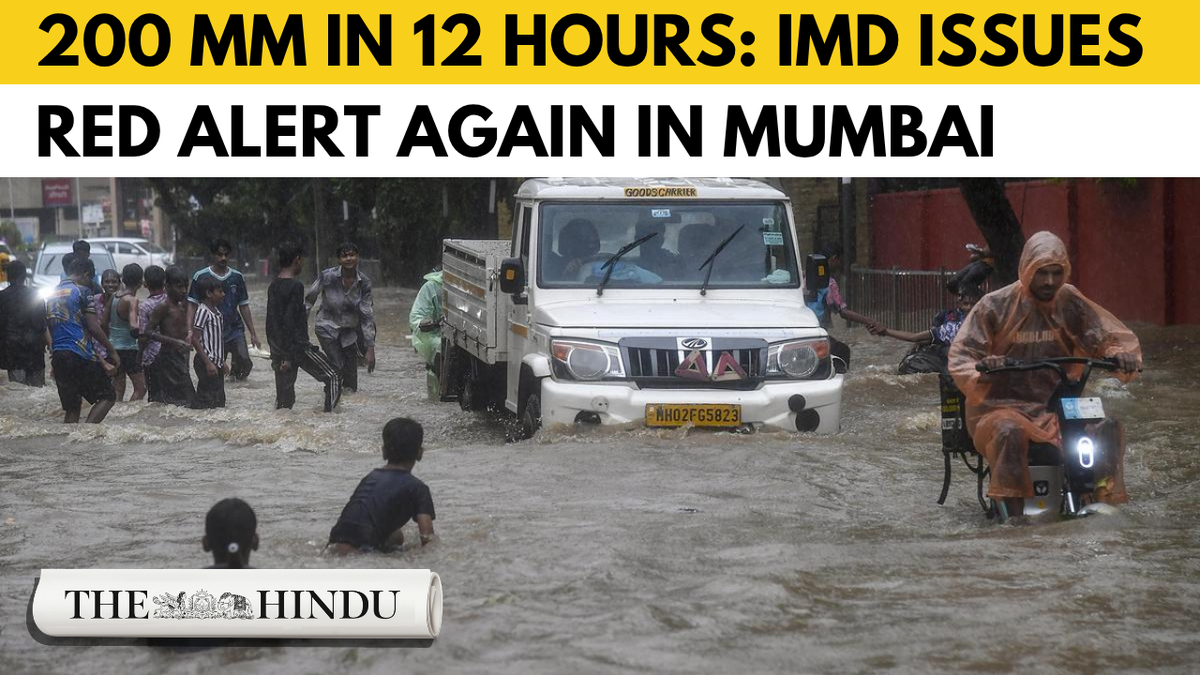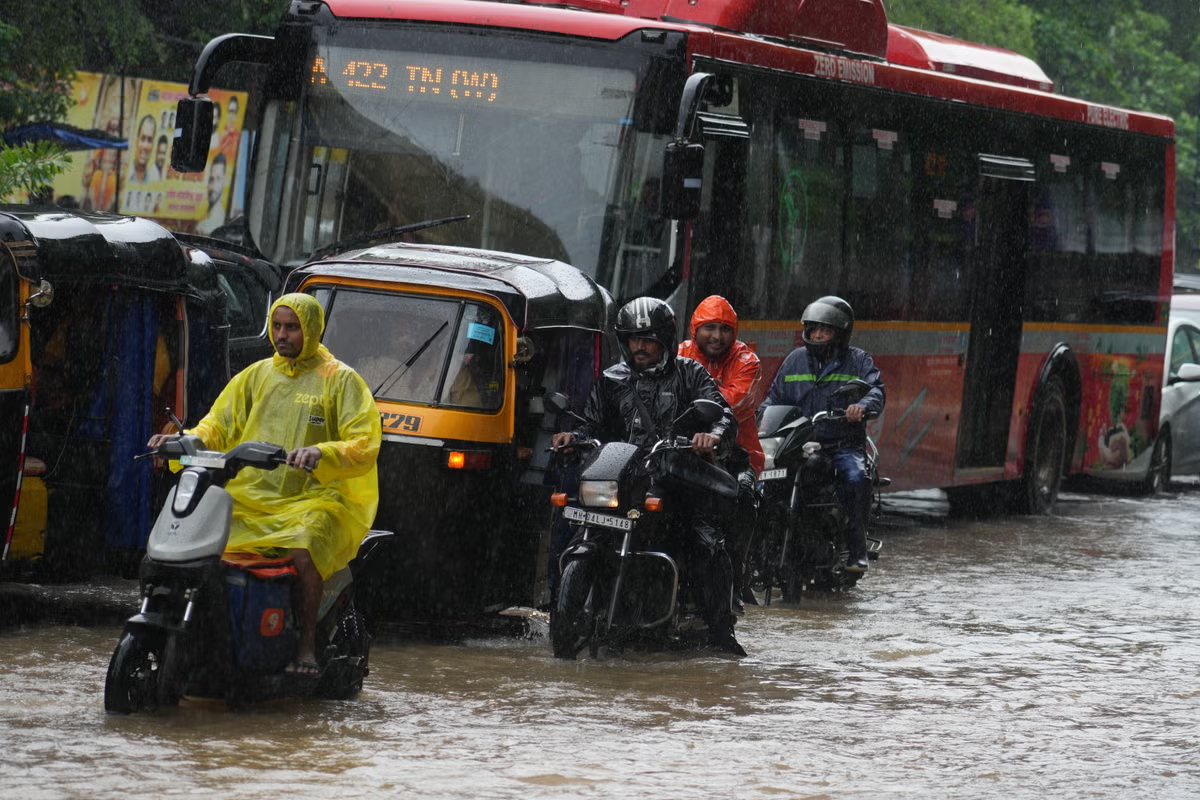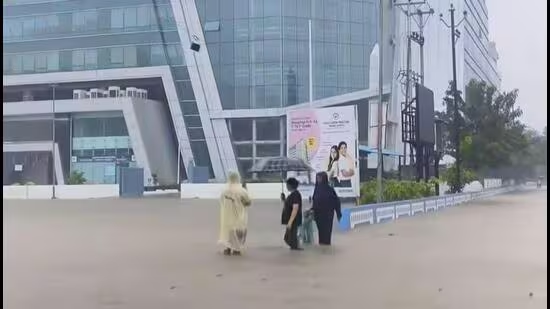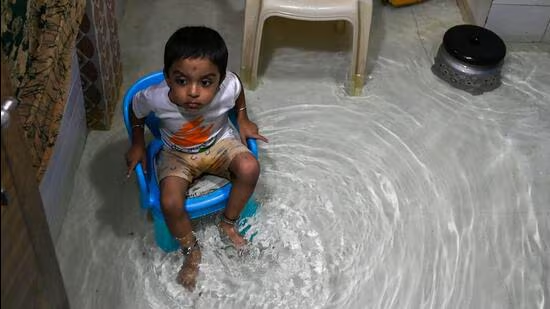
MUMBAI: For the residents of Jivabhai Chawl in Kurla, Saturday’s torrential rain brought their worst nightmare to life once again. As the downpour intensified, families watched helplessly as murky floodwater slowly seeped into their homes, flooding floors, furniture and every dry corner in sight.Mumbai, India. July 04, 2026 - Heavy rainfall caused waterlogging in Ramdas Jivabhai Chawl in Kurla West. The India Meteorological Department (IMD) has issued a Red alert for Mumbai, Thane, and Palghar districts. Mumbai, India. July 04, 2026. (Photo by Raju Shinde/HT Photo) (Raju Shinde)Inside the low-lying chawl, there was little anyone could do except wait and watch the water rise.For 64-year-old Sunil Joshi, who has lived in the chawl since birth, the arrival of the monsoon no longer brings relief from the summer heat- it brings dread. Sitting on his bed, he kept a close eye on the few inches separating the rising water from his mattress.“People wait for the monsoon and enjoy it. We only fear it,” he says. “There is no peace, day or night. We can’t move around, lie down or even use the toilet.”Joshi alleges that this year’s flooding has been made worse by choked sewer lines, with floodwater mixing with overflowing sewage before entering homes. The result, residents say, is a foul stench that lingers through the day.“The toilet lines have reversed the flow. Sewage water is coming back into our homes, and today we don’t even have access to public water because everything outside is submerged,” says his 30-year-old daughter-in-law, Nisha Joshi.Inside their one-room-kitchen home, nearly two feet of water remained throughout the day. The family spent hours huddled together, trying to find the least damp spot while ensuring the elderly had the driest place to sit.“When roads flood, people rush back home. But where do we go when our home itself is flooded?” Nisha asks.Leaving for a relative’s house is rarely an option. As the water rises, residents deliberately keep their doors open, fearing that shutting them could cause the pressure of the floodwater to break them down.“We leave every possible opening for the water. At least then it causes a little less damage,” she says.
As floodwaters creep in, Kurla chawl families watch helplessly as homes turn into sewage-filled traps
For 64-year-old Sunil Joshi, who has lived in the chawl since birth, the arrival of the monsoon no longer brings relief from the summer heat- it brings dread. Sitting on his bed, he kept a close eye on the few inches separating the rising water from his mattress | Mumbai news
357 words~2 min read